
Poultry house alarm system for fan and power failure

Henlytics is a poultry house alarm system that measures the current each fan motor draws and alerts your phone when a fan stops, weakens or loses power. A relay that says a fan is switched on cannot tell you whether the blades are turning; the current in the motor cable can.

  • Clips onto the motor cable, no rewiring
  • 0.2-100 A AC
  • Alerts still go out in a power cut
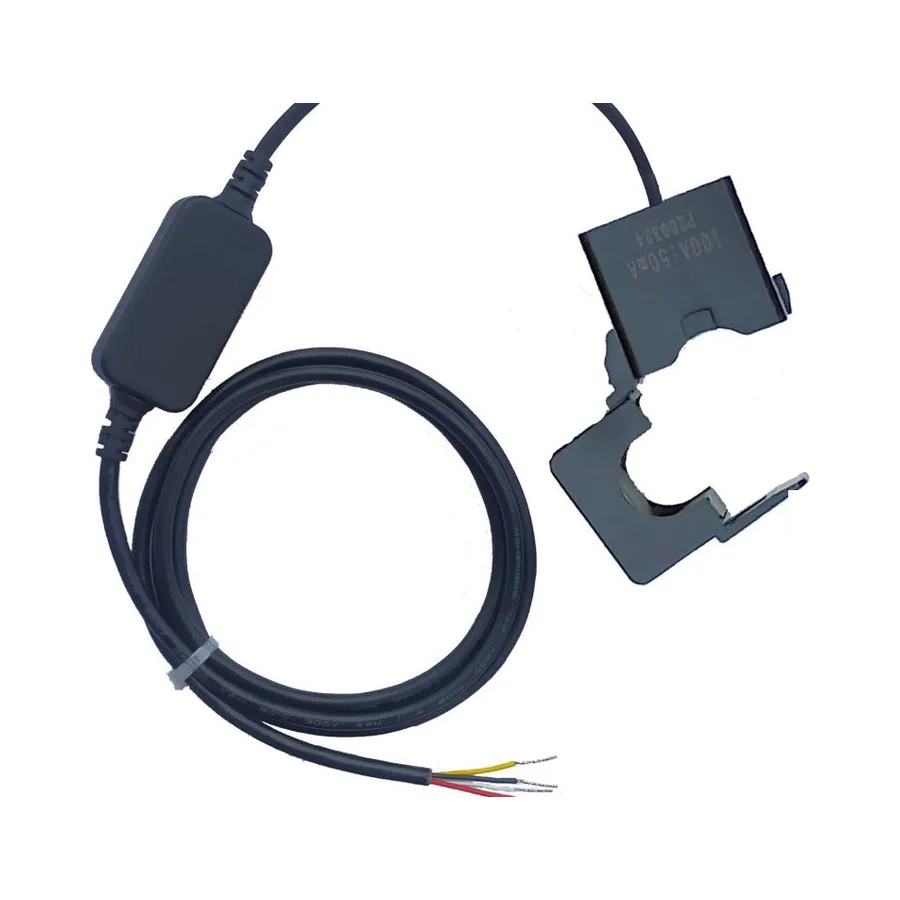
Split-core current sensor that clips around a motor cable

Switched on is not the same as running

In a closed house in hot weather, ventilation is the life support. The failures that matter are the ones the controller does not see.

A seized motor looks exactly like a working one to the controller

The controller sends the command and the contactor closes, so from the panel the fan is on, even when a burnt winding or a tripped motor protector means nothing is turning.

A current sensor on the motor cable reads what the motor draws, so a stopped fan shows as zero within one reading.

A slipping belt costs air long before it breaks

A fan with a worn belt, a dirty shutter or a failing bearing keeps spinning but draws less current than it did the week it was serviced.

Each motor's lower limit is set from that motor's own readings, so a reading below it flags the fan that needs a technician before it stops.

A power cut stops every fan at once, and can take the alarm with it

When mains power fails, an alarm that runs on the same power fails with it.

The Genesis controller runs on its own rechargeable batteries and sends over the cellular network, so the moment every fan in the house drops to zero, the alert still reaches your phone.

Silence is also a signal

If a controller stops reporting altogether, because a cable was cut or a house lost its signal, the app raises a controller-offline alert rather than showing the last reading as if nothing happened.
Three states, one alert

Every fan motor is watched for the same three conditions.

  1. Running normally

    Current sits around the motor's own baseline. Nothing is sent, and the history is kept for every fan.

  2. Stopped

    Current falls to zero. On the fans that must never stop, that alert goes to every phone on the farm and repeats until someone acknowledges it.

  3. Running weak

    Current stays below the limit set for that motor. The alert names the fan to look at on the next round.

The current sensor

One sensor per fan motor, clipped around a single conductor of the motor supply. The fan never has to be switched off to fit it.

CT-100 split-core current sensor

CT-100 split-core current sensor

Opens, clips around a live cable and closes again, then reports the current as a digital value, not a raw analog signal.

Range
AC 0.2-100 A
Resolution
0.01 A
Line frequency
50-60 Hz
Output
RS485 Modbus-RTU
Supply
5-24 V DC, 0.5 W
Operating
-20 to 70 °C
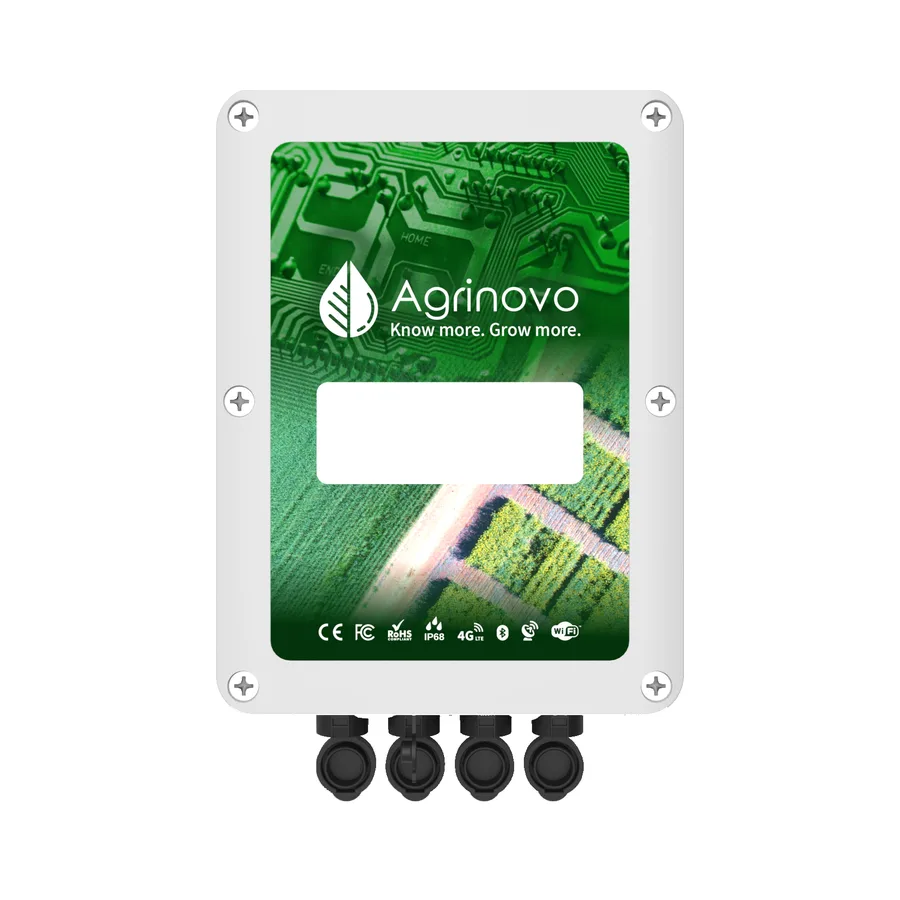
Genesis four-port controller

Genesis controller

Reads the current sensors alongside the air quality sensors in the same house, and keeps reporting from its own batteries when the mains fails.

Power
Dual rechargeable 18650 batteries
Charging
Solar or DC input, 6-32 V DC
Network
4G-LTE cellular, Wi-Fi, Bluetooth
Enclosure
IP65

Questions farmers ask

How does the system know a fan has stopped?

A current sensor clipped around the fan motor cable reads how much current the motor draws. A running motor draws current and a stopped one draws none, whatever the controller has told it to do.

Does fitting the sensor mean rewiring the fans?

No. The CT-100 has a split core that opens and clips around one conductor of the existing motor cable. Nothing is cut or disconnected. It must go around a single conductor, not the whole cable, or the reading cancels out.

Will I still get an alert if the power goes out?

Yes. The Genesis controller has its own rechargeable batteries and sends over the cellular network, so a mains failure shows as every fan dropping to zero and the alert is still delivered.

Does this replace the alarm on my climate controller?

It runs beside it. Your controller keeps its own alarms; Henlytics adds an independent check on the fans themselves, on separate power and a separate network, which is what makes it useful when the controller or its power is the thing that failed.

Can I monitor other motors the same way?

Yes. Feed line motors, cooling pad pumps and heaters with electric fans can take the same sensor, up to 100 A.

Hear about the stopped fan before the birds do

Tell us how many fans each house runs and what motors they have. We will come back with the sensors and a quote.