CO2 during brooding: warmth without stale air
Brooding closes the house to hold heat, and gas heaters add CO2 to it. How to keep chicks warm without letting CO2 build up, and what to measure.
Air quality 4 min read
Henlytics is a poultry house monitoring system that measures ammonia, CO2, temperature, humidity, feed silo level and fan current in every house, and alerts your phone the moment something goes wrong.
It works alongside the climate controller you already have.
A good controller runs the house. It does not always tell you, at two in the morning, that the house is not doing what it was told.
Cold nights and closed houses are when NH3 and CO2 climb, and when nobody is taking readings.
A current sensor on each fan motor shows whether it is actually running, not just switched on.
A radar sensor on the silo roof shows the feed level from your phone, with an alert before the lines run dry.
Live readings, history per house and alerts that repeat until someone on the farm acknowledges them.
Henlytics does not switch fans or heaters. It measures the house with its own sensors and reports independently, so a fault in the equipment, or in the controller itself, still reaches your phone.
No rewiring of the controller, no change to how the house is run. Sensors and one controller per house, on the cellular network.
Short cycles, dense houses and a brooding week where the margin for error is smallest.
Long flocks in the same house, where a slow change in air quality or water shows up as eggs lost weeks later.
Valuable birds and a hatchery climate where a few degrees for a few hours is a batch.
Every sensor is a standard industrial instrument, and any of them connects to the same controller port. Add a sensor to a house later without changing anything else.
How the system is installed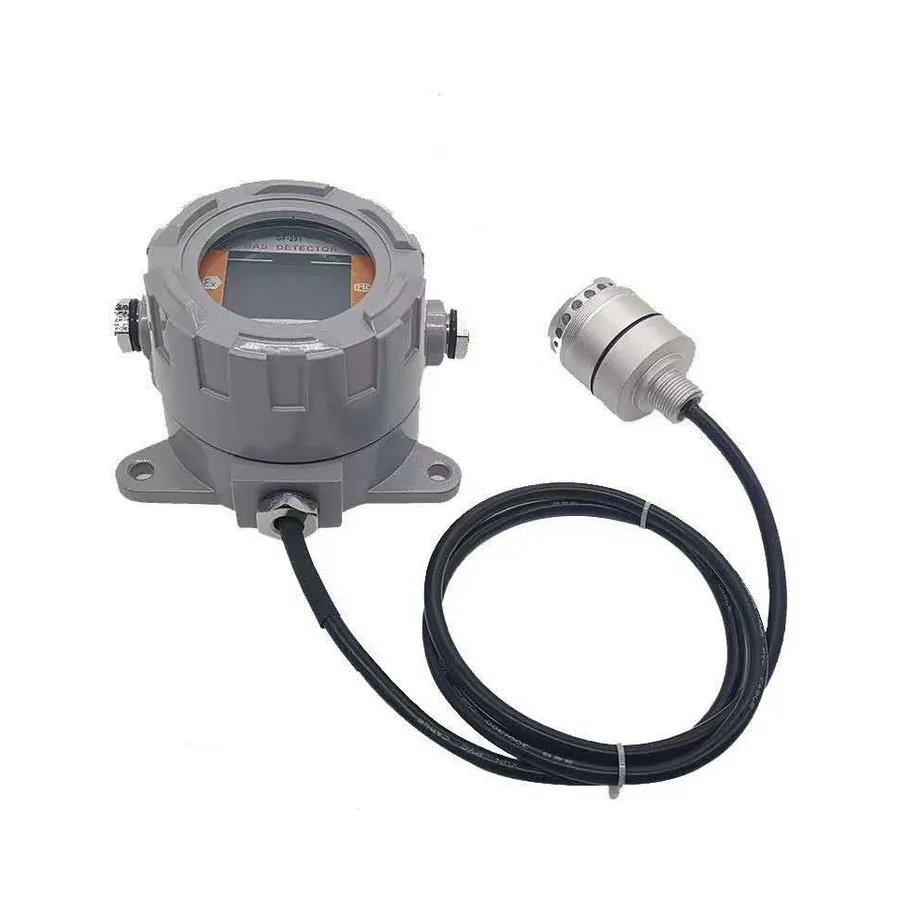
Ammonia detector
NH3 at bird height
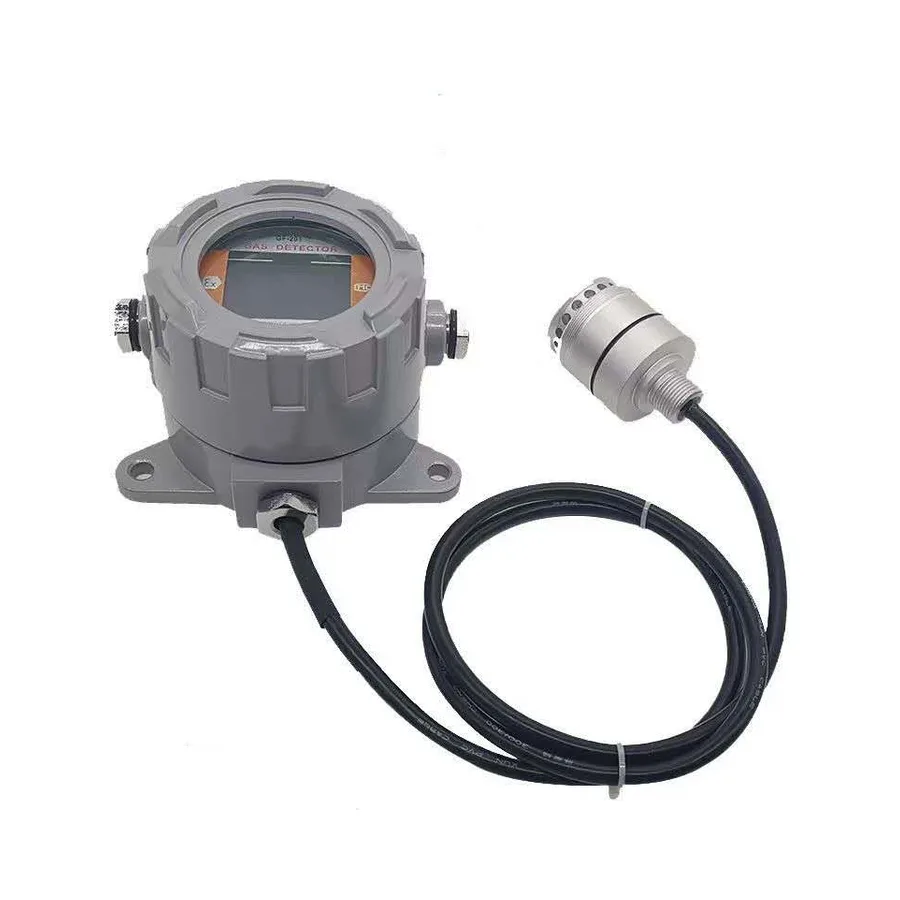
CO2 detector
Ventilation and brooding
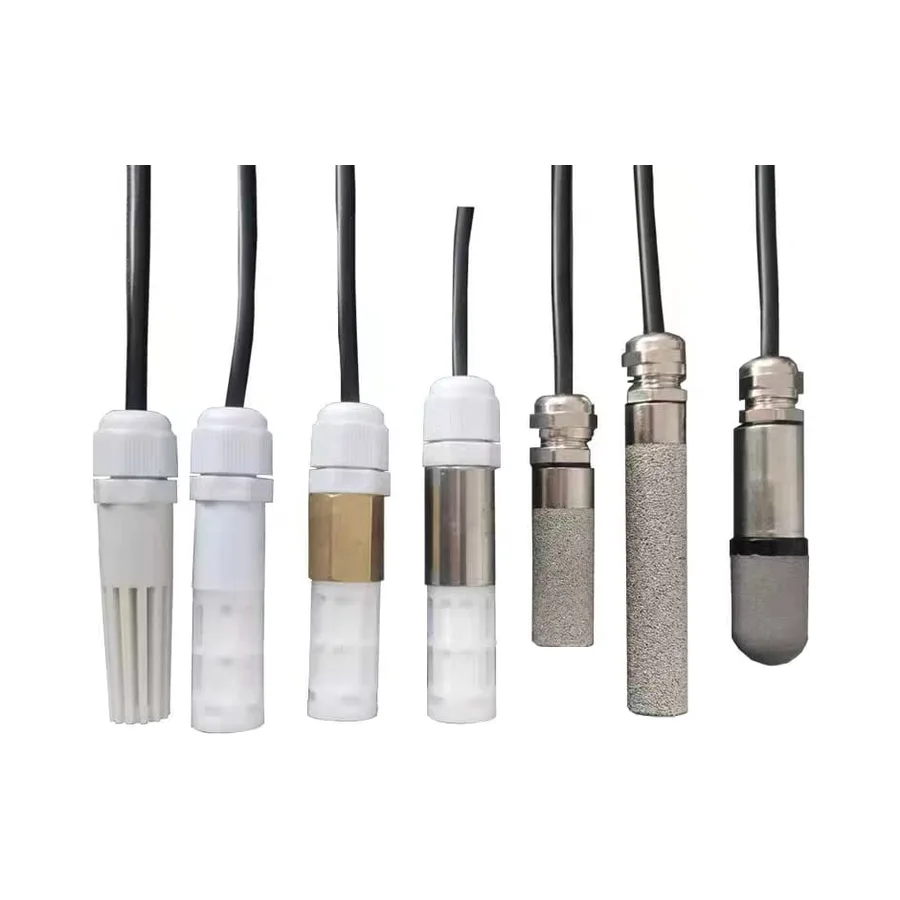
Climate probe
Temperature and humidity
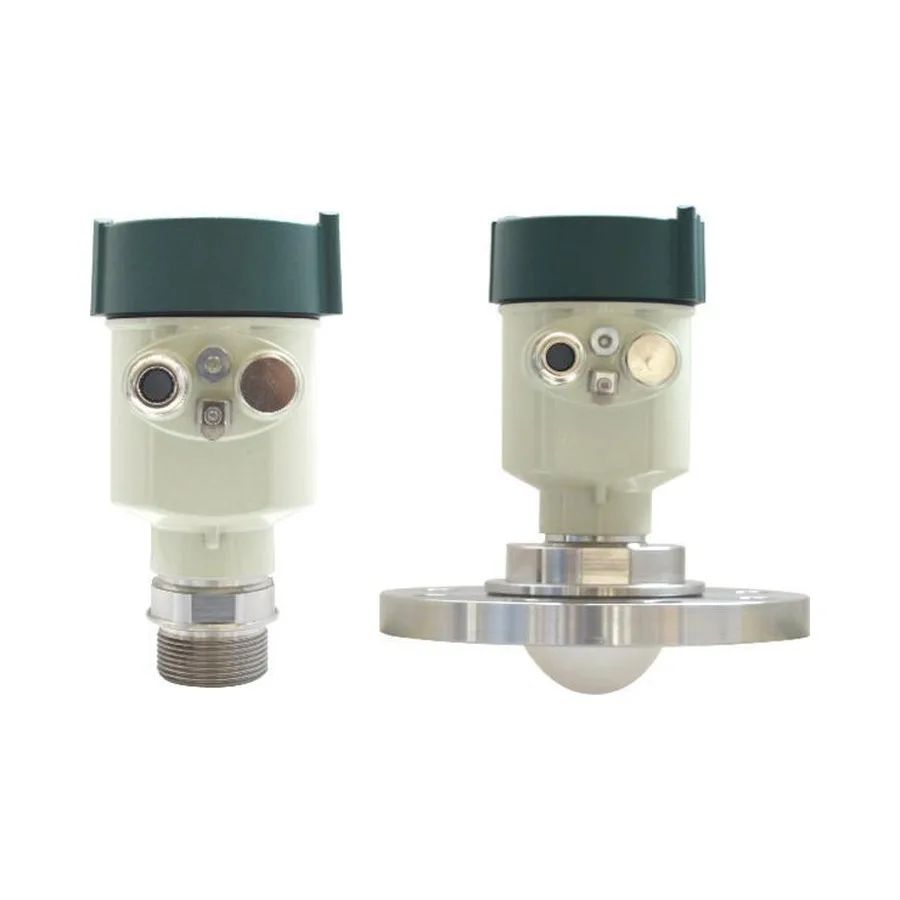
Radar level sensor
Feed left in each silo
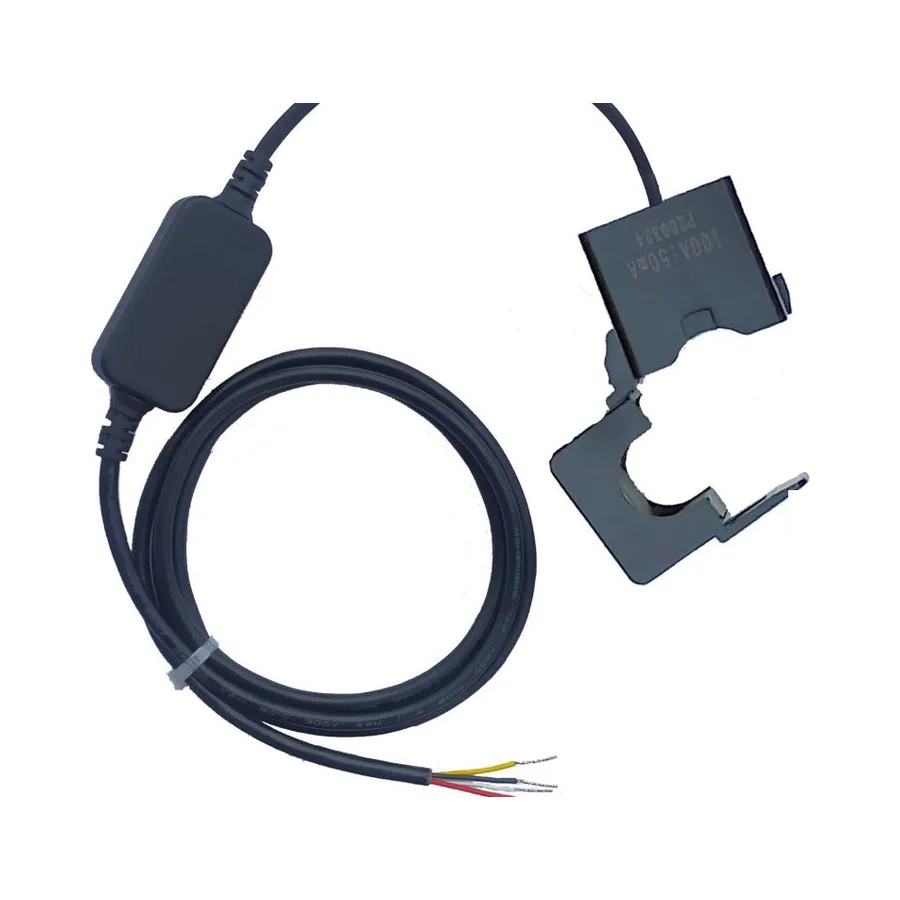
Current sensor
Is each fan running
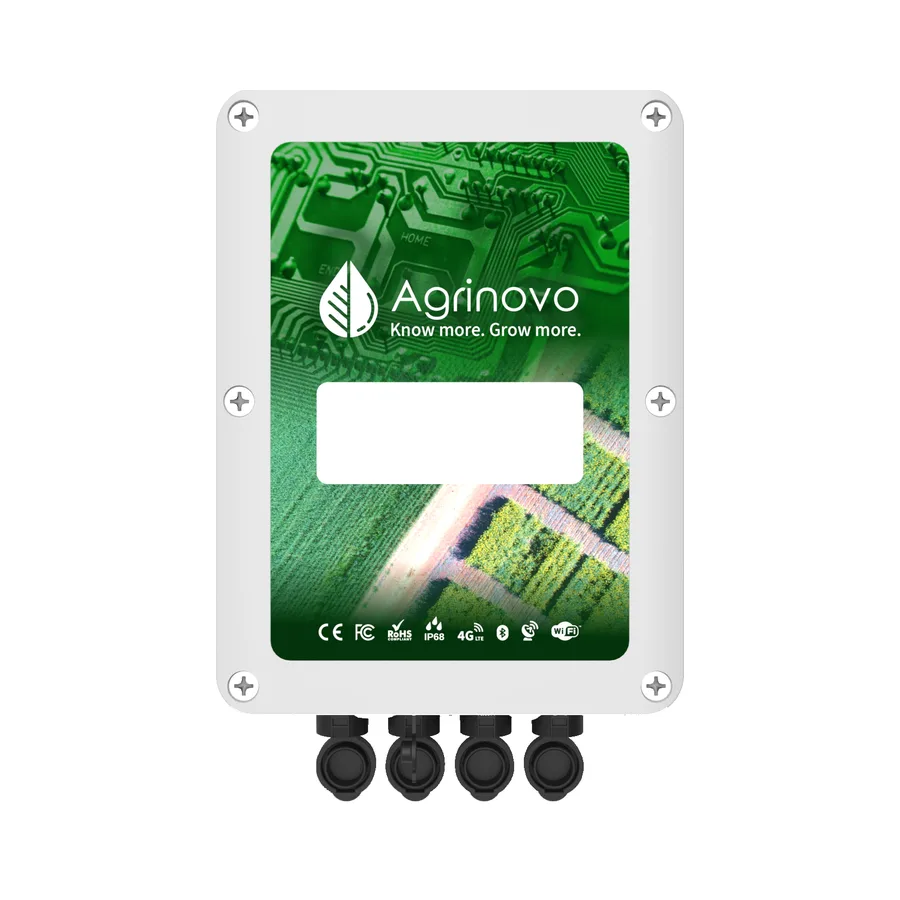
Genesis controller
Reads them all, sends by cellular
Brooding closes the house to hold heat, and gas heaters add CO2 to it. How to keep chicks warm without letting CO2 build up, and what to measure.
Air quality 4 min read
Broilers often drink less before they look sick or eat less. How to track water per house, what a drop can mean, and why to compare against the same flock.
Water and feed 5 min read
Why silos run out even on well-run farms, why bridging makes the level hard to judge, and how a radar sensor on the silo roof shows what is left.
Water and feed 5 min read
A set of sensors in each house that measure the conditions the birds live in, such as ammonia, CO2, temperature and humidity, plus equipment checks like fan current and feed silo level, all reporting to one screen and alerting a phone when something goes out of range. Henlytics is one such system, designed to run alongside the existing climate controller.
Yes. Henlytics does not replace or connect into your climate controller. It uses its own sensors and its own controller in each house, so it works the same way whatever brand is on the wall.
Each house has a Genesis controller that sends readings over the cellular network. No Wi-Fi or cabling back to an office is needed, and the controller keeps readings if the signal drops and sends them when it returns.
Everyone you add to the farm account, on the mobile app. An alert repeats until someone acknowledges it, and a second notice goes out when the reading returns to normal.
Yes. Many farms start with one house or one problem, often ammonia or fan failure, and add sensors and houses later. Every house appears on the same dashboard.
Each farm is quoted on the houses and sensors it needs. Send the number of houses and what you want to watch, by the form or on WhatsApp, and you will get a quote.
Tell us how many houses you run, what kind of birds, and what keeps you up at night. We will come back with a setup and a quote.