Ammonia peaks when nobody is in the house
Minimum ventilation at night and in cold weather is exactly when ammonia builds up, and it is also when nobody takes a reading.
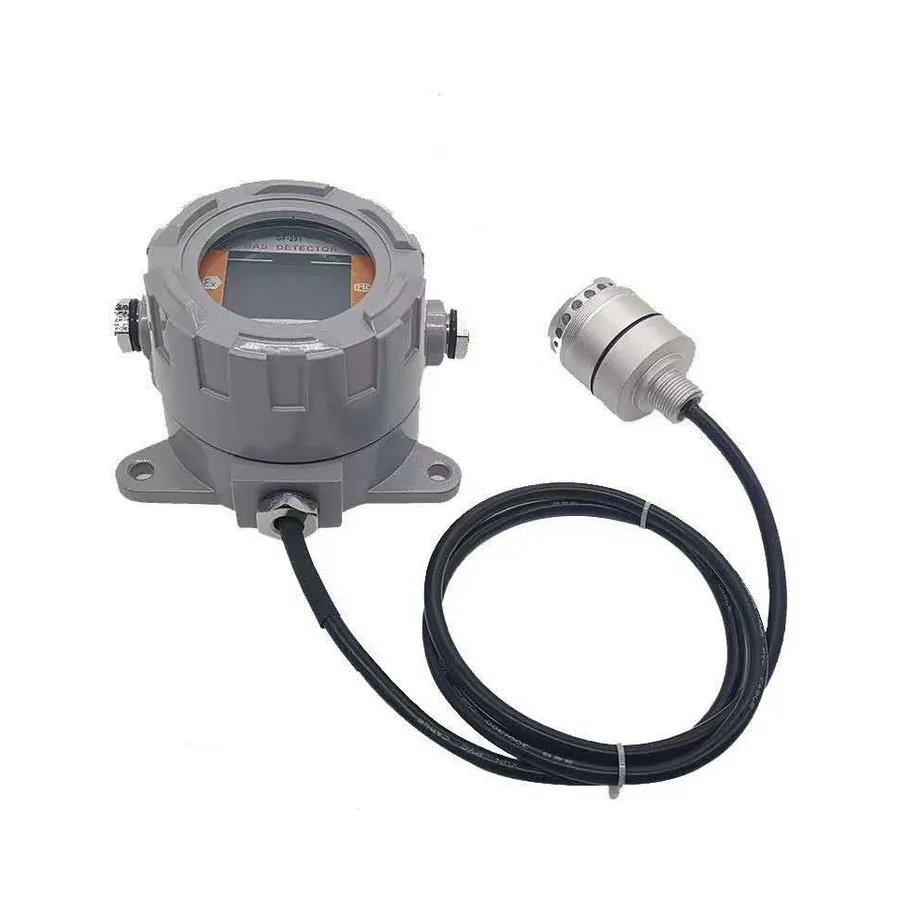
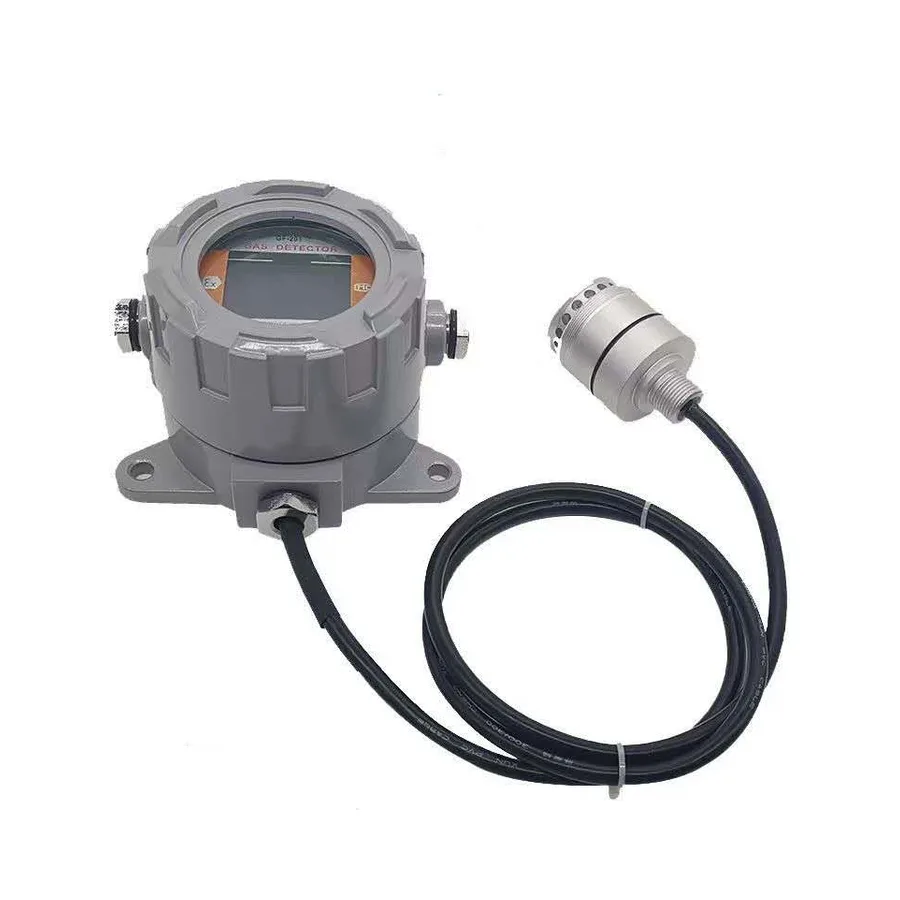
A fixed detector logs the whole night, so the morning report shows how long the house sat above your limit, not just where it ended up.
Your nose stops being a reliable instrument within minutes
People adapt to ammonia quickly, so a house that smelled strong on entry smells acceptable a few minutes later.
A number on a screen does not adapt. It also settles arguments between the day shift and the night shift about what the house was like.
Welfare rules are written in ppm at bird height
EU Council Directive 2007/43/EC, for example, requires ammonia below 20 ppm and CO2 below 3000 ppm measured at the level of the chickens' heads for higher stocking densities.
Whatever standard your integrator or buyer applies, meeting it means measuring where the birds are and keeping the record.
CO2 tells you ventilation is too low before the birds show it
CO2 rises with every bird breathing and every gas heater burning, so it is the most direct measure of whether minimum ventilation is enough.
During brooding, when houses are kept closed and heated, it is the reading that tells you when to trade a little heat for fresh air.
Temperature and humidity explain the ammonia
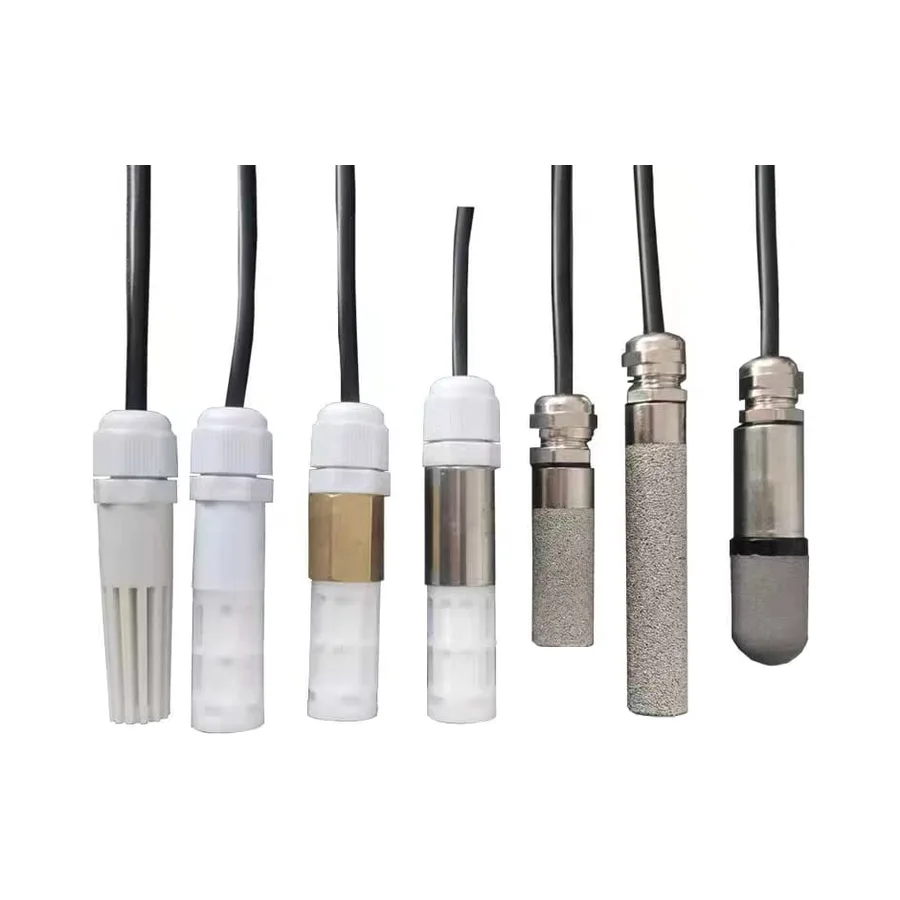
Wet litter releases more ammonia, and litter gets wet when humidity stays high, so the four readings belong on one chart.
Seeing humidity climb for two days before ammonia follows is what turns an alarm into something you can prevent next time.