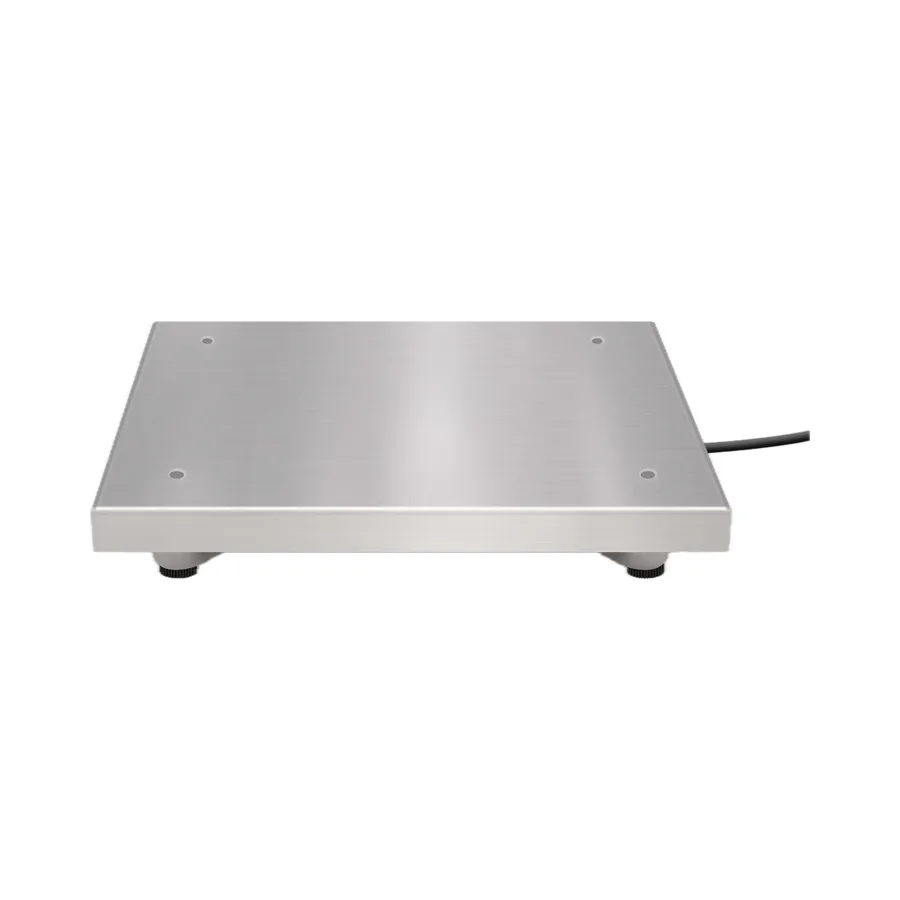
BWS-300
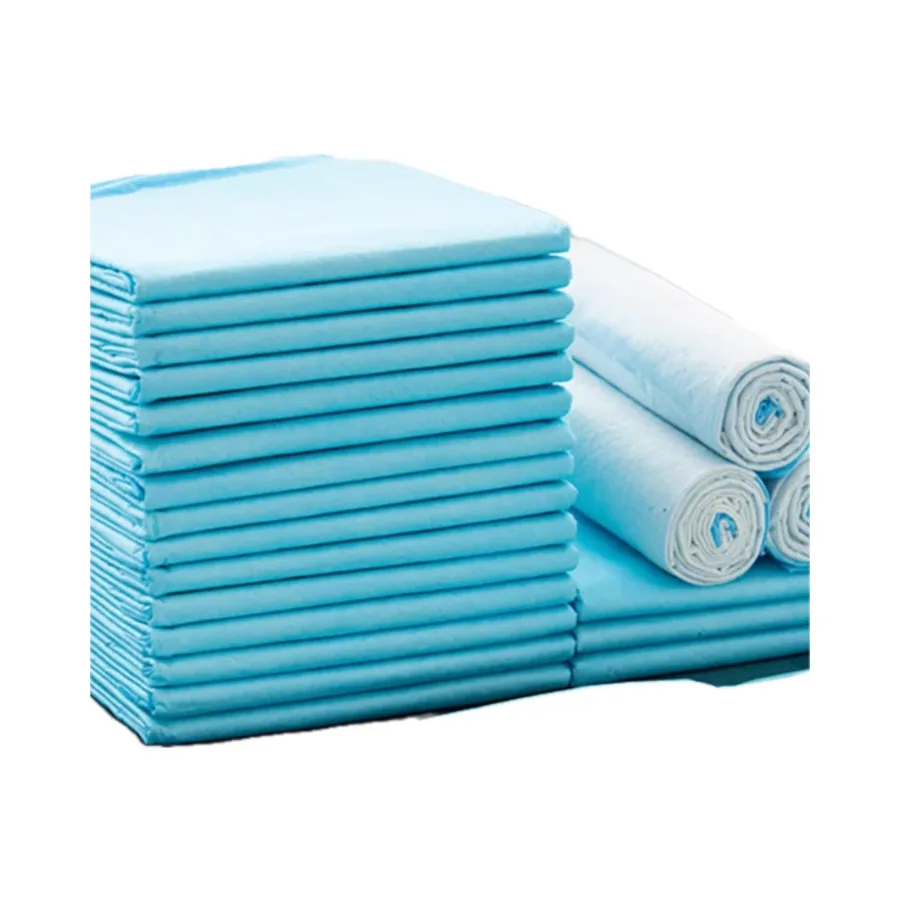
SKU: PAD-100
Disposable absorbent pads that cover the platform of the BWS-300 bird scale.
The PAD-100 is a disposable absorbent pad that covers the weighing platform of the BWS-300 bird scale. Each pad measures 33 × 45 cm and has a non-woven top layer. A pack holds 100 pads.
The platform of the scale is a stainless steel plate of 300 × 400 mm, so one pad covers it completely, with a small margin on every side. The pad lies on the plate with the non-woven side up, and the birds stand on the pad while they are weighed.
An automatic bird scale spends the whole flock in the litter area, and birds step on and off it from morning to night. Droppings land on the plate, wet litter is carried onto it on the feet of the birds, and in a humid house the layer never dries. Within days a bare plate carries a crust.
The crust matters to the weighing. A scale measures everything that rests on the platform, and it tells a bird from the empty plate by the zero it was given. Material that builds up after zeroing adds its own weight to the plate, and when a lump breaks off the zero moves the other way. The scale then needs zeroing again, and somebody has to scrape and wash the plate in the house first.
A dirty plate also changes how the birds use the scale. Birds step readily onto a dry, level surface and stay long enough to give a steady weight. They avoid a wet and slippery one, and a scale that fewer birds visit gives a daily average built on fewer weights.
The pad takes the place of the plate as the surface that gets dirty. Droppings and moisture stay on the pad, the absorbent layer holds the wet, and the steel underneath stays clean and dry.
Any worker can change the pad on the daily round, and it needs no tools.
Zeroing is the step that keeps the weights right. The pad has a weight of its own, and a scale that was zeroed without it would add that weight to every bird. Zeroing with the new pad in place leaves the pad out of the readings from the first bird on.
Change the pad when it is dirty or wet. How often that happens depends on the age of the birds and the state of the litter, so the pad is best checked on the daily walk through the house, in the same glance that checks the feeders and drinkers.
In the first week the chicks are light and their droppings are small, and a pad stays serviceable for longer. As the flock grows, each bird leaves more on the platform and the pad loads faster. Wet litter around the scale, from a leaking drinker line or a humid spell, shortens the interval again.
A pad that has soaked through has done its work and should come off. Left in place, a saturated pad is heavier than it was when the scale was zeroed, which is the same fault as a crusted plate. Changing it on time and zeroing after the change keeps the daily weights of the flock on one unbroken line from placement to catching.
The days before thinning and catching deserve extra attention. Those are the weights the grower passes to the integrator and plans the catching crew around, so it is worth starting that week with a fresh pad and a fresh zero.
Breeders stay in the house for many months, in rearing and then in production, and feed is allocated from body weight against the breed target week by week. The scale in the pen therefore works far longer between clean-outs than a scale in a broiler house, and a small error in its zero carries into feeding decisions.
Adult breeders are heavy birds, and the males in particular leave a lot on the platform. A pad changed on a fixed routine, for example on the day of the weekly hand weighing, keeps the plate in the same condition all through the flock. The hand weighing and the pad change then fall on the same visit, and the scale can be zeroed and checked with a known weight while the stockman is already in the pen.
Where males and females are penned apart and each pen has its own scale, each scale gets its own pad and its own zero.
A used pad is poultry manure in a wrapper. Fold it inward, take it out with the other waste from the house, and dispose of it the way the farm handles soiled litter. Do not carry a used pad from one house into another.
At the end of the flock the last pad comes off before the scale is taken down for washing. A plate that was covered through the flock has far less dried material to soak and scrape, and the stainless steel platform is cleaned and disinfected with the rest of the equipment. Lay a fresh pad and zero the scale when it is hung back, before the chicks arrive, so that the first weights of the new flock are taken on a clean surface.
The PAD-100 is sold in packs of 100. The number a house uses depends on the length of the flock, the bird type and the litter, so the practical way to plan is to count the pads used in one flock and order from that.
A broiler house uses the most pads in the final weeks, and a breeder house uses them at a steady pace through a long flock. Farms with a scale in every house, or two scales in houses with separate male and female pens, should count one supply per scale. Keep the pack in a dry store, since a pad that has taken up moisture in storage has less capacity left on the scale.
The pads are made for the 300 × 400 mm platform of the BWS-300. Tell us how many scales you run and the type of bird, and we will suggest a quantity for the first flock.
Lay one pad over the stainless steel platform of the BWS-300, non-woven side up, so that it covers the plate. Then zero the scale with the pad in place.
The BWS-300 bird scale. A 33 × 45 cm pad covers its 300 × 400 mm platform.
A pack holds 100 pads. Each pad is used once and then replaced.
Yes. Zero it with the new pad on the platform, so the weight of the pad is left out of the readings.
BWS-300
Send the number of houses, the birds and what you want to watch. You get a proposed set of sensors per house and a quote, with the datasheets.