A warm egg store keeps incubating where nobody sees it
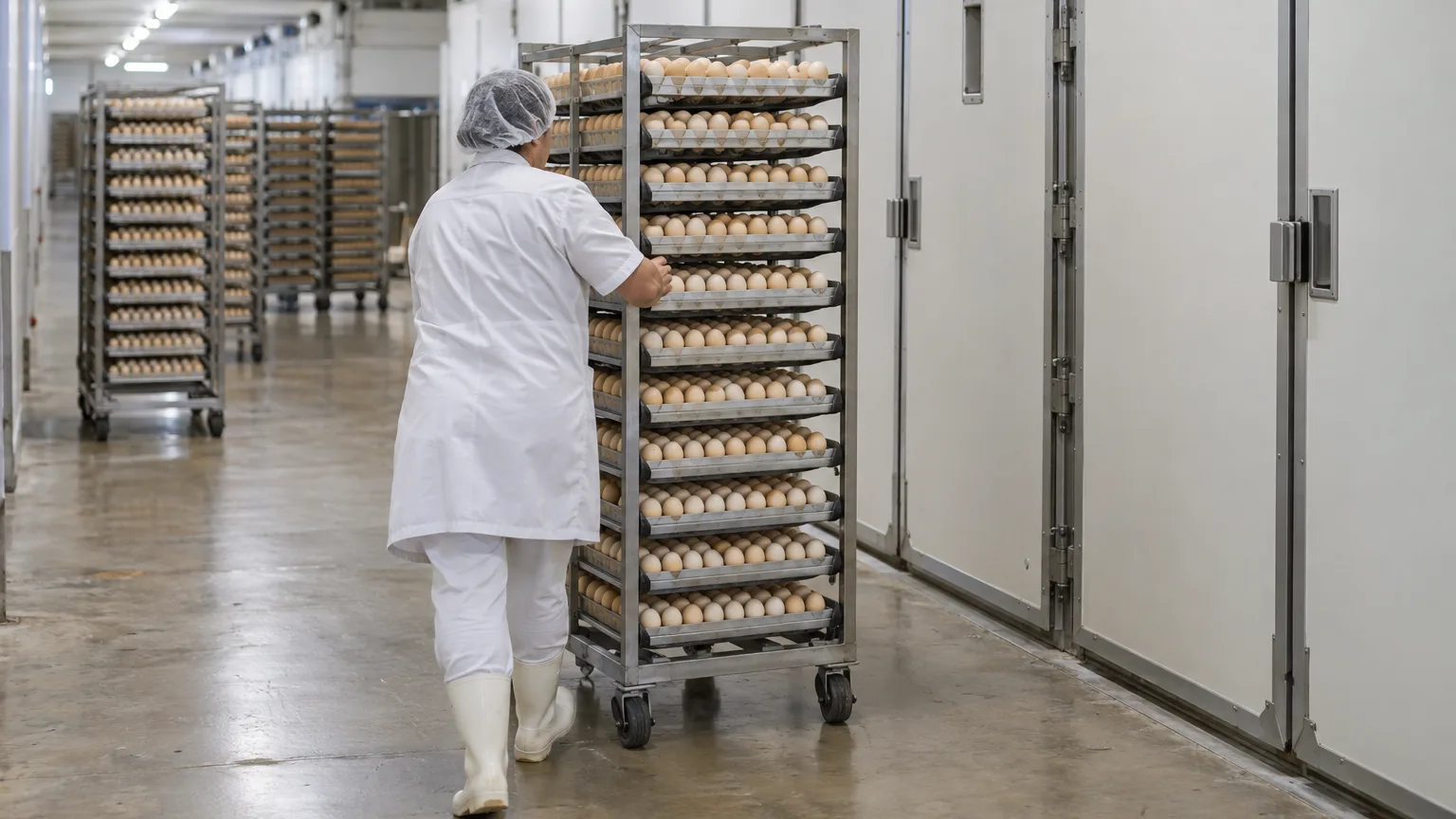
Above storage temperature the embryo keeps developing inside the stored egg, and the eggs that wait longest lose the most.
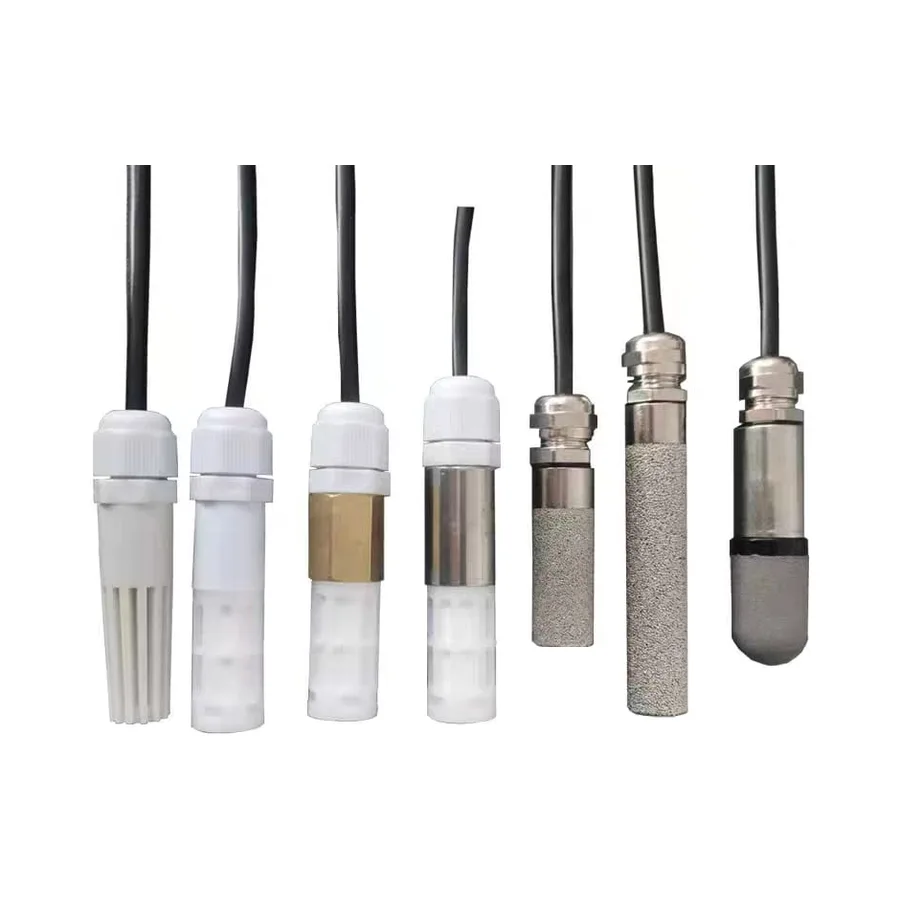
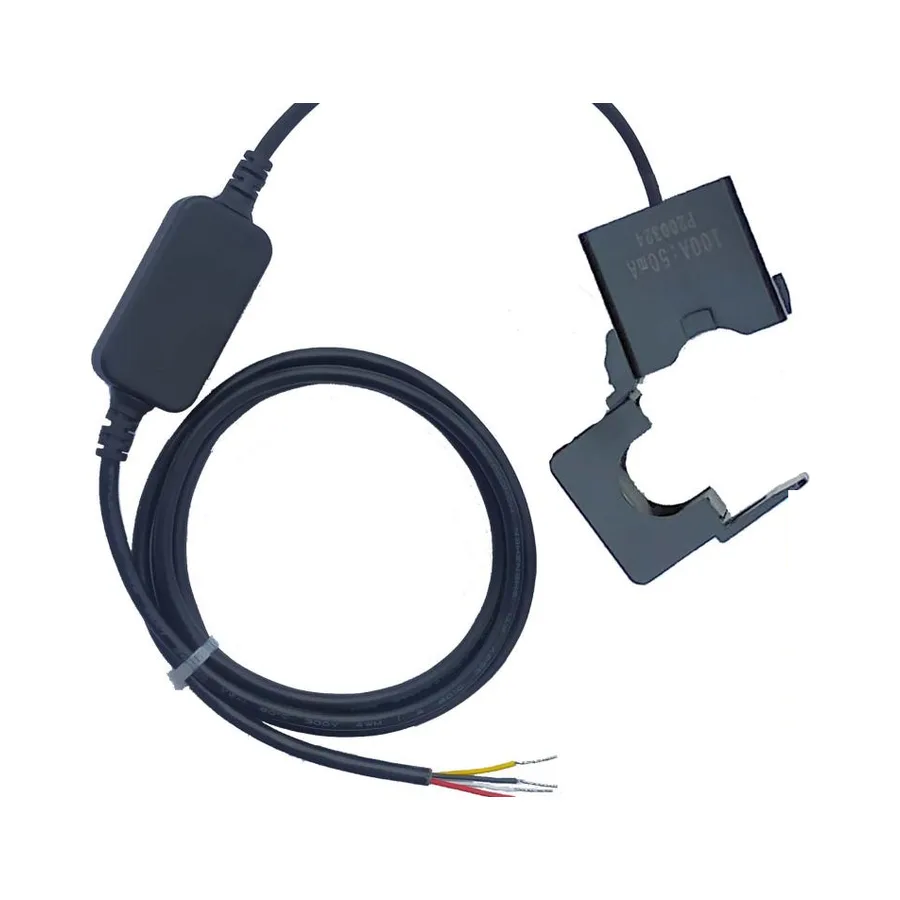
A probe among the egg trolleys keeps the store's temperature and humidity on record, and a current sensor on the cooling unit shows whether its compressor is running.
Every setter breathes the air of its room
Setters and hatchers draw their fresh air from the room or the plenum that feeds them, so a room that runs hot, humid or stale makes every machine in it work harder.
Probes at the machines' air intakes give each room its own record, apart from the controls of each machine.
Room CO2 shows whether the ventilation is keeping up
Embryos and chicks produce CO2 all the time, and a room that gets less air than it needs shows it in the CO2 reading before anyone notices.
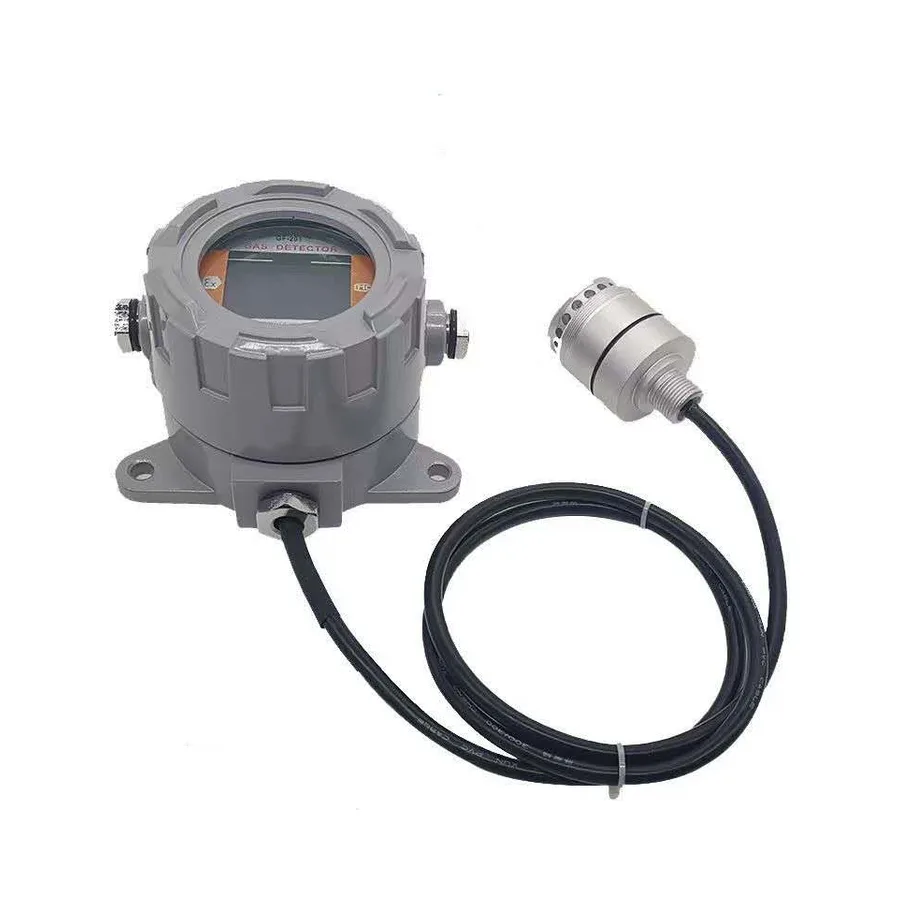
A CO2 detector on the wall shows the level on its own display and sends it to your phone, against the limit you set for each room.
A few warm hours in the chick room are paid for on the farm
A newly hatched chick still controls its body temperature poorly, so a holding room that runs warm or stale between take-off and dispatch costs chick quality.
Temperature, humidity and CO2 for every hatch day stay on record and show what the chicks went through before the truck left.
A stopped fan or a power cut puts a whole hatch at risk
Supply and exhaust fans carry fresh air to the machines, and when the mains fails they all stop at once.
A current sensor on each fan motor reports when it stops turning, and the controller keeps sending from its own batteries through the power cut.