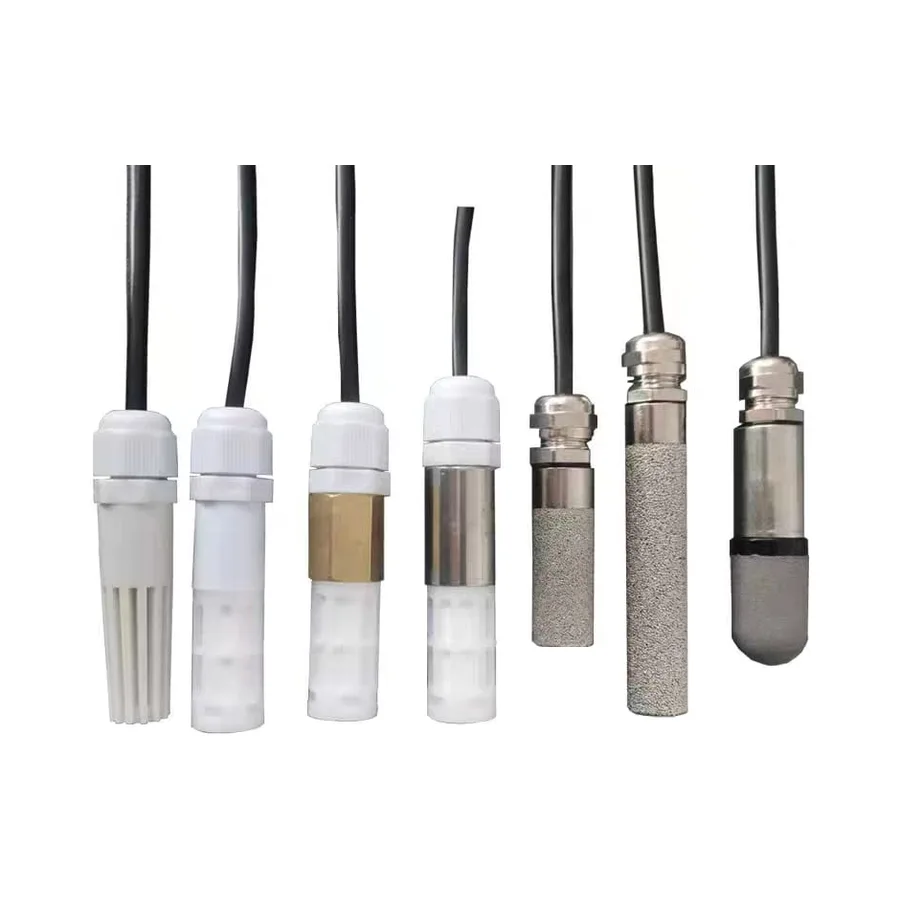
THS-100
The air and climate sensors for a poultry house measure temperature and humidity, ammonia, CO2, combustible gas, hydrogen sulfide and volatile organic compounds. Which of them a house needs depends on the birds, the heating and how the manure is handled.
15 products
THS-100
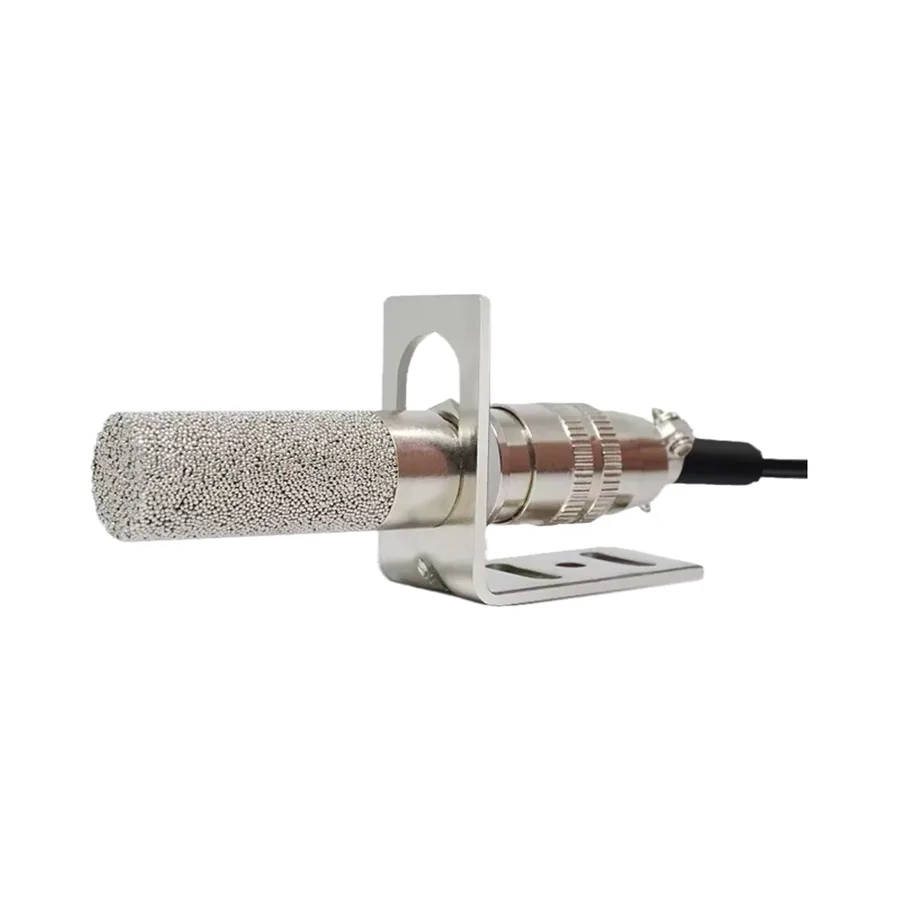
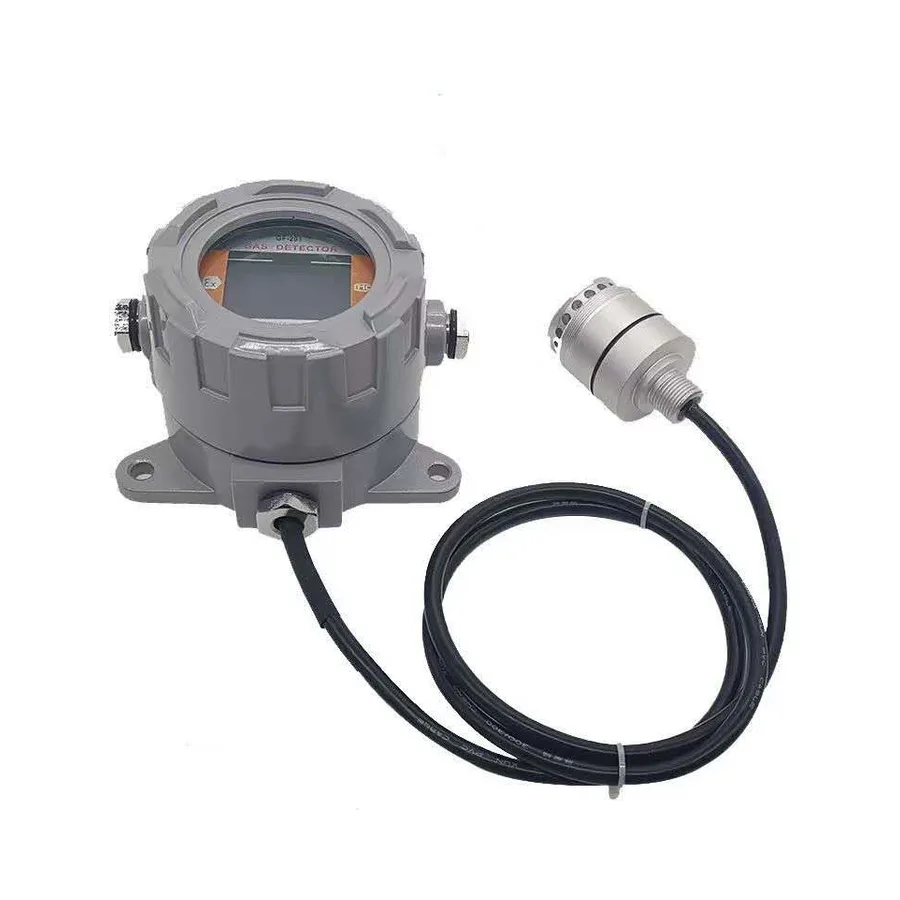
GF-201-NH3
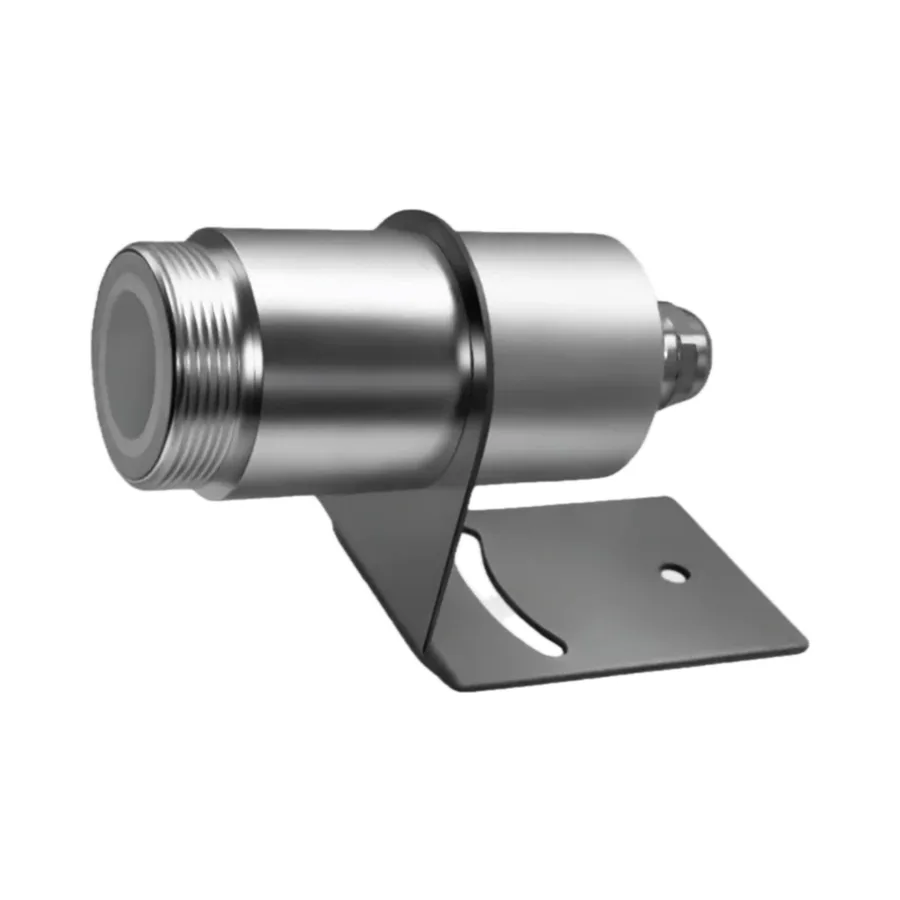
NH3-210
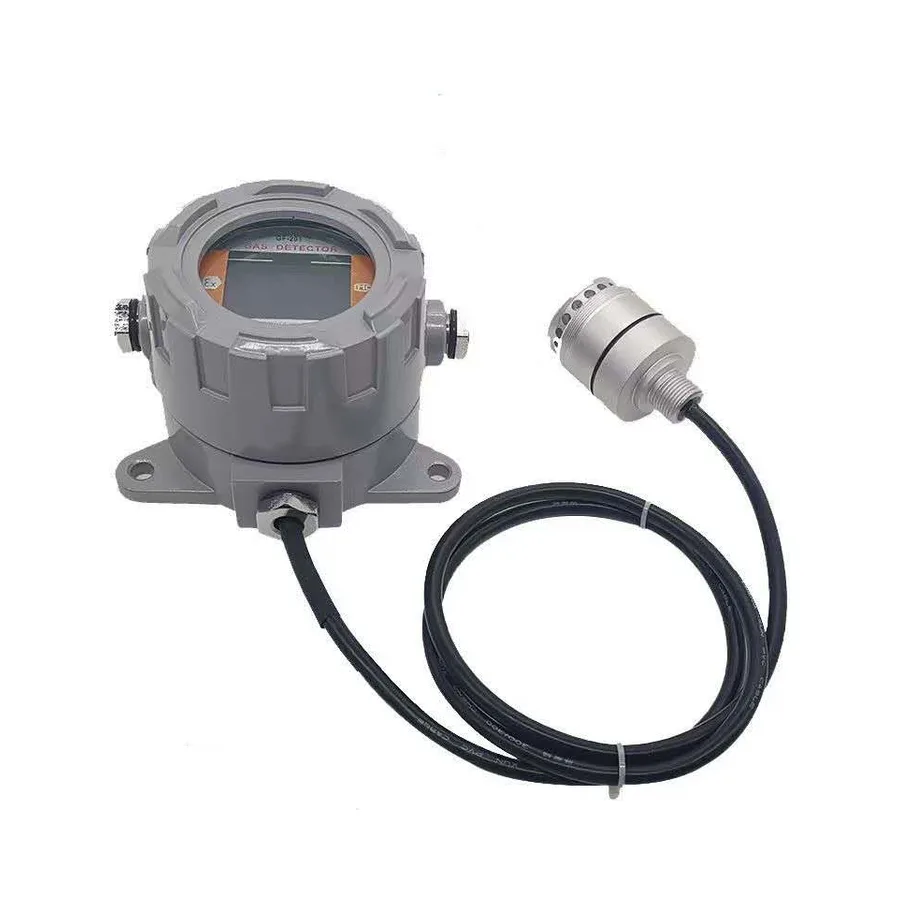
GF-201-CO2
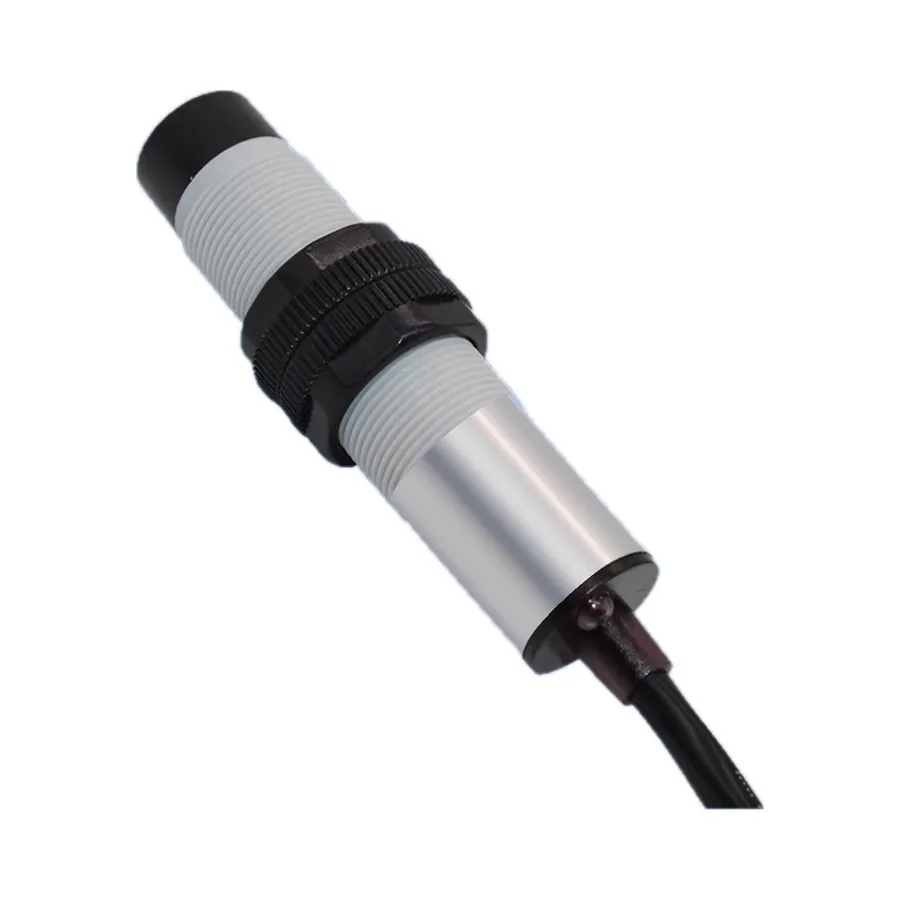
CO2-210
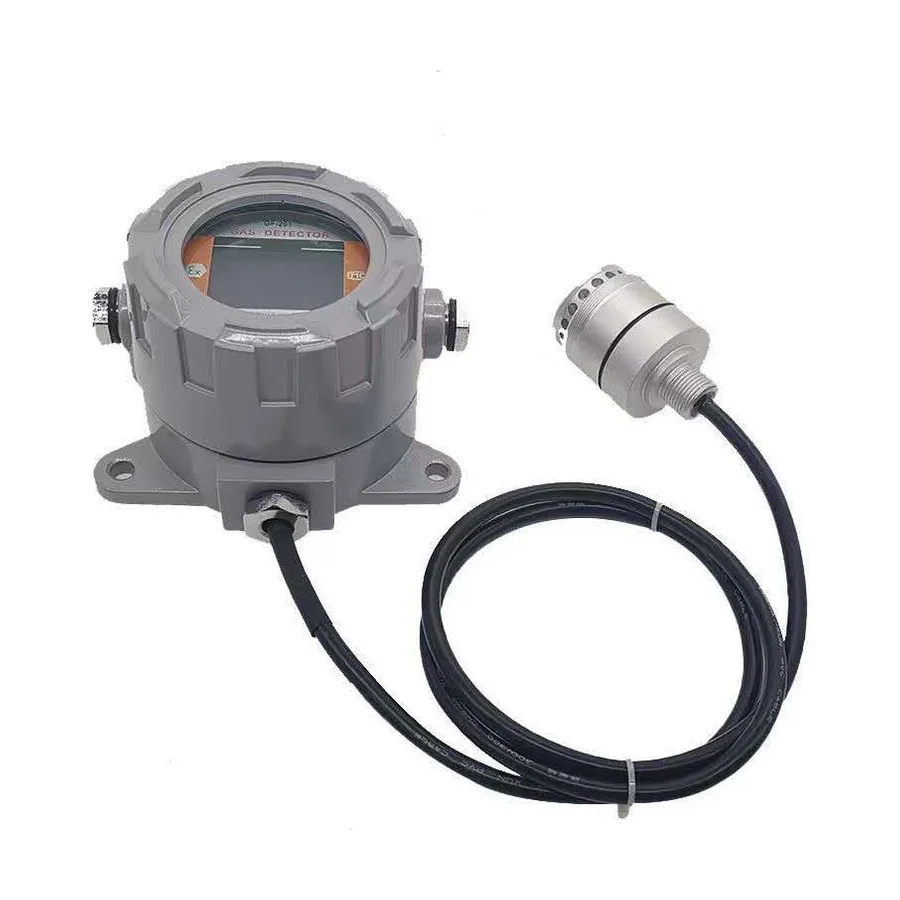
GF-201-CH4
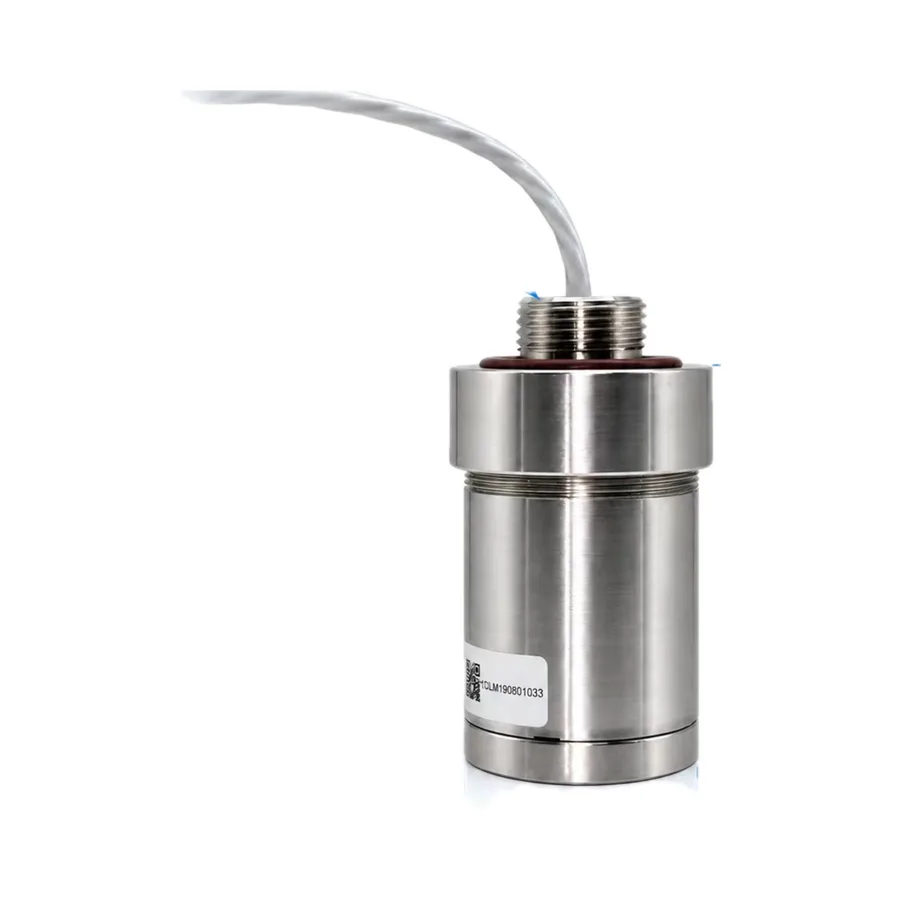
CH4-210
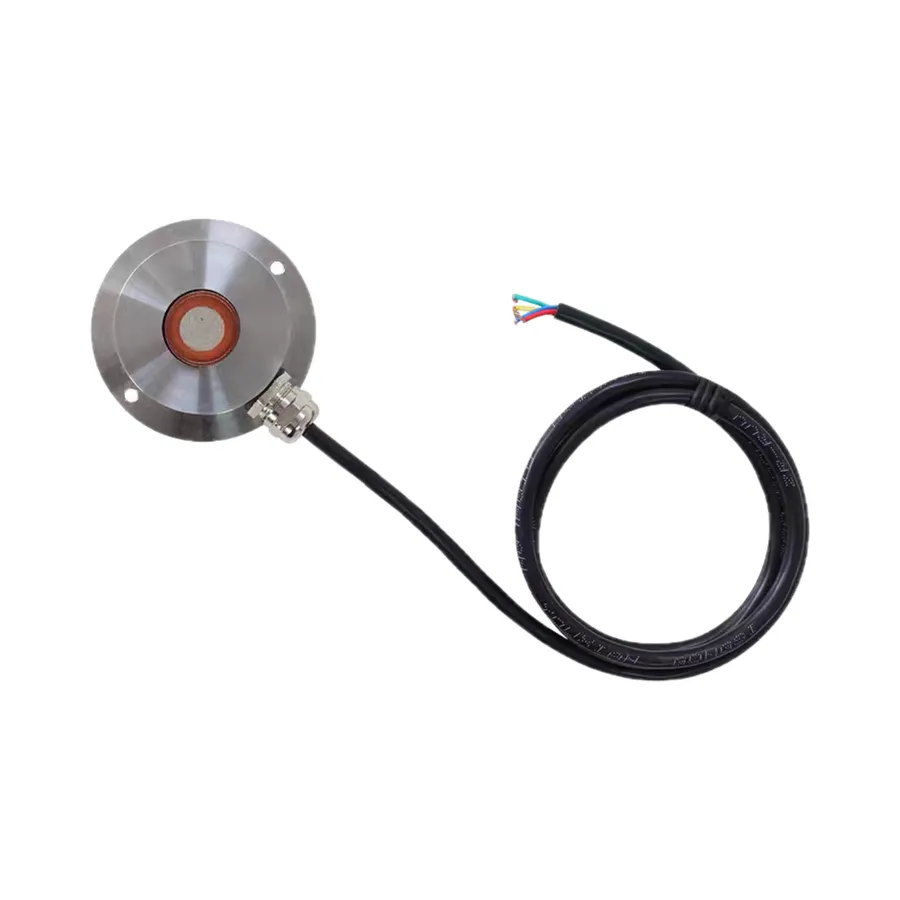
CO-210
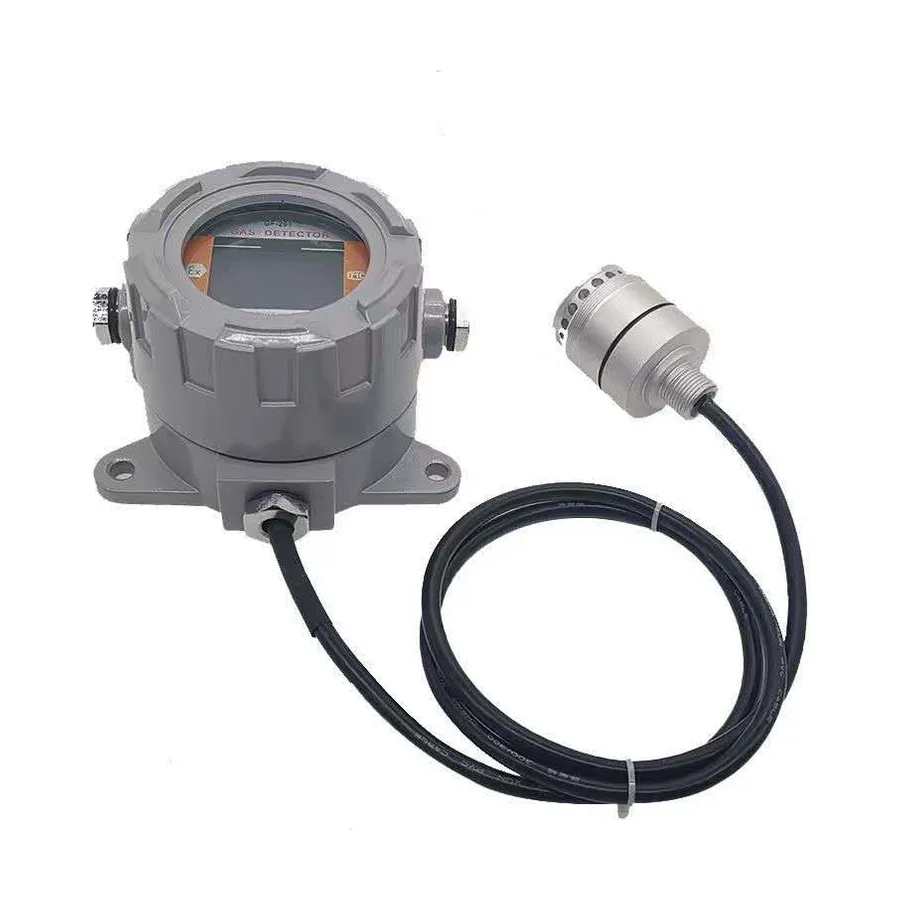
GF-201
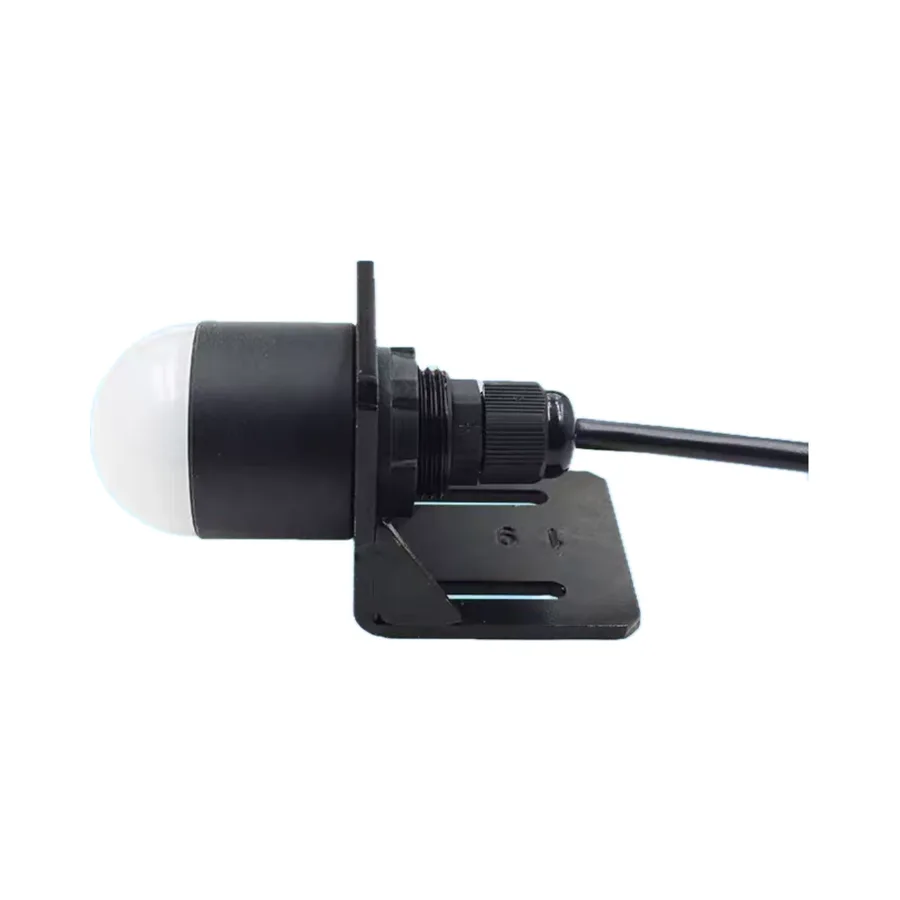
LUX-200
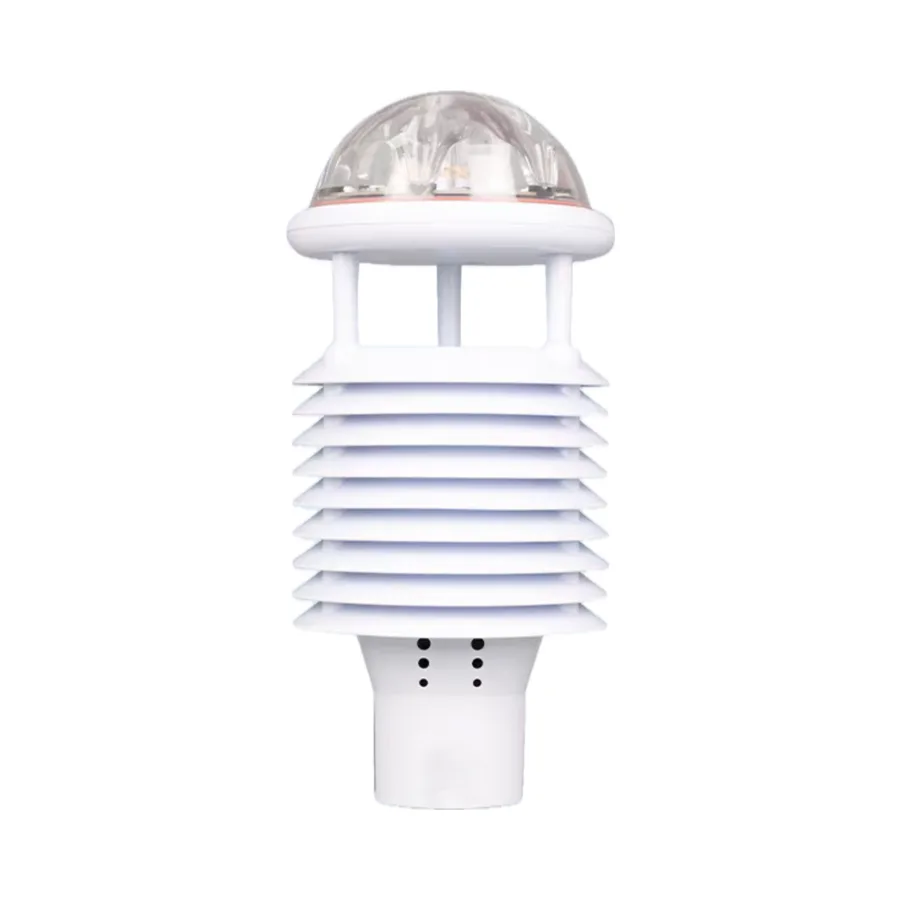
WS-200
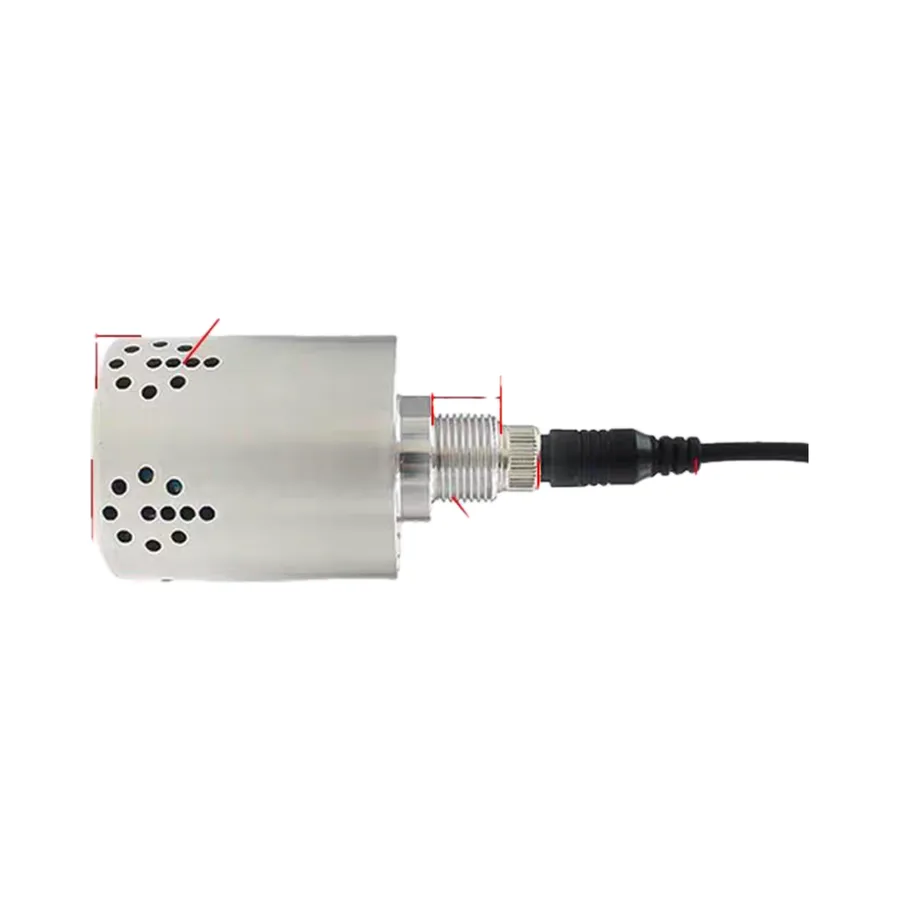
PM-200
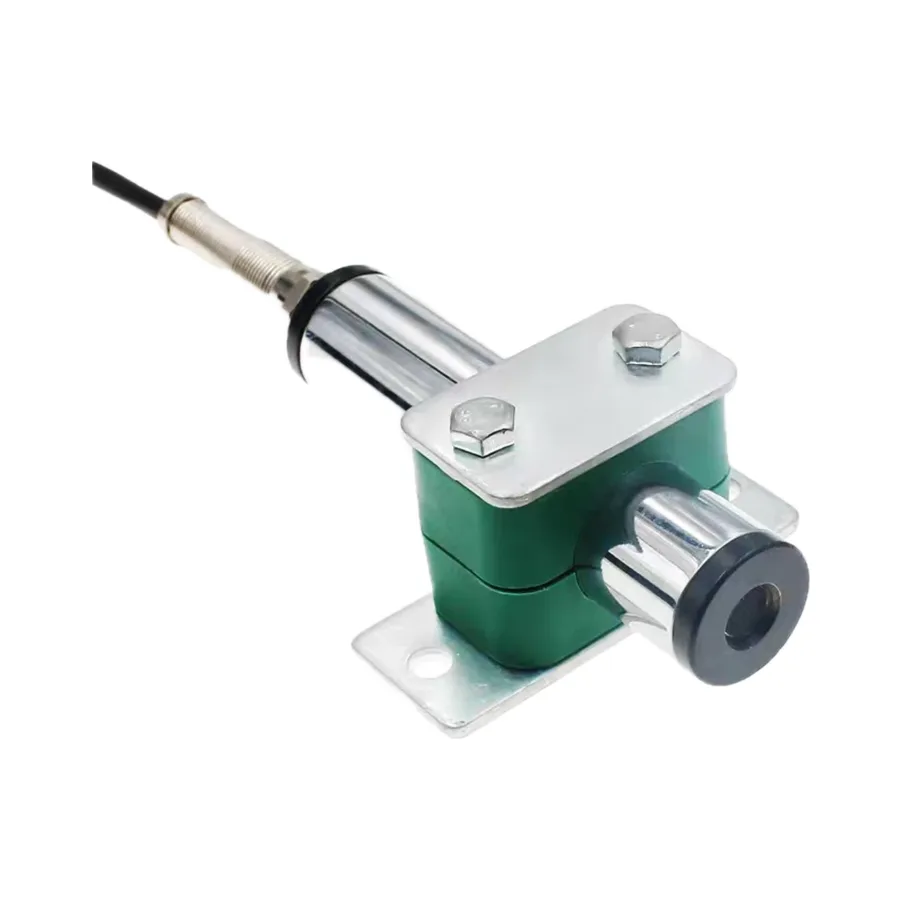
NS-200
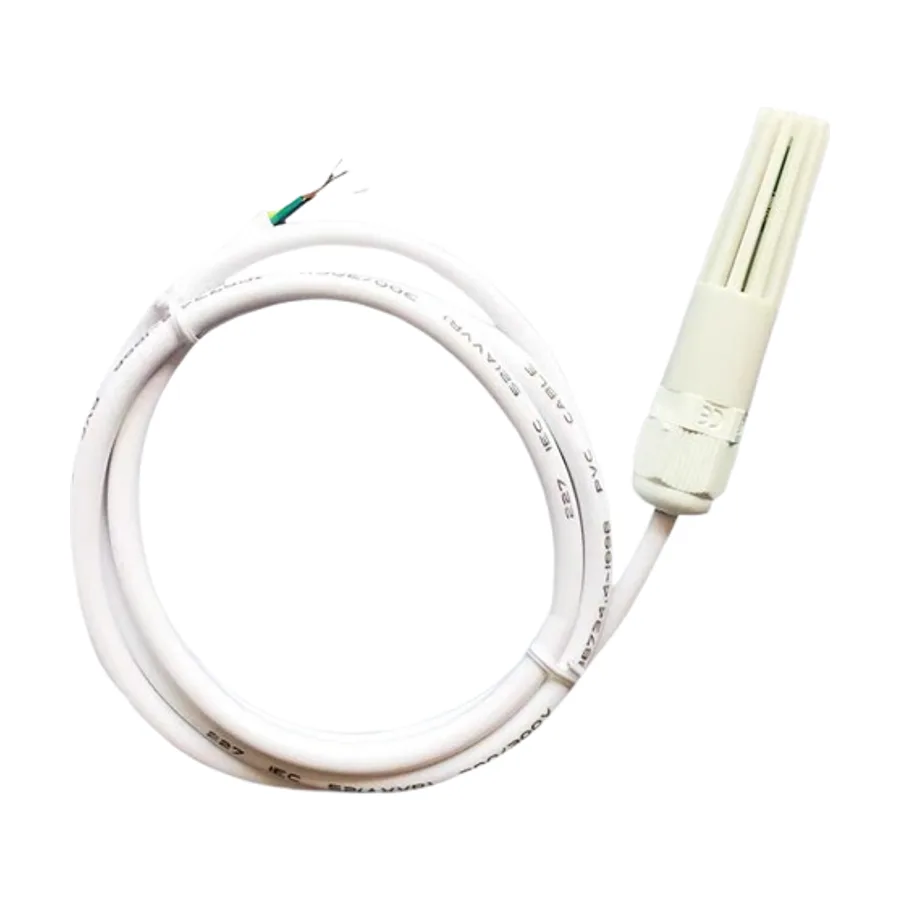
TVOC-100
Temperature, humidity and ammonia in every house
Start each house with a THS-100 probe and a GF-201-NH3 ammonia detector, both used with broilers, layers and breeders.
CO2 and a leak detector where the heaters burn gas
A brooding house with gas heaters adds the GF-201-CO2 as a check on minimum ventilation and the GF-201-CH4 to watch the heaters and the gas line for leaks.
Hydrogen sulfide where manure is stored or moved
On layer and breeder farms the GF-201 goes at the manure pit, the manure belt or deep litter, mounted low because H2S is heavier than air.
An ammonia detector and a CO2 detector cover the two gases that EU Council Directive 2007/43/EC limits for broilers at higher stocking densities: 20 ppm ammonia and 3000 ppm CO2 at the level of the chickens' heads. Add the GF-201-CH4 where the heaters burn gas.
The ammonia detector and the GF-201-CH4 mount high, 0.3-0.6 m below the ceiling, because ammonia and methane are lighter than air. The CO2 and H2S detectors mount low, 0.3-0.6 m above floor level.
When you want an odour trend in an indoor, non-condensing room, compared week against week or room against room. For a direct CO2 measurement, use the GF-201-CO2.
Send the house size, the birds and the problem you want solved. You get a proposed setup and a quote, with the datasheets.