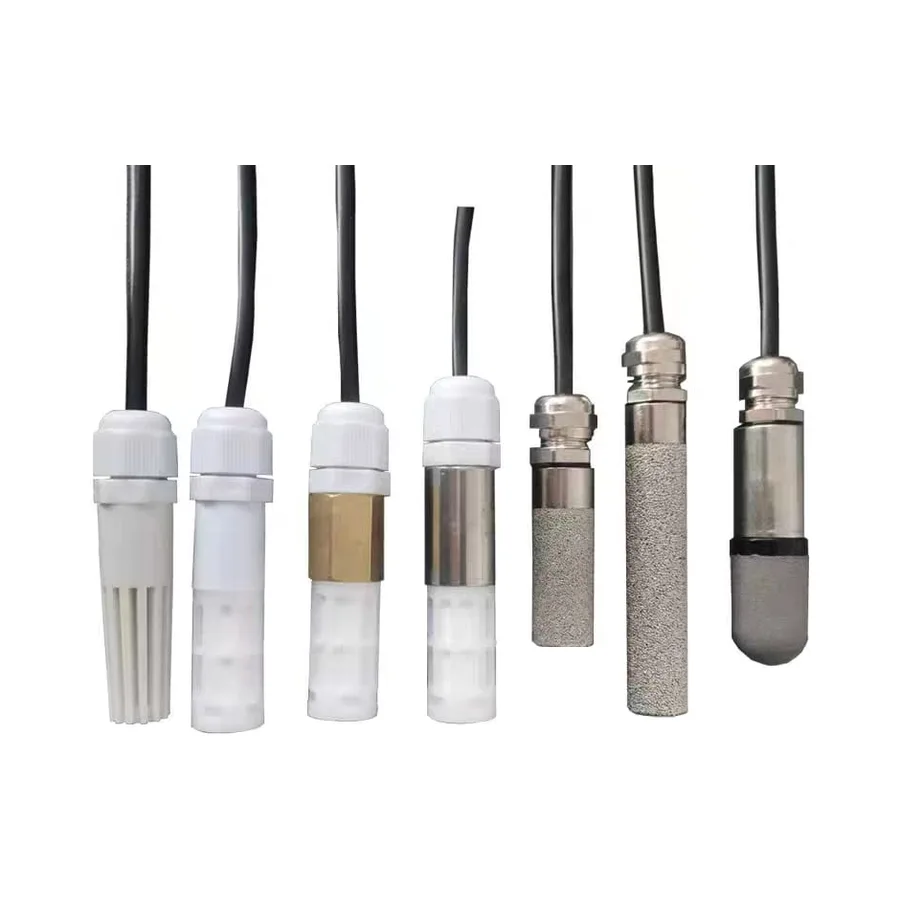
THS-100
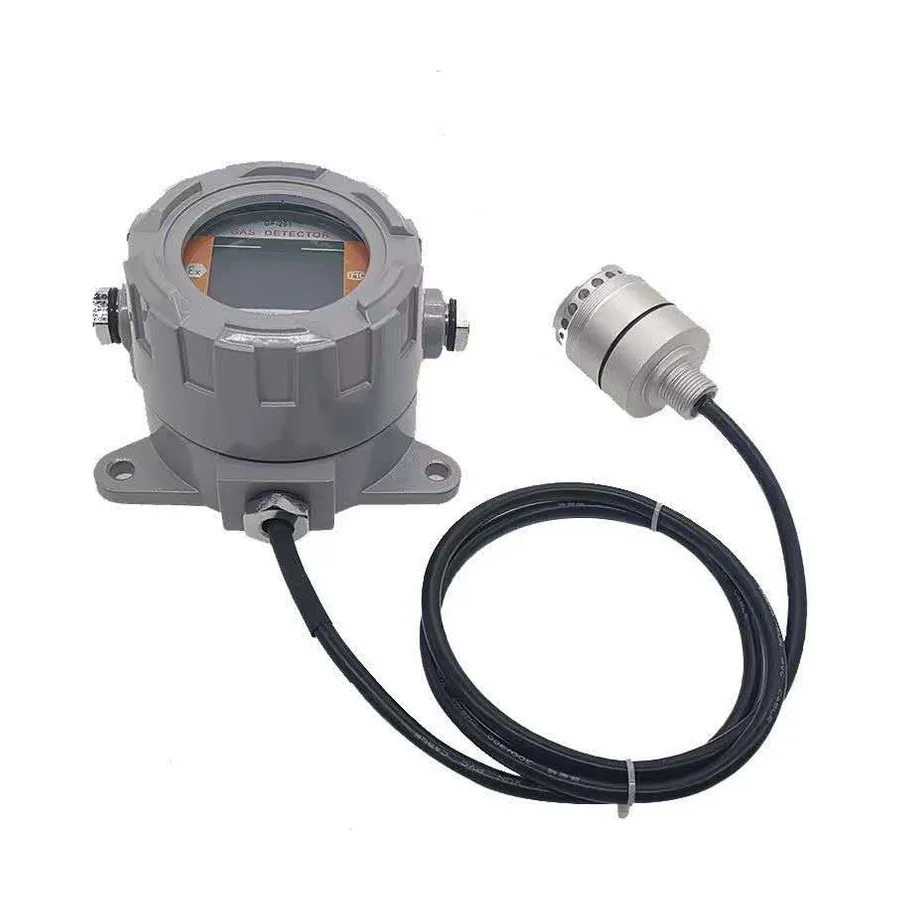
SKU: GF-201-O2
Fixed oxygen detector with a backlit display and two alarm relays.
The GF-201-O2 is a fixed oxygen detector. It mounts on a wall, measures the oxygen content of the air around it without interruption, and shows the value on a backlit display in percent by volume. The standard range is 0-30 %VOL with a resolution of 0.01 %VOL, so the display follows changes of a few hundredths of a percent. A version with a 0-100 %VOL range is supplied on request.
Fresh air holds a little under 21 percent oxygen, and the body gives no warning when that share drops. Air that is short of oxygen looks and smells like any other air. The detector is there to put a number on it, and its two alarm relays switch a siren or a warning light at the levels the user sets.
An incubating egg breathes through its shell. In the first days the embryo uses very little oxygen. Its demand rises as it grows and is highest in the last days, when the chick starts to breathe with its lungs, breaks into the air cell and then pips the shell. At that stage a loaded hatcher holds thousands of chicks that all take oxygen from the same air and give carbon dioxide and heat back to it.
The ventilation of the hatcher and of the room around it is sized to replace that oxygen. When a fan stops, a damper sticks closed, an air filter clogs or a room is loaded more heavily than usual, the supply falls behind the demand. The oxygen level then drifts down over minutes and hours while the temperature display on the machine may still look normal.
A detector in the hatcher room shows this drift directly. With a response time of 15 seconds or less to reach 90 percent of a change, and a resolution of 0.01 %VOL, it shows a falling trend long before the room feels stuffy to a person walking in.
The second job of an oxygen detector is to protect people. Poultry sites have spaces that are entered only now and then and that are poorly ventilated in between: feed silos and bins, pits and sumps, service ducts and plant rooms below floor level. In a closed space oxygen can be used up by fermenting feed or manure, or pushed out by another gas, and nothing about the space gives it away.
A detector mounted near the entry shows the oxygen level at that point on its display, and with pump-suction sampling it reads the air inside the space before the hatch or the door is opened. If the reading is below the level the farm has set, the alarm light is already on, and the space is ventilated before anyone goes in.
The detector gives a warning and a number. Entry into a confined space still calls for the site procedure: ventilation, a second person outside, and the equipment your safety rules require.
In daily use the hatchery manager reads the detector the way a room thermometer is read. A healthy room shows a steady value close to that of fresh air. The reading moves a little when the hatchers are full and the chicks are coming out, and it comes back after the pull. Staff who see the display every day soon know the normal figure for each room and each day of the hatch cycle.
The two relays work at two levels chosen by the user. The first is an early warning, set a short way below the normal reading of the room, that tells the staff to check the fans, the dampers and the air inlets. The second is the level at which the room needs attention at once. For rooms that people enter, the workplace rules of your country define the oxygen level below which a space counts as deficient, and that figure is the basis for the alarm.
For the protection of people the detector is mounted at breathing height, about 1.5 m above the floor, near the entry of any space that may become short of oxygen. The display should face the person who is about to go in.
In a hatcher room the aim is a reading that represents the room. Choose a wall position in the general air of the room, away from the fresh air inlet, where the reading would flatter the room, and away from the direct exhaust of a machine. Keep it clear of splashing water, oil and knocks from trolleys. Hatcher rooms are washed often, and the IP65 housing is sealed against dust and water jets, but the sensing head should not sit where a hose is aimed during wash-down.
The detector works from -20 to 50 °C and from 10 to 95 percent relative humidity without condensation. A hatcher room is warm and humid, so pick a spot where moisture does not condense on the walls.
The standard detector samples by diffusion. Room air reaches the sensing cell by itself, with no moving parts, and this suits a wall position in a room or at a doorway.
Some measuring points cannot be reached that way. For the inside of a silo, a pit or a sealed chamber, the detector can be supplied with pump-suction sampling, which draws air through a tube from the point of interest to a detector mounted outside. For an air duct or an exhaust line there is a pipe flow-through mounting, where the air stream passes the cell. The housing is flameproof aluminium alloy, certified Ex d IIC T6, which matters on sites where the detector stands in an area classed as hazardous.
Tell us the rooms and spaces you want to cover and how people enter them. We confirm the range, the sampling method and the mounting with the quotation.
An oxygen detector is only as good as its last calibration. The sensing cell ages, and the detector is calibrated at least once every six months from the front-panel menu, by trained personnel with certified gas. The zero and the span are set in turn, the span with calibration gas applied for two to three minutes until the reading is stable. After each calibration the alarm relays and the outputs are tested, so the siren and the light are proven together with the reading.
Between calibrations, keep the gas inlet free of dust, chick down and deposits. Down from the hatchers travels through the whole building and settles on every surface, and a coated inlet slows the response. A glance at the display during the daily round is a useful check: a reading that has moved away from its usual value on a day when the ventilation is running normally is a reason to call for service. The cell is replaced at the end of its life and the detector is calibrated again.
Mount the detector at breathing height, about 1.5 m, near the entry to any space that may go oxygen-deficient. In a hatcher room, place it where the air is representative of the room, clear of splashing water. It connects to the Genesis controller over RS485 and runs on 12-30 VDC.
The standard range is 0-30 %VOL at 0.01 %VOL resolution, with a response time of 15 seconds or less (T90). A 0-100 %VOL range is available on request.
By diffusion as standard, with pump-suction sampling and pipe flow-through mounting as options. Tell us where you need the reading and the mounting is confirmed with the quote.
At least once every six months, from the front-panel menu, by trained personnel using certified gas. Alarm and output response are verified after each calibration.
THS-100
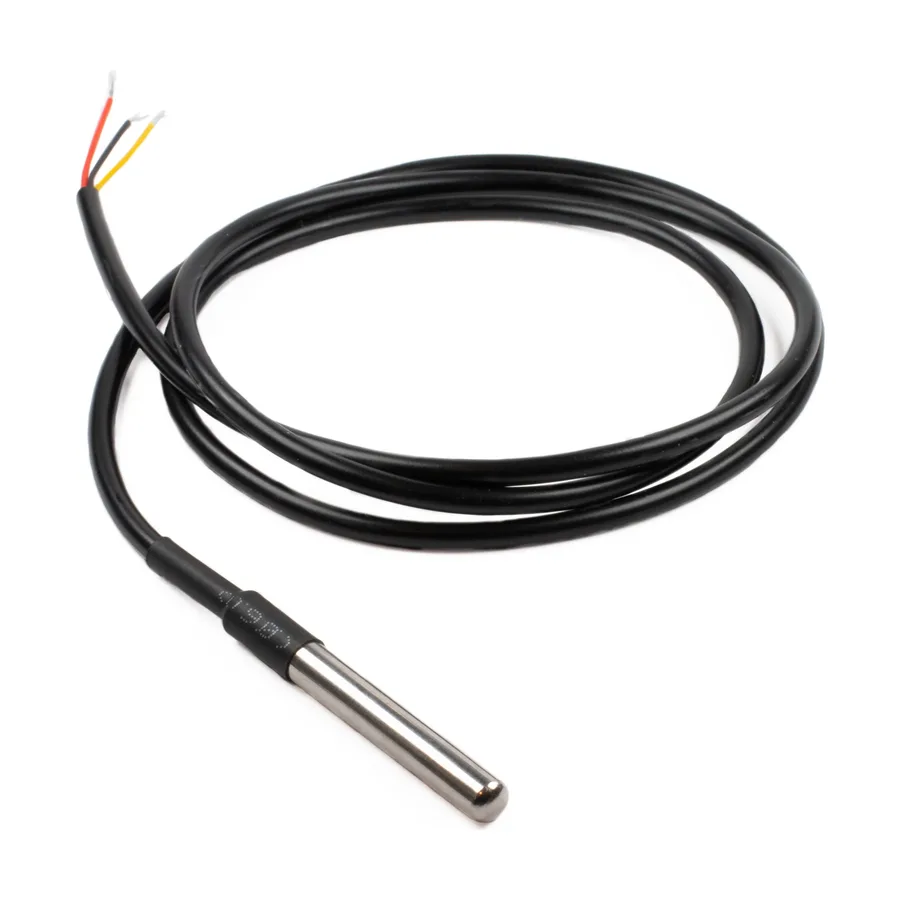
DS18B20
Send the number of houses, the birds and what you want to watch. You get a proposed set of sensors per house and a quote, with the datasheets.