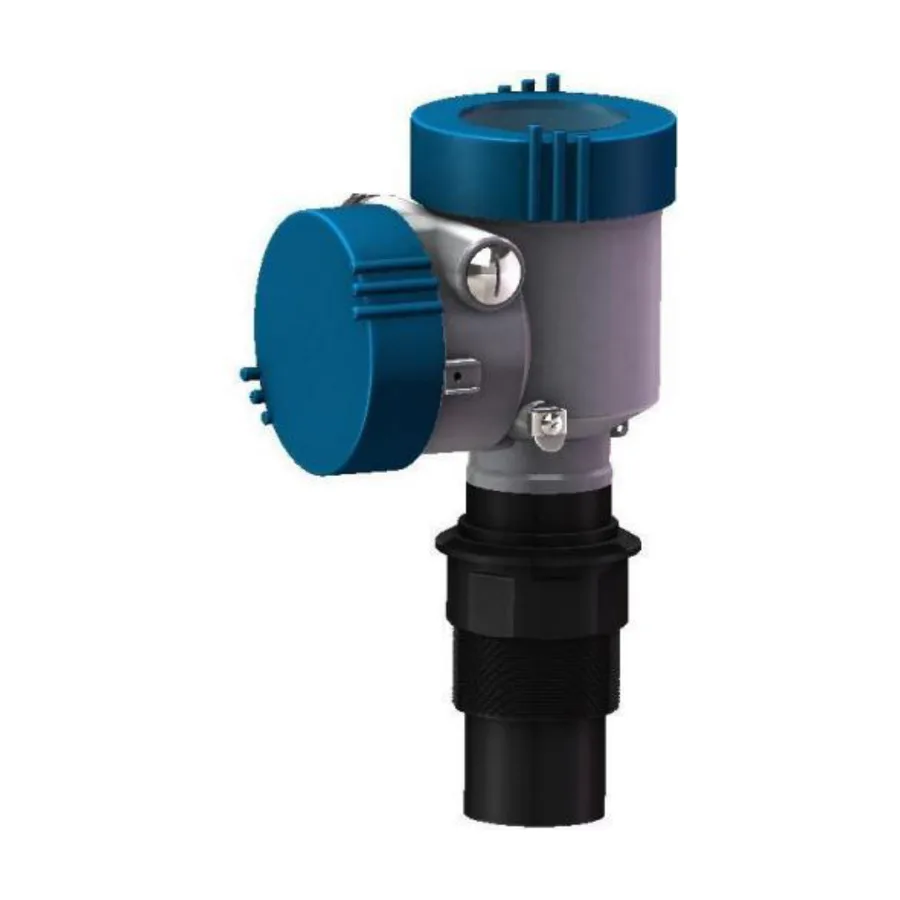
ULM-100
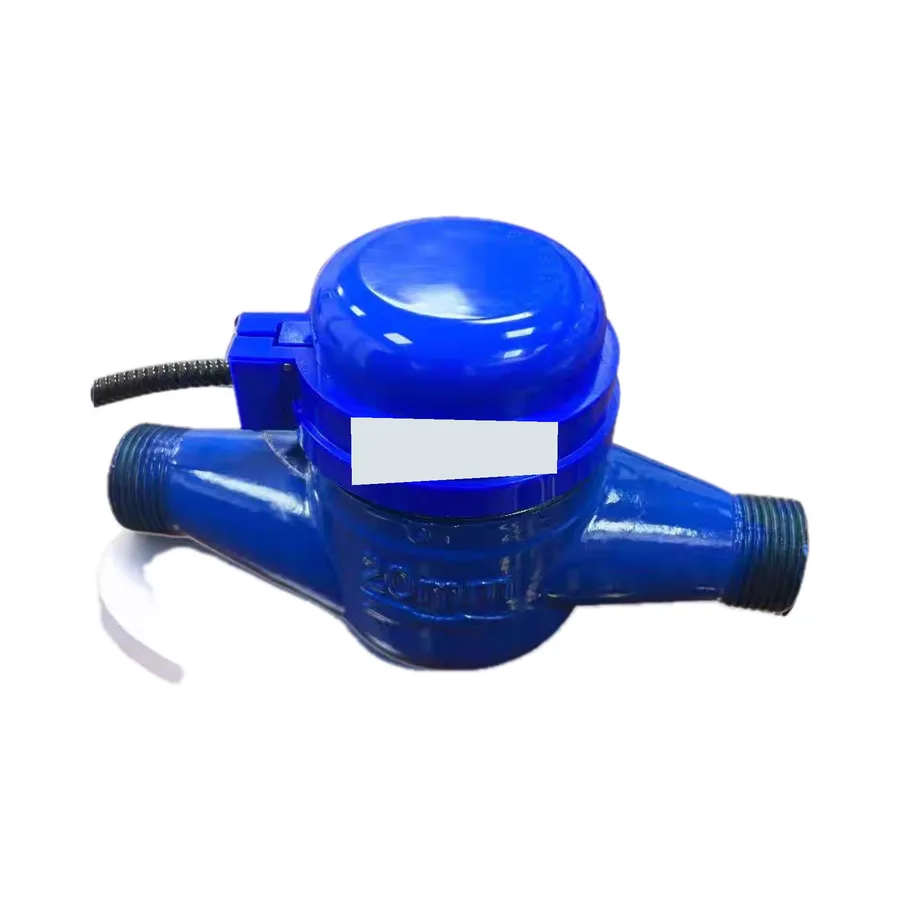
SKU: WM-20
DN20 water meter that measures the water volume and the flow of one poultry house.
The WM-20 is a water meter for the supply line of one poultry house. It fits a DN20 pipe, the common 3/4 inch size, and comes with brass unions on both ends, so it can be fitted and taken out again without cutting the pipe. Every litre the house draws passes through it: the water the birds drink, the water the drinker lines spill and the water that goes down the drain when a line is flushed.
The meter keeps two figures. The first is the cumulative volume, the running total of all the water that has passed since the meter was fitted, counted in steps of 0.1 L. The second is the instant flow in litres per hour, the rate at which water is moving through the pipe at this moment. The total is shown on the dial of the meter, and the same total can be read electronically, so the figure in the farm record is the figure on the dial.
The dial runs on its own battery, which lasts 10 years. A power cut in the house does not stop the count. When the power returns, the total includes everything the birds drank in the meantime.
Birds drink more than they eat, and drinking is the first habit to change when something is wrong. A flock that is starting a health problem, that is too hot or too cold, or that cannot reach the nipples comfortably drinks differently before it eats differently, and well before the weights show it. The Ross Broiler Management Handbook 2025 says that changes in water intake can be an early indication of health and performance issues, and it asks for water to be monitored every day with at least one meter in each house.
One meter on the farm main cannot do this job. A house that drinks less hides behind a neighbour that drinks more, and a leak in the yard looks like thirsty birds. With a WM-20 on each house, every flock has its own curve, and two houses of the same age can be compared with each other. When one of them breaks away from the other, that is the house to walk first.
The usual pattern in a growing flock is a daily total that climbs a little every day. A day that comes in below the day before, in a flock that should still be climbing, is the signal growers learn to act on. Often the cause is equipment: a blocked filter, a pressure regulator still set for younger birds, a drinker line hanging at the wrong height. Those are quick to check, and they are easiest to put right on the day they start.
Water and feed move together. The Ross Broiler Management Handbook 2025 says birds are drinking enough when the ratio stays close to 1.6 to 1.8 litres of water for each kilogram of feed at 21°C. A grower who knows the daily feed of the house, from the silo or from the delivery notes, can set it against the daily water from the meter. A ratio that holds steady while both figures rise describes a flock that is eating and drinking normally.
A ratio that drifts upward points to heat, or to water that never reaches the birds. The meter counts water used, which is water drunk plus water spilled. A leaking nipple line or an overflowing cup shows as extra litres on the meter and, a day or two later, as wet litter under the line. Wet litter is where ammonia and foot pad trouble begin, so the meter is often the first notice of a litter problem as well.
The instant flow is the quickest way to find such a leak. In a house with a dark period the birds rest, and the flow should fall to a low, steady base. Water that keeps running through the night while the birds are asleep is going somewhere other than into the birds.
A layer or breeder flock stays in the house for many months, and there the value of the meter is the long record. A hot week, a change of feed and a move to a new lighting programme each leave a mark on the water curve, and the same weeks can be compared from one flock to the next.
The meter also helps with the routine jobs that run through the drinking water. Before a vaccination or a treatment given through the drinker lines, the grower needs to know how much the flock drinks in a given part of the day, so that the solution is neither finished too early nor left standing in the lines. The cumulative total read at the start and at the end of that period on the previous day gives the figure from the house itself.
Water meters are rated under the international recommendation OIML R 49, and two figures on the rating plate describe the working range. Q3 is the permanent flow, the highest flow at which the meter works within its stated accuracy in normal use. R is the ratio between Q3 and the minimum flow, called Q1, which is the lowest flow at which that accuracy still applies.
The WM-20 is rated Q3 4.0 m3/h and R80. Its permanent flow is therefore 4,000 litres per hour, and dividing by 80 puts its minimum flow at 50 litres per hour. To check your own house, take the water the flock uses on a day at the end of the cycle and on a day in the first week, divide each by the hours the lights are on, and see where the two flows fall between those figures. Check the top end as well. The highest flow in a house is usually a line flush, or a hot afternoon if the cooling system takes its water through the same pipe.
A small flock in its first days draws very little water, and its hourly flow sits at the bottom of the range. For those days, read the daily total and the direction it moves from one day to the next. Tell us the number of birds in the house and we will go through the range with you before you order.
The meter goes on the pipe that feeds the house, normally in the service room, where it stays dry and the dial is easy to read. Its place in the row of equipment on that pipe matters as much as the meter itself.
In a long house with two supply lines, a meter on each line shows the two ends of the house separately, which the Ross 2025 handbook also recommends where it is practical.
The old advice for a house water meter is to read it at the same time every day, because a reading taken two hours late makes yesterday look thirsty and today look dry. When the total is recorded automatically the day is cut at the same minute every time, and the daily figures can be trusted against each other. What the grower still has to add is a note of the events that move water without the birds: a line flush shows as a short spike in the flow, and a house wash between flocks shows as a large block.
Upkeep is light. Clean the filter ahead of the meter on its normal schedule, because a filter that is blocking up starves the house and shows on the meter as a falling flow. Once in each flock, compare the dial with the figure in the record. If the dial stands still while the birds are drinking, look first for an open bypass and then for grit in the meter. After work on the pipe upstream, flush the line through the bypass before sending water through the meter again, so that swarf and scale are carried past it.
The meter goes on the water supply line of the house and comes with brass unions for a DN20 (3/4 inch) pipe. It wires to the Genesis controller over RS485.
Under OIML R 49, Q3 is the permanent flow in m3/h and R is the ratio between Q3 and the minimum flow Q1. The WM-20 is rated Q3 4.0 m3/h and R80.
Yes: the dial has its own 10-year battery and keeps counting. The display and RS485 read the same register, so the first reading after the cut carries the full total.
A DN20 (3/4 inch) supply line. Brass unions are included.
ULM-100
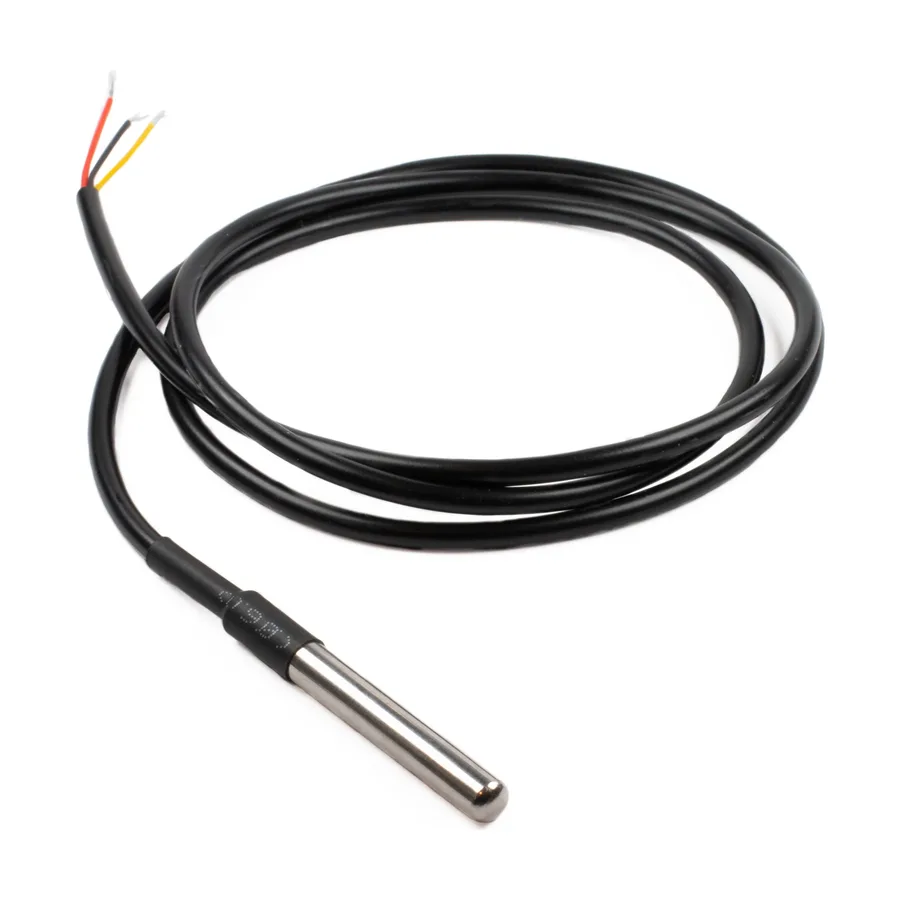
DS18B20
Send the number of houses, the birds and what you want to watch. You get a proposed set of sensors per house and a quote, with the datasheets.