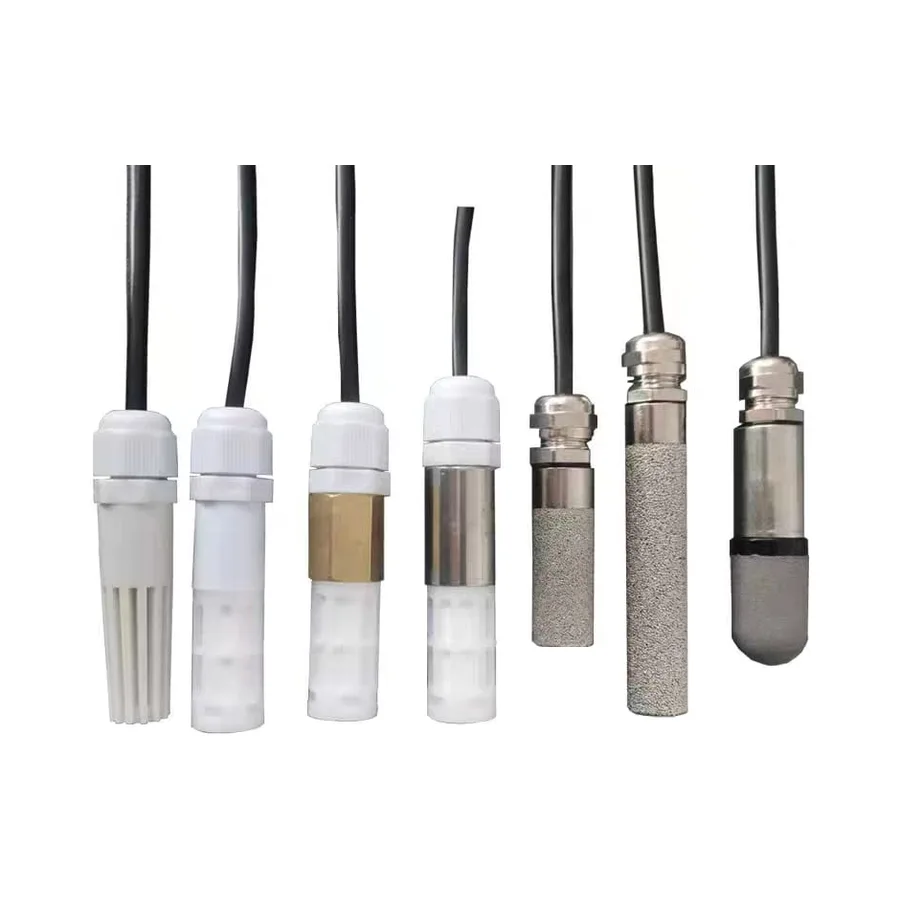
THS-100
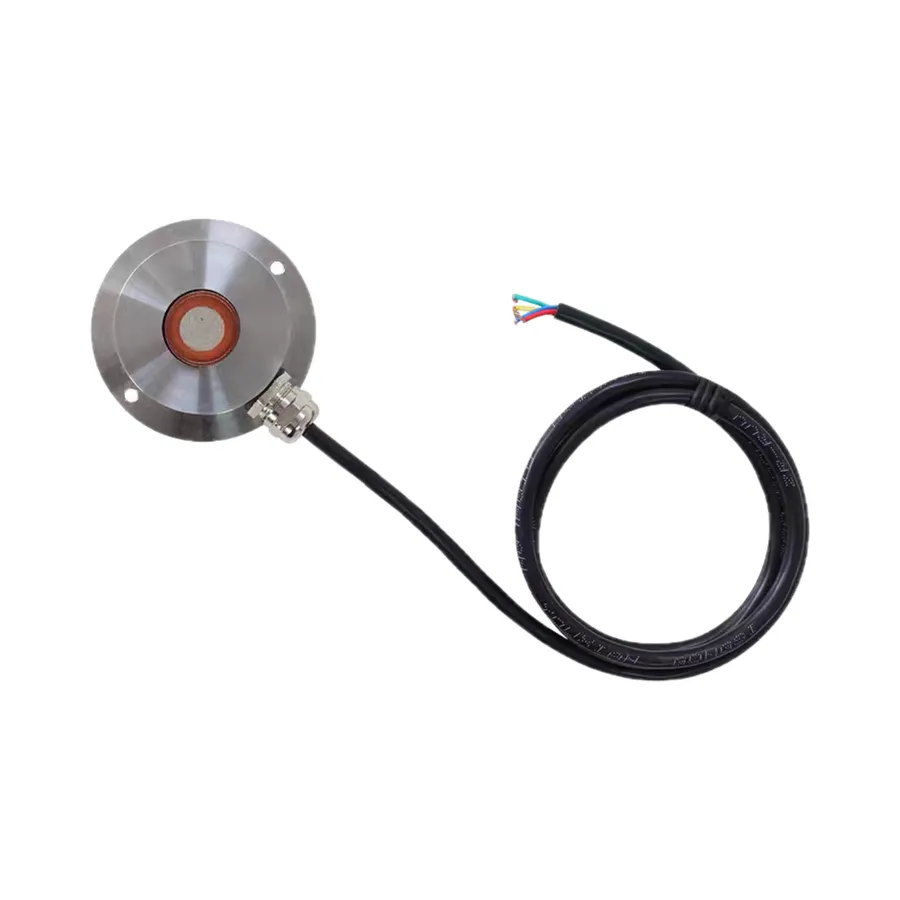
SKU: CO-210
Measures carbon monoxide from 0 to 100 ppm in houses with direct-fired heaters and brooders.
Carbon monoxide (CO) is produced whenever a fuel burns without enough air. A gas or oil burner that is clean, correctly adjusted and well supplied with oxygen gives off very little. A burner with a dirty nozzle, a blocked air intake or a worn orifice gives off far more, and so does any burner working in air that is already low in oxygen.
Most poultry houses are heated by direct-fired heaters and brooders. They burn inside the house and have no flue, so everything that leaves the flame stays in the air the birds and the workers breathe until the ventilation carries it out. Carbon monoxide has no smell, no colour and no taste. It binds to the blood in place of oxygen, and it harms chicks and people alike.
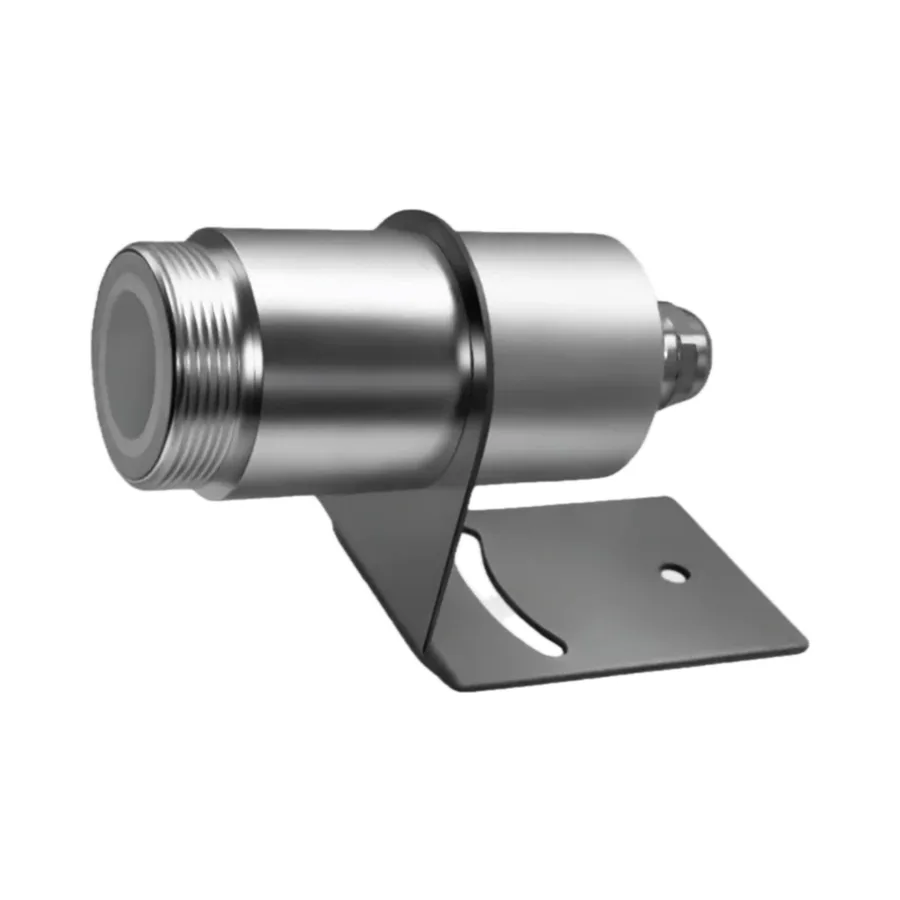
The CO-210 is a carbon monoxide sensor made for this setting. It measures the gas from 0 to 100 ppm and has a stainless steel flange housing that mounts on a wall or on the ceiling of the house.
Brooding is the period when the risk is highest, for three reasons that come together. The heaters run for the most hours, because day-old chicks need a warm house and warm litter. The ventilation is at its minimum, because the grower is holding heat and the chicks produce little moisture yet. And the birds are at their smallest and most sensitive.
The trouble often begins before the chicks arrive. A house is closed and pre-heated for a day or more to warm the floor. If one brooder in the row is burning badly, carbon monoxide builds up in the closed house with nobody inside to feel it. The chicks are then placed into that air, and the first people to spend hours in it are the crew unloading them.
Chicks affected by carbon monoxide become dull and drowsy and stop moving to feed and water. In the first days of a flock that picture is easily put down to chilling, to transport or to chick quality, and the heaters may even be turned up. A measurement in ppm takes the guessing out of it.
A grower will recognise the situations in which carbon monoxide rises.
The sensor uses a heated sensing element. The element is kept at working temperature, and its electrical behaviour changes as carbon monoxide in the surrounding air reaches it. The electronics turn that change into a concentration between 0 and 100 ppm.
Because the element is heated, the sensor draws up to 4 W and takes 60 seconds to warm up after it is switched on. It is therefore run from the permanent power supply of the house, the same as the other fixed equipment, and it is left on for the whole heating period so that it is warm and measuring when the first brooder is lit.
The housing is stainless steel with a mounting flange. Stainless steel stands up to the ammonia, the humidity and the disinfectants of a poultry house, and the flange gives a firm fixing on a wall panel or a ceiling panel.
Carbon monoxide has almost the same density as air, and it leaves the heater in a stream of hot combustion gas. It rises with that warm air and then mixes through the house. This is why the sensor can be fixed either on a wall or on the ceiling, and why the choice of zone matters more than the choice of surface.
Place the sensor in the part of the house that is heated and occupied during brooding. In a house that broods in one half, that means the brooding half. Choose a spot that the mixed house air reaches. A sensor directly in the exhaust stream of one heater reads that heater alone, and a sensor beside an air inlet reads fresh air. Keep it clear of the radiant heat of a brooder, out of reach of the birds, and away from the spray of foggers and the wash-down hose.
In a long house with heaters along its length, one sensor near each end shows whether the problem is general or belongs to one group of heaters.
The reading is useful because it moves before anyone feels unwell. A level that creeps up each night and falls each morning follows the heater running hours, and it says that the burners or the air exchange need attention. A level that jumps in one house while the house beside it stays low points to a single faulty unit.
The response is practical. Increase the minimum ventilation first, so that fresh air dilutes the gas, and accept the fuel this uses for a few hours. Then find the source: look at each flame, which should burn blue and steady, clean the burners and air intakes, check the gas pressure, and take out of service any heater that keeps producing a yellow flame or soot.
People who have been working in the house and report headache, dizziness or nausea should go out into fresh air at once. The sensor gives a warning and a figure to act on. It does not replace the regular servicing of the heaters or the medical attention a person with symptoms needs. For the alarm level to set, start from the workplace exposure limit for carbon monoxide in your country and from the guidance of your veterinarian for the birds.
The sensor earns its keep on a few nights of the year, so it has to be known to work before those nights come. Make it part of the house preparation. When the heaters are test-fired before chick placement, confirm that the sensor is powered, has passed its warm-up and shows a low, steady value in the empty ventilated house.
Keep the gas opening of the housing free of dust and cobwebs, and wipe the housing when the house is cleaned. Protect the sensor from direct water jets during wash-down. A comparison with a handheld carbon monoxide meter held beside it, once or twice a year, shows whether the two agree, and a sensor that no longer follows the handheld meter is due for service or replacement.
One sensor in the brooding zone is the usual start for a broiler house. Houses that brood over the full length, long houses with two heating zones, and breeder rearing houses with separate pens are better served by two. Service rooms and egg rooms that are heated with their own combustion heater deserve a sensor of their own.
Tell us the size of the house, the type and number of heaters and how you brood, and we will suggest how many sensors to fit and where to put them.
The stainless flange housing mounts on a wall or on the ceiling. The sensor wires to a mains-powered Genesis controller over RS485 Modbus, and it reads after a 60 s warm-up.
From direct-fired heaters and brooders, mostly in cold weather when they run for long hours. The CO-210 measures it from 0 to 100 ppm.
Its heated sensing element draws up to 4 W, so it runs from house power through a mains-powered Genesis controller. It takes 60 s to warm up after power-on.
Either one: the stainless flange housing fits a wall or a ceiling. It wires to the Genesis controller over RS485 Modbus.
THS-100
GF-201-NH3
NH3-210
Send the number of houses, the birds and what you want to watch. You get a proposed set of sensors per house and a quote, with the datasheets.