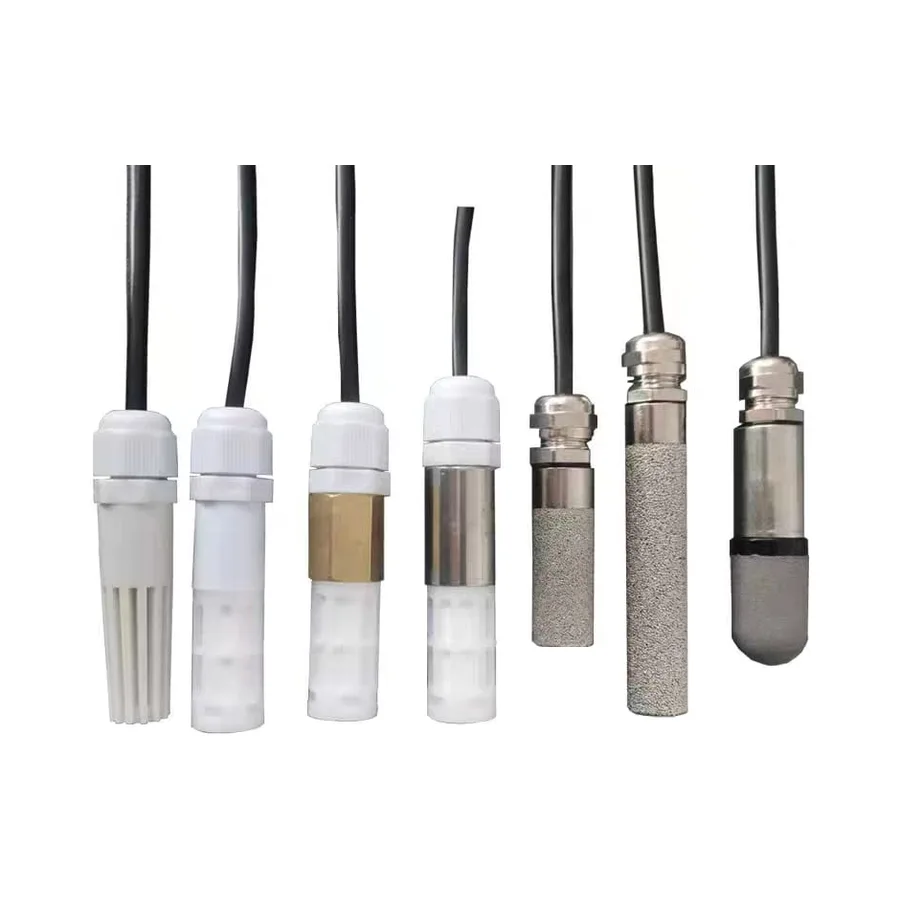
THS-100
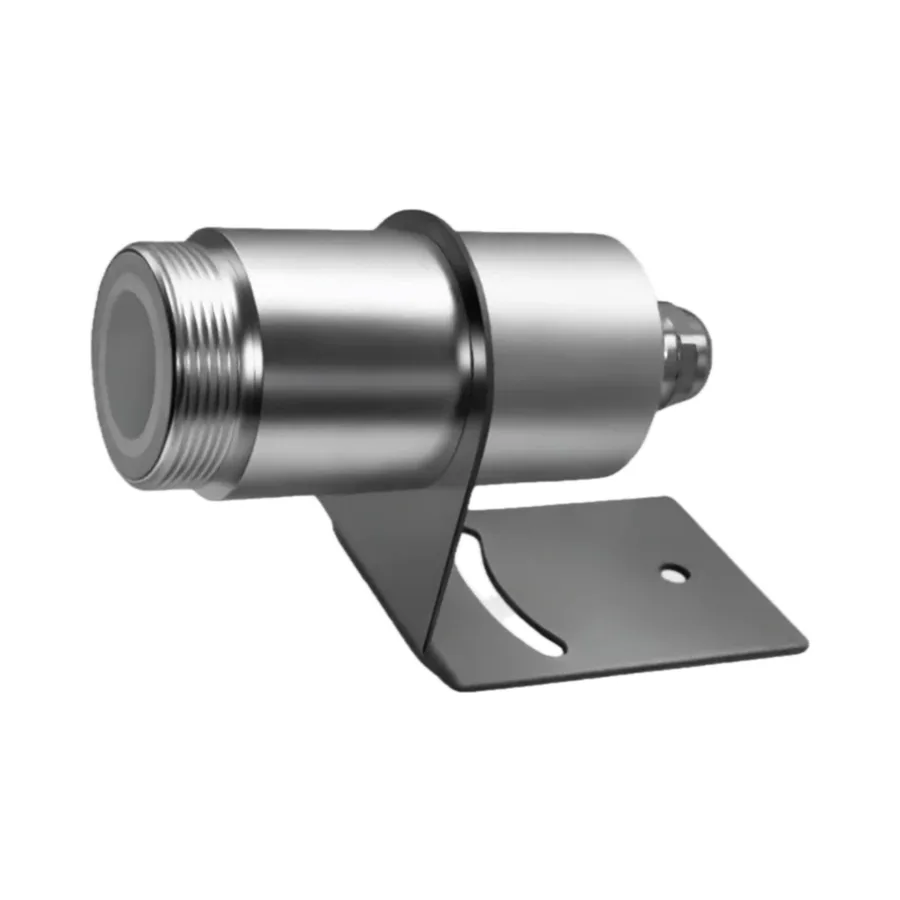
SKU: NH3-210
Compact ammonia sensor, 0 to 50 ppm, in a waterproof stainless steel housing, for poultry house air.
The NH3-210 is a compact ammonia sensor for the air of a poultry house. It measures ammonia from 0 to 50 ppm with an electrochemical cell. The cell sits in a waterproof stainless steel housing, the cable enters through a cable gland, and the sensor is fixed in the house on its mounting bracket.
An electrochemical cell works like a very small battery that runs on the gas it measures. Ammonia from the house air passes through a membrane and reacts at an electrode inside the cell. The reaction produces a tiny electric current, and the current grows with the amount of ammonia in the air. The sensor turns that current into a reading in ppm. The principle is selective and responds to low concentrations, which is why it is the usual choice for ammonia at the levels found around birds.
Ammonia in a poultry house is a litter measurement taken from the air. The gas is released when bacteria break down the uric acid in the droppings, and they do it fastest in litter that is damp, warm and caked. Dry, friable litter gives off little. A rising ammonia reading is therefore an early sign that the litter is taking on more water than the ventilation removes.
The causes are familiar. A drinker line hung too low or run at too high a pressure wets a strip of litter along the whole house. A leaking nipple makes a patch the size of a table. Loose droppings after a feed change or a gut upset wet the floor everywhere at once. Minimum ventilation set too low on cold nights leaves the moisture from the birds' breath and droppings in the house.
In each case the litter looks acceptable for a day or two after the ammonia has started to rise. A sensor that measures all the time gives those days back to the grower, while a wet patch can still be forked out and a drinker line can still be raised.
The birds feel the gas before people do. Ammonia irritates the eyes and the airways, and long exposure leaves a flock more open to respiratory disease. The wet litter behind it is the cause of footpad burns and breast blisters, which are counted at the processing plant.
On fresh bedding the first days of a flock are usually the cleanest. Farms that reuse litter see the opposite. Old litter warmed up for brooding releases the ammonia it has held since the last flock, and the highest reading of the cycle can come during preheating, before the chicks arrive. A sensor in the house during preheating shows when the house has been aired enough to place day-old chicks, which are the birds least able to cope with the gas.
In the middle weeks the reading follows the weather. A run of cold, wet days keeps the house on minimum ventilation and the level creeps up night after night. When the weather turns and the fans move more air, the level falls again. The pattern from one night to the next says more than any single reading.
In the last week the house holds its heaviest load of birds and droppings, and the litter is at its oldest. This is also the week when carcass quality is decided, so a climbing reading here is worth an extra step of ventilation even on a cold night.
For the bird area of a house it is. EU Council Directive 2007/43/EC sets a limit of 20 ppm ammonia, measured at the level of the chickens' heads, for broiler houses stocked at the higher densities. That limit sits below the middle of the NH3-210 range. A house that is managed well spends its time in the lower part of the scale, and a house that reads near the top of the scale needs action whatever the exact figure is.
A narrower range has a practical advantage. The whole span of the sensor is used for the concentrations a grower makes decisions on, and none of it is spent on levels that belong to a manure store.
The sensor is fixed with its bracket to a wall, a post or a part of the house structure, and the cable gland seals the cable where it enters the housing. Because the body is small, it fits in places where a larger instrument would be in the way, such as between equipment lines or on a post in the middle of the house.
A good position gives a reading that stands for the air the flock is breathing. Choose a place in the bird area where the air is mixed. Avoid the stream of fresh air from an inlet, which reads too low, and the still air in a corner behind equipment, which reads too high. Keep the sensor out of reach of the birds and out of the path of people and machines.
The stainless steel housing is waterproof and stands up to the humid, corrosive air of a poultry house. The part that needs attention is the opening through which the gas reaches the cell. Poultry dust settles there as it settles everywhere, and a layer of dust slows the response. Brush it off gently when you walk the house.
During wash-down, cover the sensor or take it down, and do not aim the pressure washer at the sensing opening. Strong disinfectant fumes can disturb an electrochemical cell for some time, so it is good practice to keep the sensor out of the house during fumigation and to put it back once the house has been aired.
An electrochemical cell is a consumable part. It is used up slowly by the gas it measures, and a cell that has spent years in high ammonia responds less than a new one. The practical check is a comparison. Once in each flock, hold a handheld ammonia meter or a detector tube next to the sensor and compare the two. A sensor that agrees with the handheld reading is doing its job. One that has drifted away is due for service.
The two models measure the same gas in two different forms. The NH3-210 is the compact one: a small stainless steel sensor on a bracket, with a 0-50 ppm range. It suits broiler, layer and breeder houses where ammonia is wanted as a measurement in the bird area, and it suits farms that plan more than one measuring point in a house.
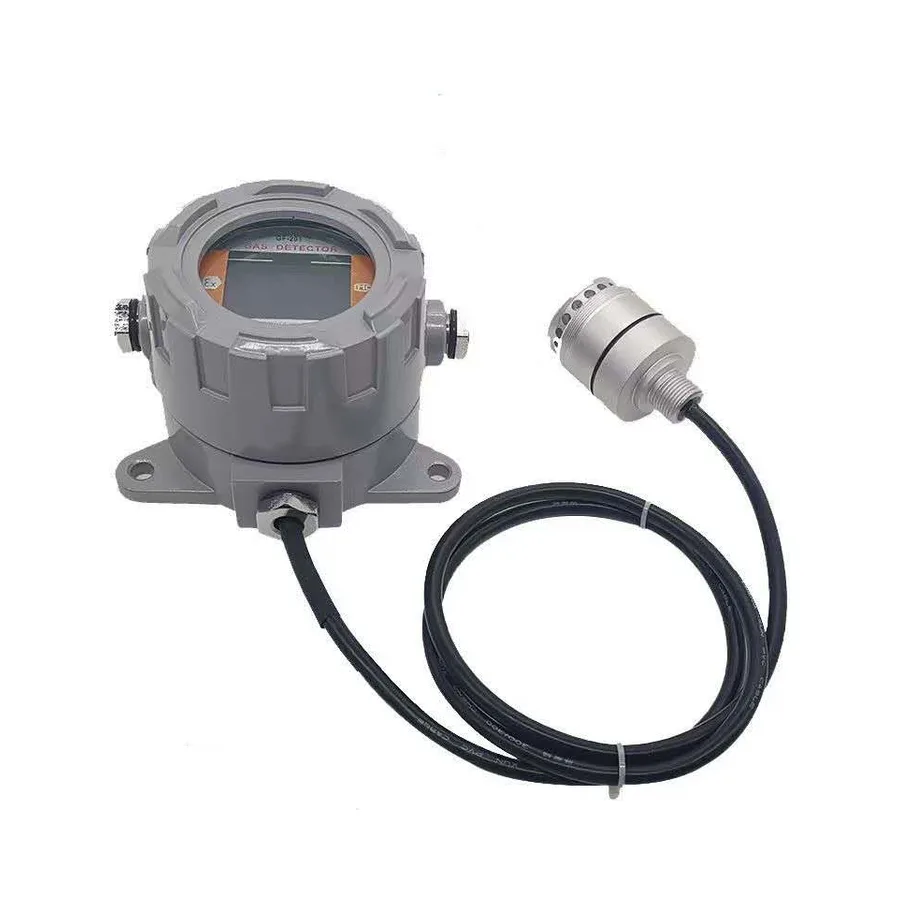
The GF-201-NH3 is a wall-mounted detector with a backlit display and two alarm relays, and its standard range is 0-100 ppm, with higher ranges on request. It suits a house where staff should read the level on the wall, where a siren or a light should be switched at the house, or where levels above 50 ppm are expected, as in manure handling areas.
Tell us the type of bird, the size of the house and how it is ventilated, and we will suggest how many sensors to fit and where to put them.
The sensor fixes in the house with its mounting bracket, and the cable enters through a cable gland. It wires to the Genesis controller over RS485 Modbus.
It measures 0-50 ppm with an electrochemical cell. That covers the 20 ppm limit EU Council Directive 2007/43/EC sets at the level of the chickens' heads for higher stocking densities.
Yes. The housing is stainless steel and waterproof, and the cable enters through a cable gland.
It reports to a Genesis controller over RS485 Modbus, and Henlytics sends a phone alert when ammonia crosses your limit. The alert repeats until someone acknowledges it.
THS-100
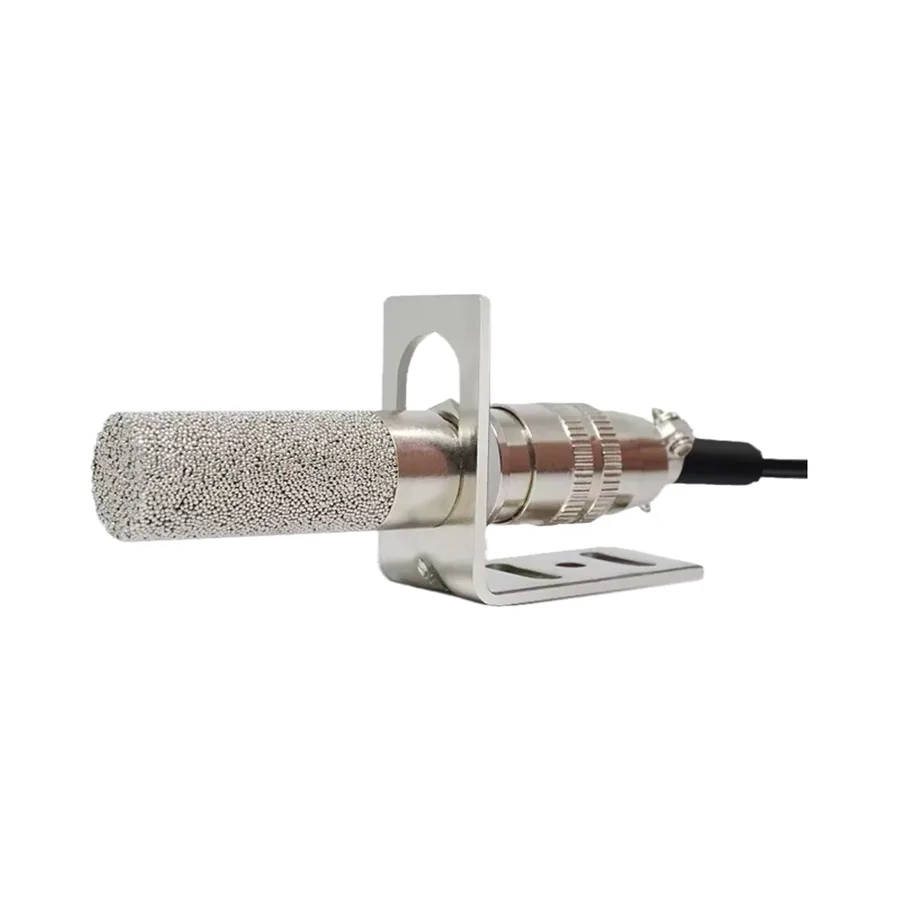
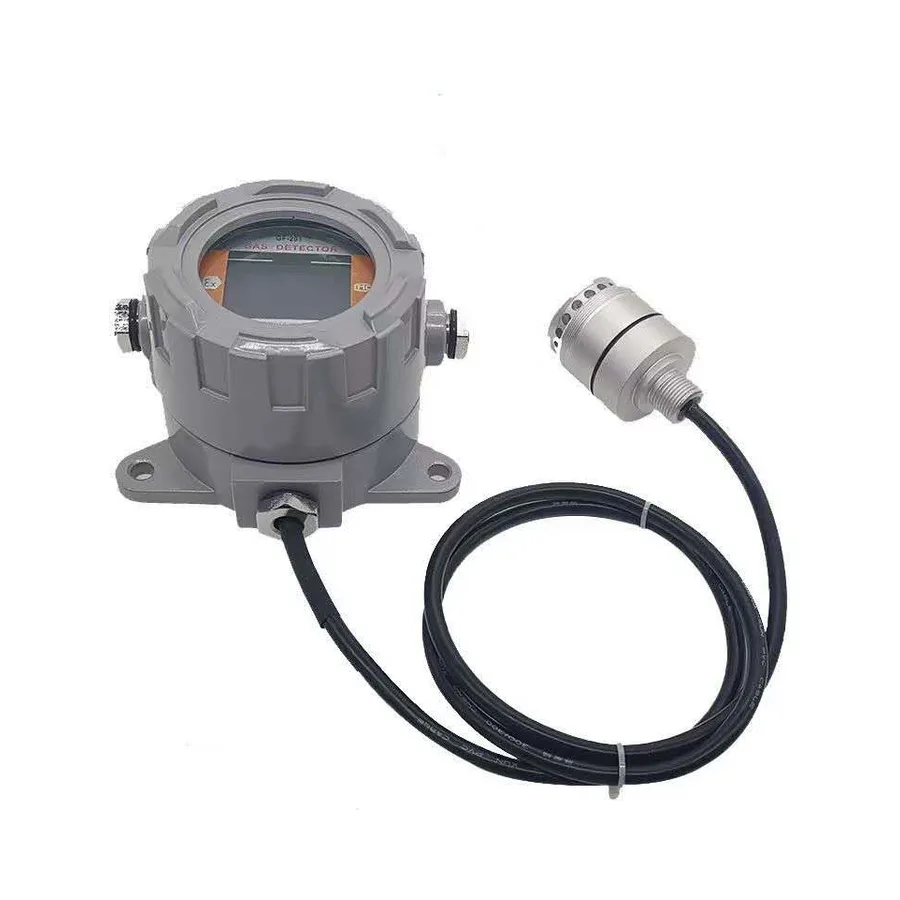
GF-201-NH3
GF-201-CO2
Send the number of houses, the birds and what you want to watch. You get a proposed set of sensors per house and a quote, with the datasheets.