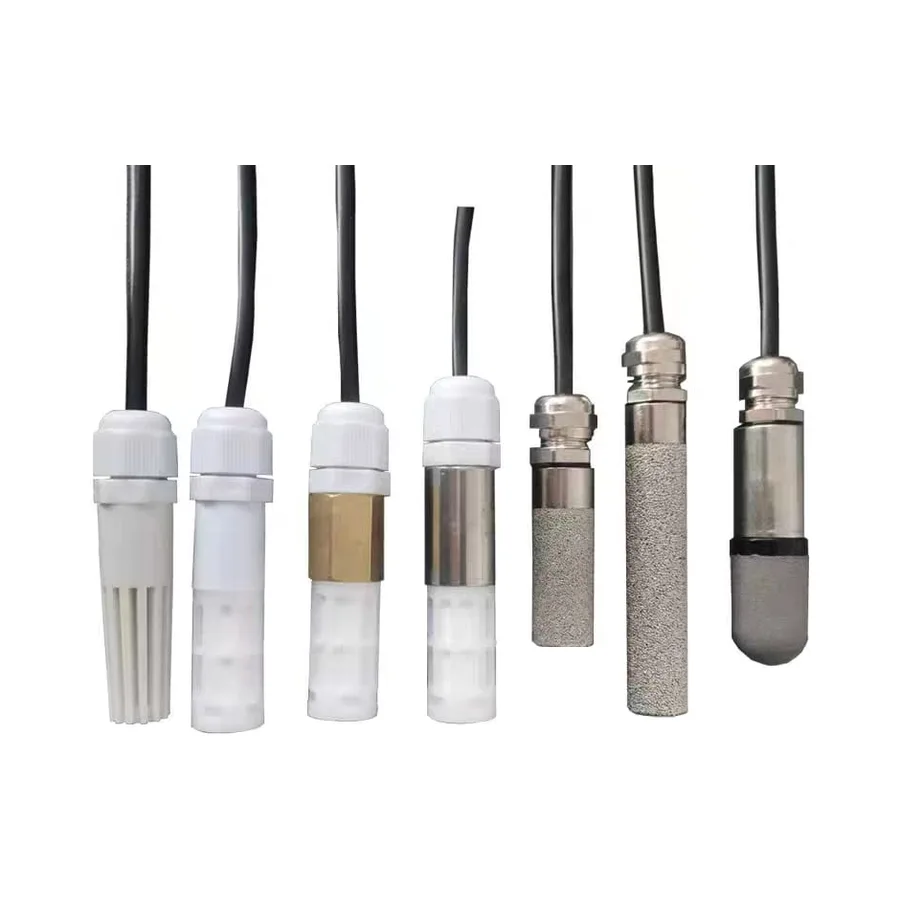
THS-100
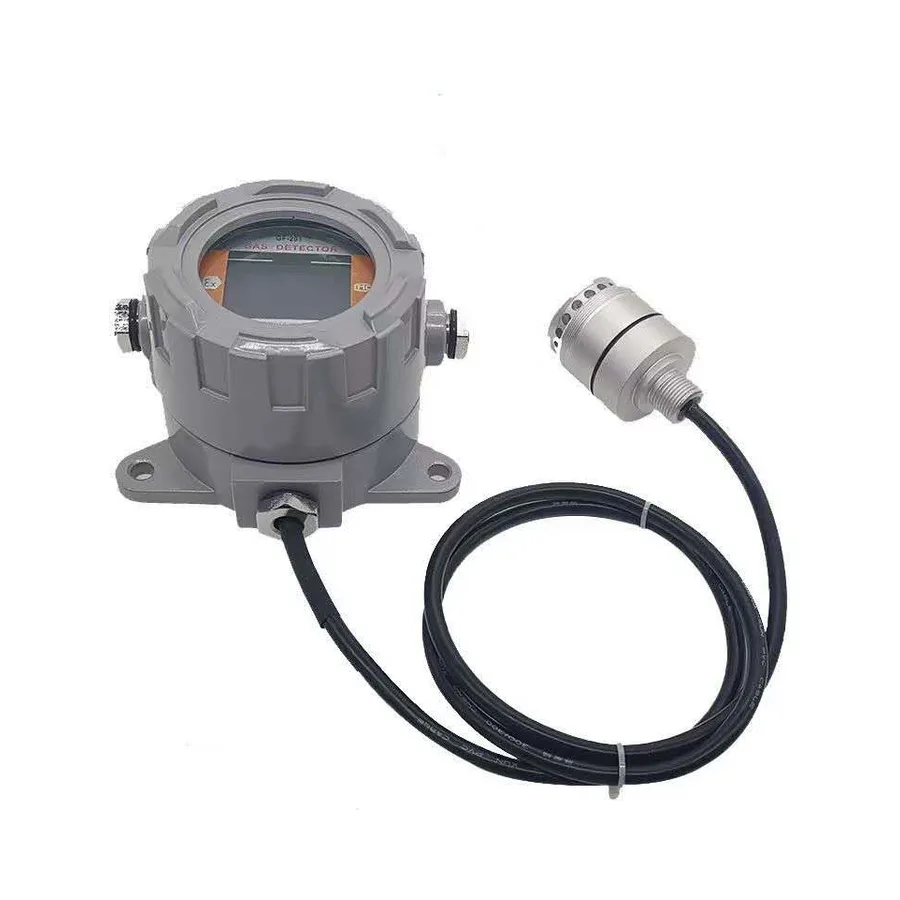
SKU: GF-201-NH3
Measures ammonia in the house from 0 to 100 ppm and switches two alarm relays.
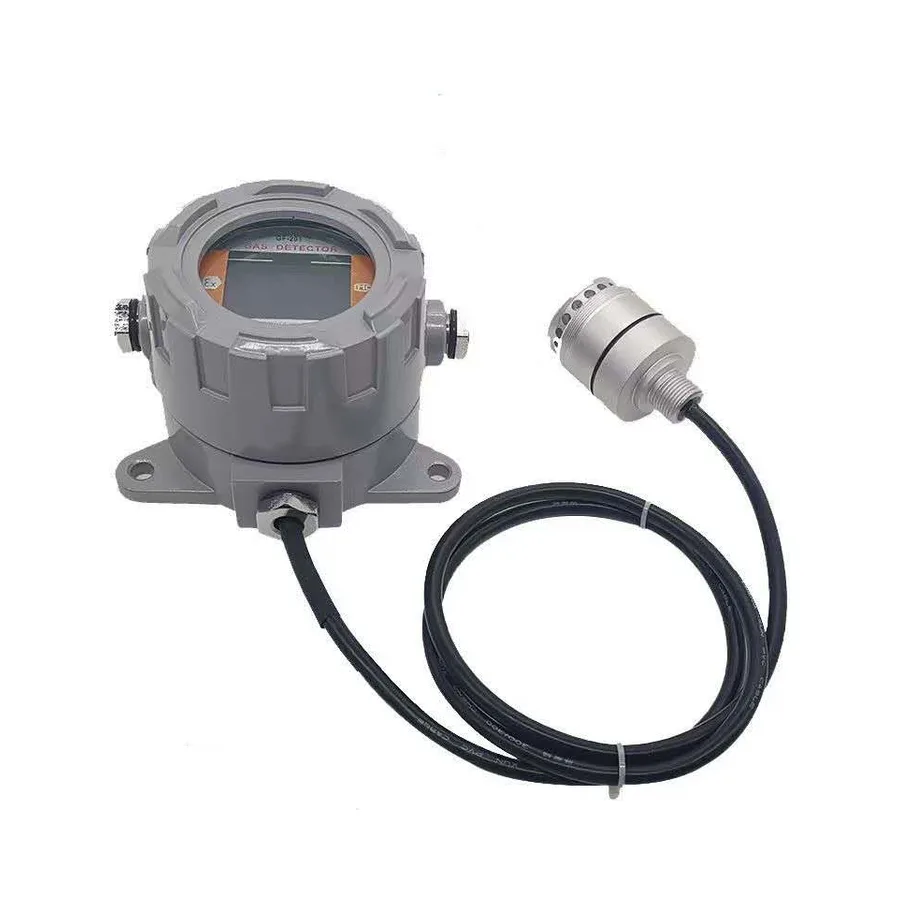
The GF-201-NH3 is a fixed ammonia detector. It stays on the wall of the poultry house and measures the gas day and night. House air reaches the sensing cell by diffusion, and the detector reads ammonia from 0 to 100 ppm in steps of 0.1 ppm. The level is shown on a backlit LCD on the front of the unit, so anyone who opens the door can read it before they have spent a minute inside.
Two alarm relays are built in, a low alarm and a high alarm, and each has a level that you set. When ammonia passes a level, the relay switches a siren, a warning light or another device. The electronics sit in a flameproof aluminium alloy enclosure rated IP65, which keeps out the dust and the water spray of a working house. Temperature compensation is automatic, so the reading holds from a warm brooding house to a cold night at the end of the flock.
Ammonia comes from the litter. Bacteria break down the uric acid in the droppings and release the gas, and they work faster when the litter is damp and warm. During the day the fans carry most of it out. On a cold night the house is closed, the fans run on the minimum setting to hold the heat, and less air is exchanged. Moisture stays in the litter, the bacteria keep working, and the ammonia level climbs through the hours when nobody is in the house.
By the time the grower walks in the next morning the fans have often stepped up and the level has fallen again. The nose is a poor gauge in any case, because it tires after a few minutes in the house and stops noticing the gas. A fixed detector measures through the whole night and reaches 90% of a change within 30 seconds, so a rise that lasts an hour is seen as it happened.
EU Council Directive 2007/43/EC, which covers chickens kept for meat, sets a limit of 20 ppm ammonia measured at the level of the chickens' heads for houses stocked at the higher densities. On the standard 0-100 ppm range that limit sits in the lower part of the scale, where the 0.1 ppm resolution shows small movements from one night to the next.
The gas matters to the birds long before it troubles a person. Ammonia irritates the eyes and the lining of the airways, and birds that breathe it for long periods are more open to respiratory disease. The damp litter that produces it is also the litter that burns footpads.
In a layer house the manure collects under the birds, on belts or in a pit, and the ammonia level follows the manure. It rises as the belts fill and falls after they run. It also rises when the drying air over the belts is not doing its work. A detector on the wall shows that pattern from day to day, and a level that climbs between two belt runs is a reason to look at the drying fans, the belt schedule and the drinkers above the belts.
Breeder flocks stay in the house for many months, and the litter in the scratch area and the manure under the slats build up for the whole of that time. The later months of a flock are usually harder on air quality than the first weeks. A fixed detector with a calibration routine suits a long flock, because the reading in the last month can be trusted as much as the reading in the first.
The two relays are meant for two different events. The low alarm is a working warning. Set it near the level you aim to keep the house below, and wire it to a light at the door or in the service room. When it comes on, the house needs more air or drier litter, and there is time to act during the same shift.
The high alarm is for the night when something has failed: a fan that tripped, inlets that stayed shut, a minimum ventilation timer left on the wrong setting after a visit. Wire it to a siren that is heard outside the house. Both relays are normally open, voltage-free contacts rated for AC 120 V 0.5 A or DC 24 V 1 A, so a small siren or lamp connects directly and a larger load goes through a contactor.
Ammonia is lighter than air, so the detector is mounted high on the house wall, 0.3-0.6 m below the ceiling and above the reach of the birds. Choose a place near a ventilation dead spot, where the air moves least and the gas collects. Keep the detector clear of splashing water, of jets of dust and of mechanical impact. In practice that means out of the air stream of an inlet, away from the outlet of a feed auger, and off the path of the loader and the catching crew.
The detector mounts on the wall and needs a 12-30 VDC supply. It draws no more than 2 W. Put it where the display can be read from the walkway, because a display that nobody passes is not read.
A reading taken high on the wall and a reading taken at bird height are two different numbers. It is worth walking the house with a handheld meter at bird height a few times in a flock and noting how the two compare, so that the alarm levels on the wall detector are set with that difference in mind.
Poultry dust is the first thing to watch. Keep the gas inlet of the sensing head free of dust and deposits, and wipe it when you pass on the daily walk. During wash-down, cover the detector and keep the pressure washer lance away from the sensing head.
The detector is calibrated at least once every six months, from the menu on the front panel, by trained personnel using certified gas. The zero is set in clean air with no ammonia present. The span is set with certified NH3 gas at a value near half of full scale, applied to the sensor for 2-3 minutes until the reading settles. After each calibration the alarms and the outputs are checked for a correct response. If a setting is changed by mistake, a menu option restores the factory calibration.
On a broiler farm the turnaround between flocks is the natural time for this work, when the house is empty, clean and aired. The sensing cell wears with use and is replaced at the end of its life, which keeps the detector accurate without replacing the whole unit.
The standard range of 0-100 ppm suits the inside of a poultry house. A 0-50 ppm range is available on request, and ranges of 0-200, 0-500 and 0-1000 ppm are available for places where ammonia runs much higher, such as manure handling and composting areas. Besides the relays, the detector gives a 4-20 mA signal for a climate computer that accepts a gas input.
Most houses start with one detector as the alarm point. A long house, or a house divided into rooms, may need a second one at the end where the air is slowest.
The GF-201-NH3 is the model for a house where the level should be shown on the wall and a siren should be switched by the detector itself. The NH3-210 is a compact ammonia sensor in a waterproof stainless steel housing that measures 0-50 ppm. It suits houses where a small measuring point on a bracket is wanted, or where several points along the house are planned. Tell us the house type, the length and the ventilation system, and we will suggest the model, the range and the position.
Ammonia is lighter than air, so the detector mounts high on the house wall, 0.3-0.6 m below the ceiling and above the birds' reach. Place it near ventilation dead spots where gas accumulates, clear of splashing water, dust jets and mechanical impact. It connects to the Genesis controller over RS485 and runs on 12-30 VDC.
The standard range is 0-100 ppm at 0.1 ppm resolution, which covers the 20 ppm limit in EU Council Directive 2007/43/EC with room above it. Ranges of 0-50, 0-200, 0-500 and 0-1000 ppm are available on request.
At least once every six months, with certified NH3 gas. Trained personnel calibrate it from the front-panel menu.
Yes: the display, the two alarm relays, the 4-20 mA output and RS485 Modbus-RTU work with a PLC or another controller. Connected to a Genesis controller, it also sends phone alerts and stores the history.
THS-100
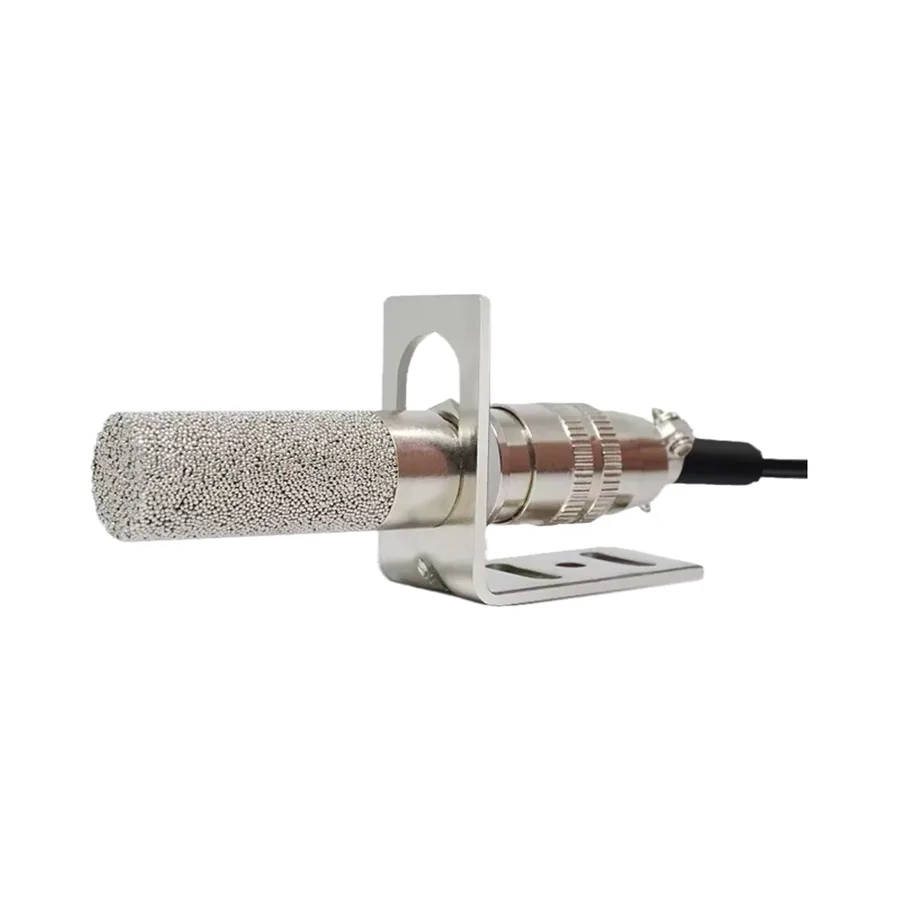
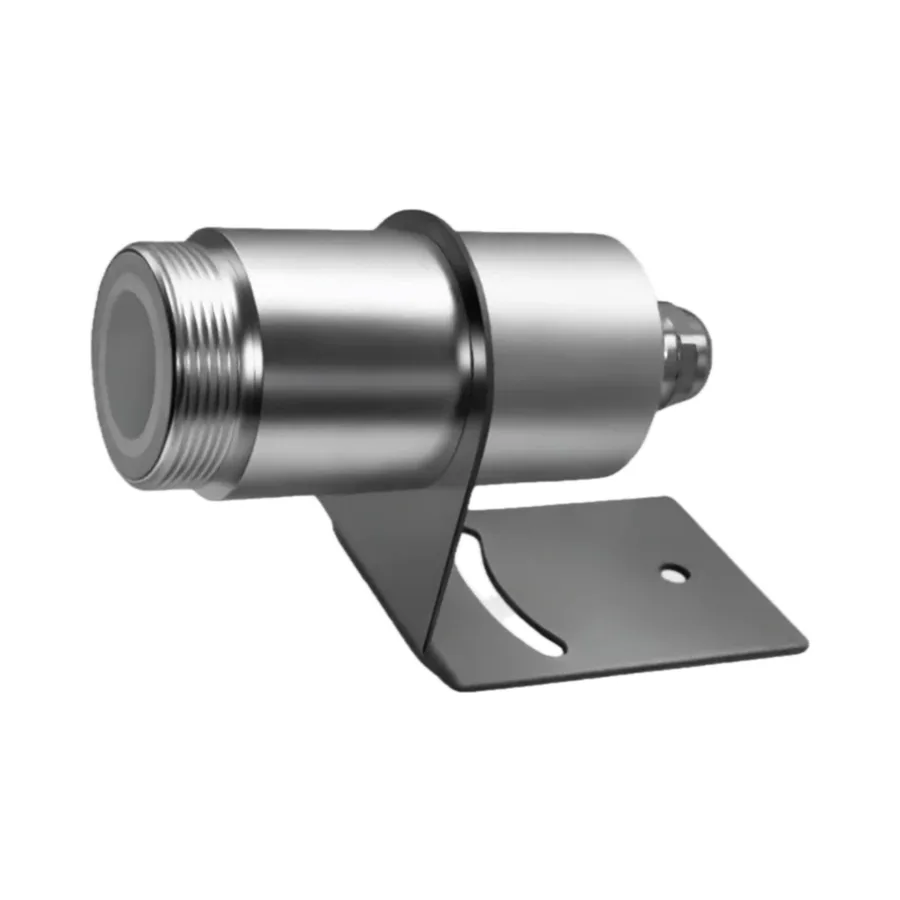
NH3-210
GF-201-CO2
Send the number of houses, the birds and what you want to watch. You get a proposed set of sensors per house and a quote, with the datasheets.