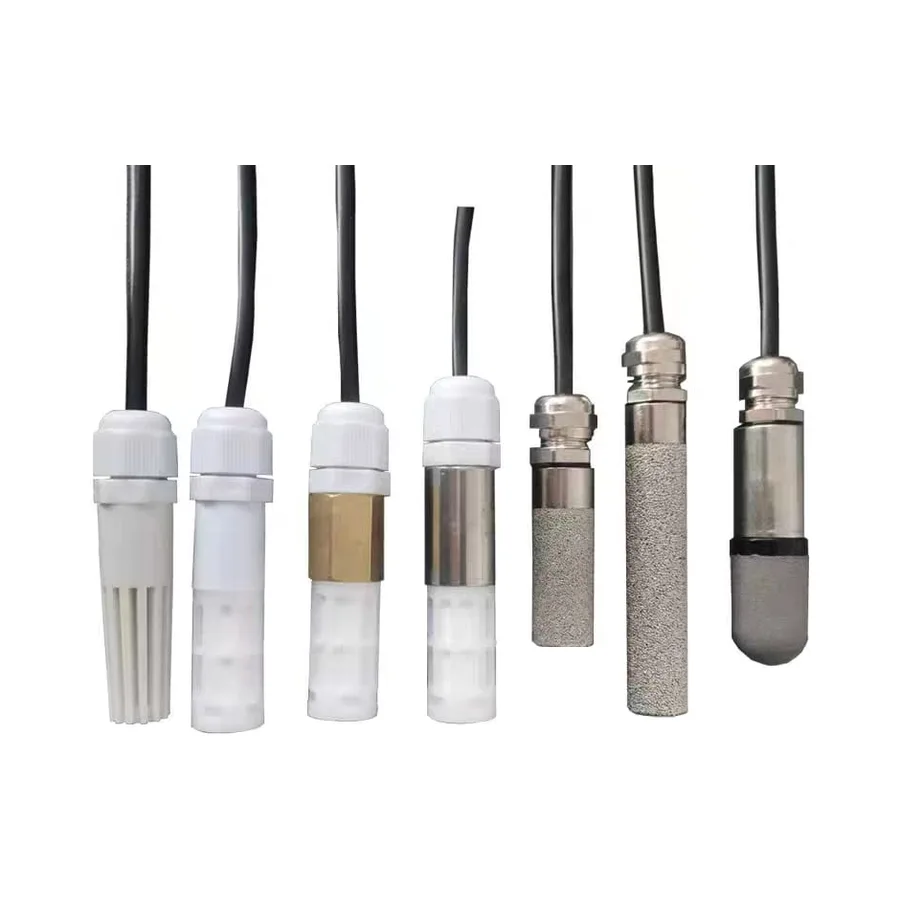
THS-100
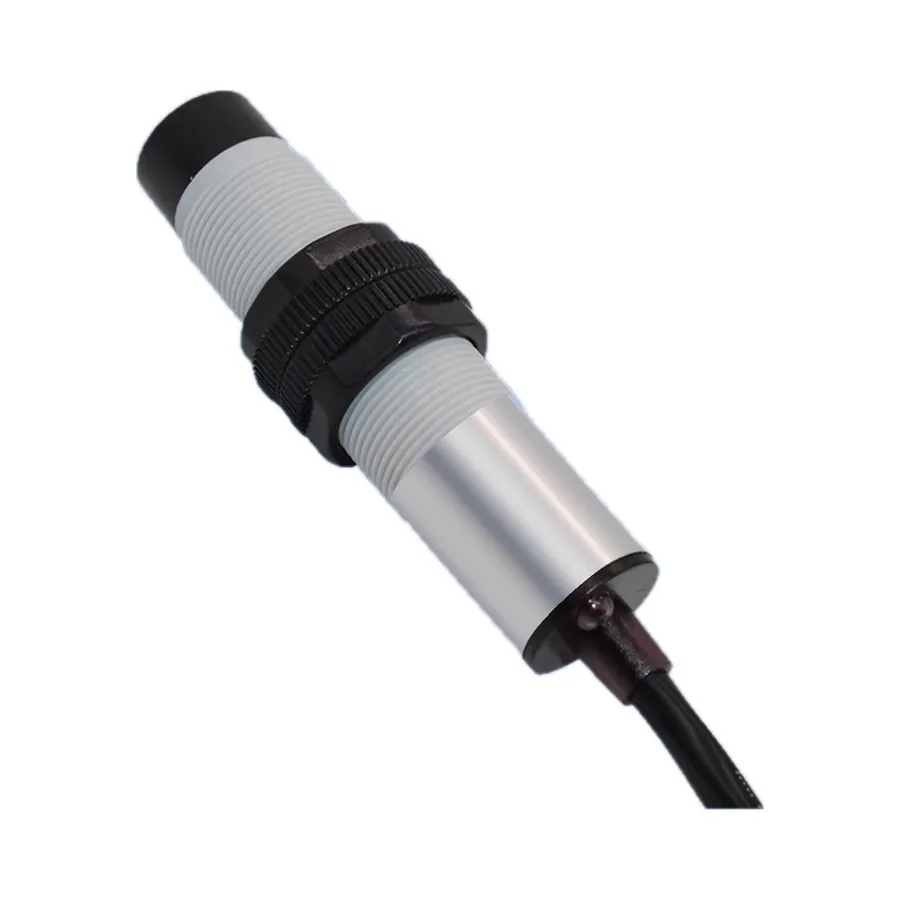
SKU: CO2-210
Compact infrared CO2 sensor, 0 to 5000 ppm, that shows whether minimum ventilation is enough.
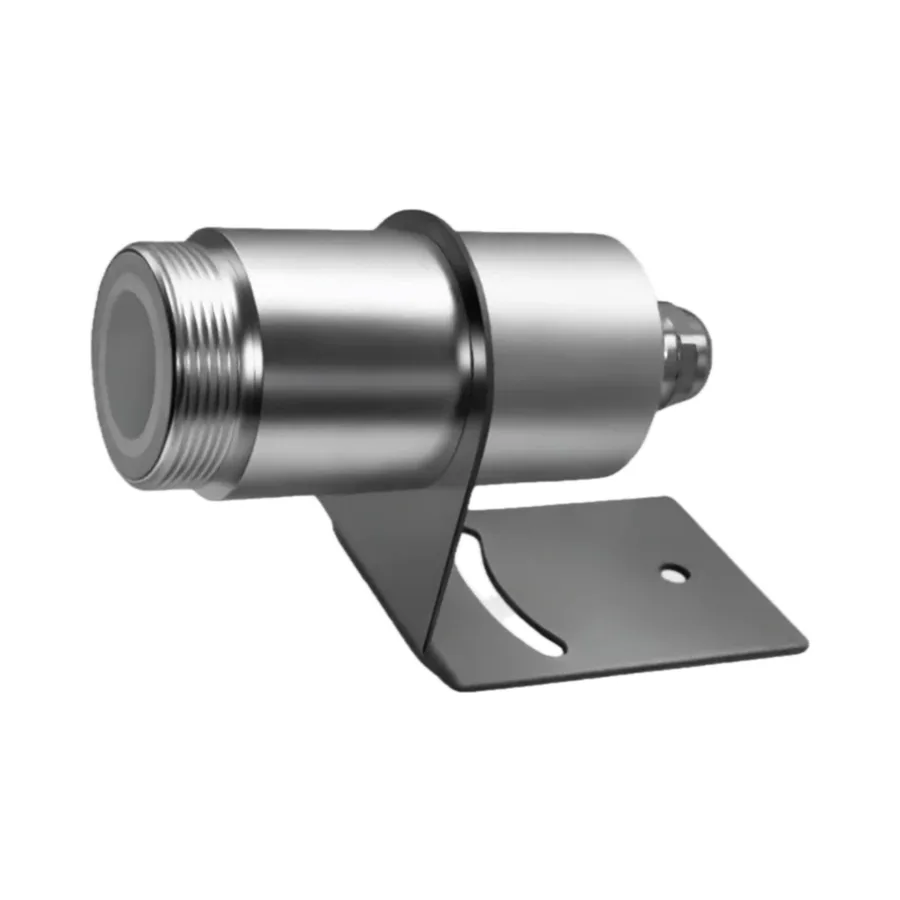
The CO2-210 is a compact carbon dioxide sensor for the air inside a poultry house. It measures CO2 from 0 to 5000 ppm by the infrared method known as NDIR. It is a small measuring point that is fixed in the bird area and left there for the whole flock, so that the CO2 level of the house is known at every hour of the day and night.
Growers rarely buy a CO2 sensor out of interest in the gas itself. They buy it because CO2 is the most direct sign of how much fresh air the house is getting. Temperature tells you whether the heating is keeping up. Carbon dioxide tells you whether the ventilation is.
NDIR stands for non-dispersive infrared. Inside the sensor a small lamp sends infrared light through a chamber that is open to the house air, and a detector at the other end measures how much light arrives. Carbon dioxide absorbs infrared light at one particular wavelength. The more CO2 there is in the chamber, the less light of that wavelength reaches the detector, and the sensor works out the concentration from the difference.
The method has two properties that matter in a poultry house. It is specific to carbon dioxide, so the ammonia and the disinfectant fumes in the same air are not read as CO2. It is also a physical measurement. Nothing inside the sensor is consumed by the gas, so the measuring element does not wear down with exposure the way a chemical cell does.
Minimum ventilation is the small amount of air a closed house must exchange in cold weather, whatever the temperature outside. It is usually run by a cycle timer: a few fans run for part of every few minutes and then rest. The setting is a compromise. With too little air, moisture and gases stay in the house. With too much, the heating bill rises and the floor cools.
The birds produce carbon dioxide all the time, so in a closed house the level rises while the fans rest and falls while they run. A sensor in the house shows this as a saw-tooth line. The shape of that line through a night is the information.
A broiler flock produces more carbon dioxide every day, because the birds are heavier every day. A minimum ventilation setting that was right on Monday is too low by the following Monday. The breed management handbooks give minimum ventilation rates by bird weight for this reason, and most growers raise the timer setting once or twice a week.
A CO2 reading shows whether those steps are keeping pace with the flock. On a farm that steps the timer up by habit every few days, the sensor may show that the house was already short of air two days before the planned step. In a cold week, when the temptation is to hold the setting and save gas, the reading shows what that saving does to the air.
EU Council Directive 2007/43/EC, which covers chickens kept for meat, sets a limit of 3000 ppm CO2 measured at the level of the chickens' heads for houses stocked at the higher densities. The CO2-210 measures up to 5000 ppm, so the limit and a wide margin above it are inside the range. A grower can work to a lower figure of his own and treat the limit as the level that should never be seen.
Brooding deserves a separate mention. In the first week the house is at its tightest and warmest, the fans are at their lowest setting, and direct-fired heaters add their own CO2 to the air. Chicks in air that is high in CO2 are sleepy and slow to eat and drink. The sensor is most useful in exactly these days, including the hours of preheating before the chicks arrive.
Many layer and breeder houses have little or no heating, which makes the CO2 reading simple to interpret. Nearly all of the carbon dioxide comes from the birds, and the number of birds changes slowly. The level therefore depends almost entirely on how much air the house exchanges.
In these houses the reading is most useful in winter. Ventilation is turned down to keep the house warm enough for the hens to hold production and feed intake, and the question each cold week is how far it can be turned down. A CO2 level that stays steady says the air is still being renewed. A level that climbs through the night says the house has been closed too far, and the ammonia and the humidity will follow.
The long life of these flocks is also a reason to measure. A setting that worked in the autumn can be wrong by midwinter, and a fixed sensor shows the change without anyone having to notice it by smell or by the feel of the air.
The reading should describe the air the birds are breathing. Carbon dioxide is heavier than air, and in a closed house with little air movement the level near the floor can be higher than the level at the height of a person's head. For that reason the sensor belongs in the bird area and close to bird level, out of reach of the birds themselves.
Three places give a wrong picture. In the stream of an air inlet the sensor reads fresh air. In the exhaust of a heater it reads combustion gas. In a dead corner behind equipment it reads air that has not been mixed with the rest of the house. A position in open space, about midway along the house and away from all three, gives a reading that stands for the flock. In a long house, a second sensor at the end furthest from the minimum ventilation fans shows whether the fresh air reaches that far.
The sensor needs the air to reach its measuring chamber, so the main care is to keep its openings clear of dust. Brush it off on the daily walk. Protect it from the pressure washer during clean-out. A simple check is available at every turnaround: with the house empty and fully aired, the reading should fall to the low, steady level of outdoor air. A sensor that still reads high in an empty, open house needs attention.
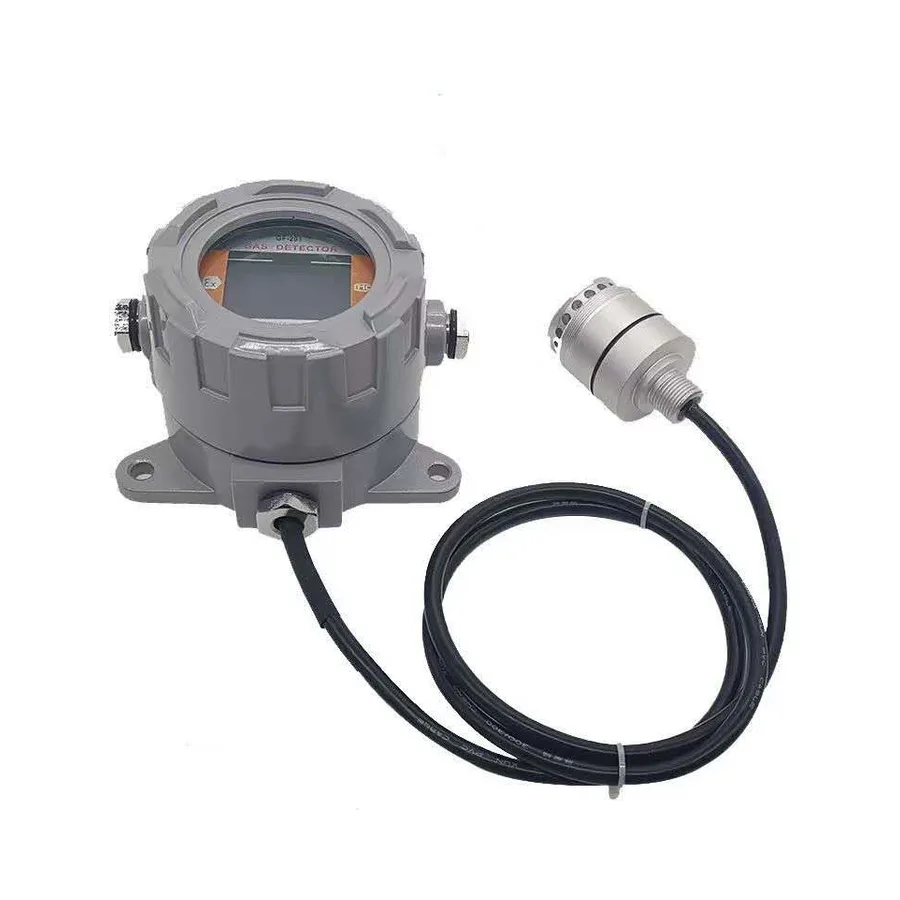
The CO2-210 is the choice when a compact measuring point for the house air is wanted in a broiler, layer or breeder house. The GF-201-CO2 measures the same 0-5000 ppm range in a wall-mounted detector with a backlit display and two alarm relays. It suits a house where staff should read the level on the wall or where a siren or light should be switched at the house. Tell us how the house is heated and ventilated, and we will suggest the model and where to place it.
The sensor measures the air inside the house and wires to the Genesis controller over RS485 Modbus.
It measures 0-5000 ppm by infrared (NDIR). EU Council Directive 2007/43/EC caps CO2 at 3000 ppm at the level of the chickens' heads for higher stocking densities, which is inside that range.
During brooding and on cold nights, when the house is closed and on minimum ventilation. A sensor fixed in the house shows the level through the whole night.
It wires to a Genesis controller over RS485 Modbus. Henlytics charts the reading and sends a phone alert when it crosses your limit.
THS-100
GF-201-NH3
NH3-210
Send the number of houses, the birds and what you want to watch. You get a proposed set of sensors per house and a quote, with the datasheets.