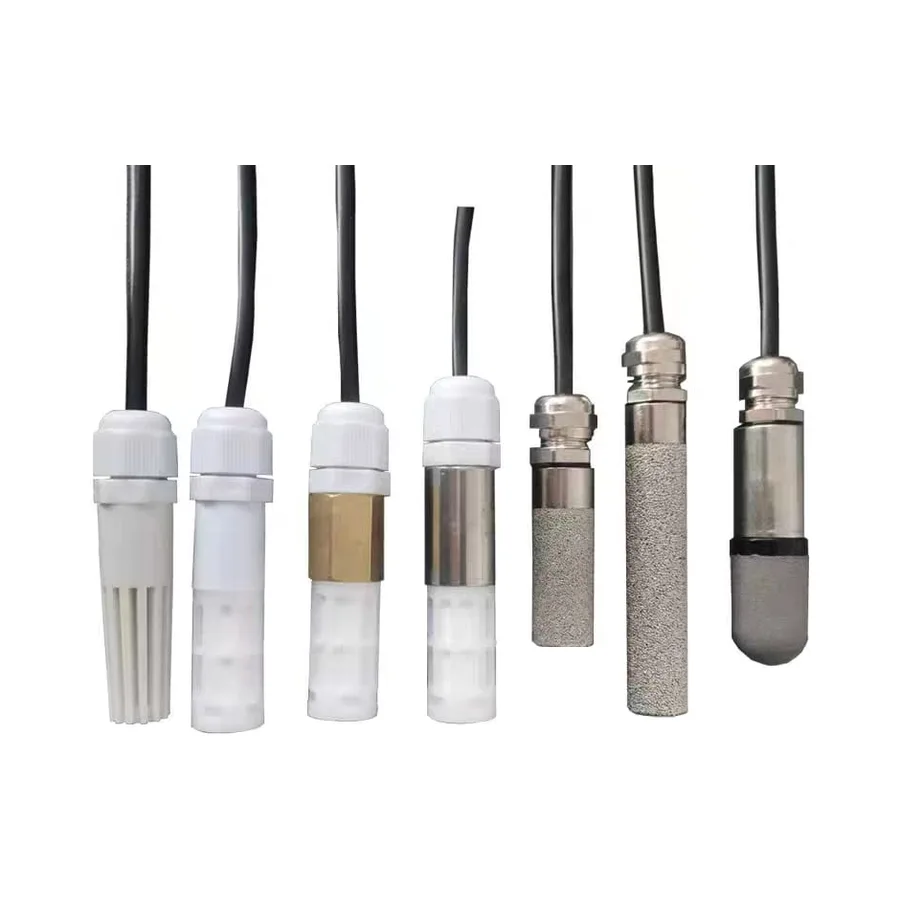
THS-100
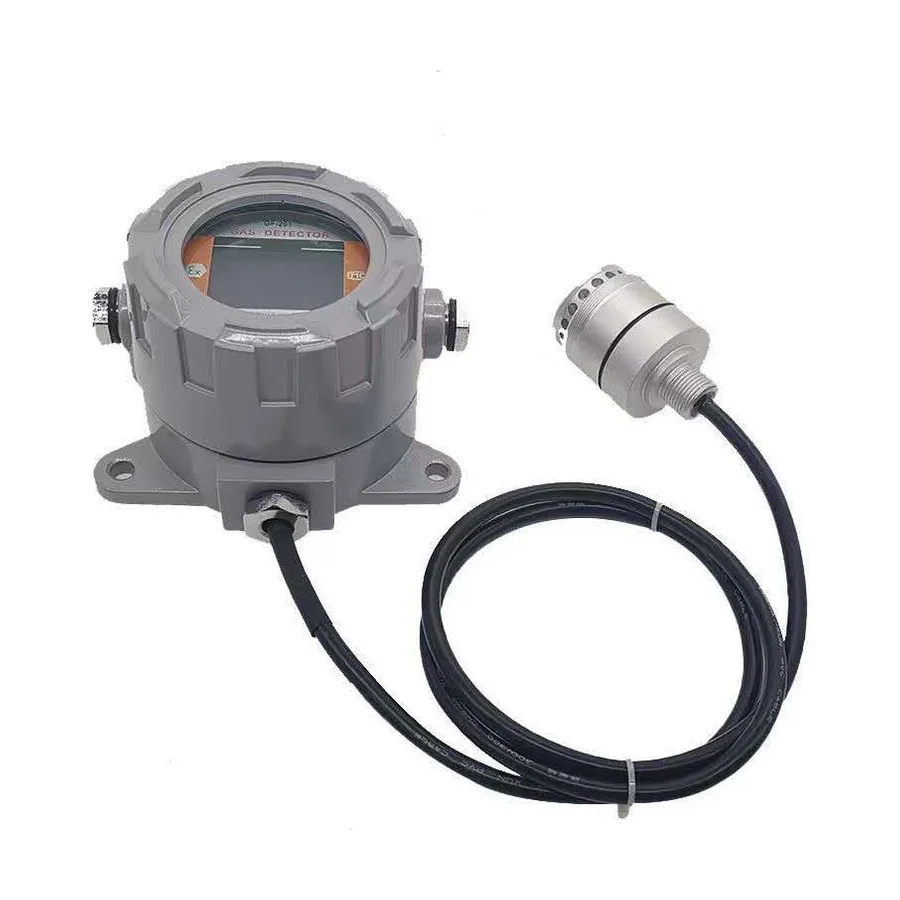
SKU: GF-201-CH4
Detects gas leaks from heaters and gas lines and switches a siren through two alarm relays.
The GF-201-CH4 is a fixed detector for methane and combustible gas. In a poultry house heated by gas it watches the air around the heaters and the gas line for a leak. It measures from 0 to 100 %LEL in steps of 0.1 %LEL, shows the reading on a backlit LCD, and switches two alarm relays, a low alarm and a high alarm, at the levels you set.
It is a safety instrument, and it is built as one. The electronics sit in a flameproof aluminium alloy enclosure with an Ex d IIC T6 rating. In plain terms, the enclosure is built to contain any spark inside it, so that the detector does not become a source of ignition for the gas it is there to find. The enclosure is rated IP65 against dust and water spray, and the unit works from -20 to 50 °C, which covers an unheated service room in winter as well as a brooding house.
A combustible gas burns only when it is mixed with air in the right proportion. Below a certain concentration the mixture is too lean to ignite. That concentration is the lower explosive limit, or LEL. A gas detector for safety work does not show ppm. It shows how far the air has come towards that limit, as a percentage.
A reading of 0 %LEL means no gas. A reading of 100 %LEL means the air has reached the lowest concentration at which the gas can ignite. Everything a grower wants to know happens in the low part of the scale, and the alarm levels are set well below 100 so that the siren sounds while the mixture is still far too lean to burn. The detector resolves 0.1 %LEL and reaches 90% of a change within 25 seconds, so a leak shows on the display while it is still small.
The right alarm levels for a site depend on the local gas safety rules and on the advice of the gas installer. Both levels are set from the front panel.
A poultry house is hard on gas equipment. The air is humid and carries ammonia, which corrodes fittings. The house is pressure washed and disinfected several times a year. Brooders and hoses are raised on winches, lowered again, moved for clean-out and reconnected for the next flock. Rodents chew flexible hoses. Each of these gives a joint or a hose a chance to start leaking.
The risk is highest when the heaters work hardest. During preheating and the first week of a flock the heaters run day and night, the house is closed to hold the heat, and the fans move the least air of the whole cycle. A small leak that would be diluted and carried out in summer stays in the house on a winter night in brooding week. The chicks are on the floor and the grower is asleep.
A leak does not have to be large to matter. A heater whose flame has gone out, a regulator that weeps, or a hose that has cracked where it bends on the winch can release gas for hours before anyone enters the house. A fixed detector is the only thing in the house that is measuring during those hours.
The two relays allow two stages of response. The low alarm is the early warning. It can switch a warning light at the door, so that the next person to arrive knows there is gas in the house before opening up and reaching for a switch. The high alarm is the stage that has to wake somebody, and it belongs on a siren that is heard at the farmhouse.
Both relays are normally open with voltage-free contacts, rated for AC 120 V 0.5 A or DC 24 V 1 A. The contacts wire into the siren circuit, and a load above the rating is switched through a contactor. The detector also provides a 4-20 mA signal for a site whose alarm panel takes an analogue input.
Agree in advance what the alarm means for the people on the farm. The usual sequence is to close the main gas valve outside the house, ventilate the house, keep every source of ignition away, and have a qualified gas fitter find and repair the leak before the heaters are lit again. Write it down and put it where the night staff will see it.
Methane is lighter than air and rises, so the detector is mounted high, 0.3-0.6 m below the ceiling, above the likely release points such as the valves on the gas line. Gas from a leak drifts upward and collects under the ceiling, and a detector placed above the source meets it early.
Keep the detector clear of ventilation outlets. Moving air dilutes the gas at that spot, and the reading there is lower than the level in the rest of the house. Keep it clear as well of splashing water, oil and mechanical impact. The detector mounts on the wall and runs on a 12-30 VDC supply, drawing no more than 2 W.
Not every heating fuel behaves like methane. A fuel that is heavier than air sinks and collects low in the house, and the detector position has to follow it. Tell us which fuel your heaters burn, and we will confirm the detector and its mounting position for that gas.
A leak detector may wait years for the one event it was installed for, and it has to respond on that day. Regular calibration is what keeps it ready. The detector is calibrated at least once every six months, from the front-panel menu, by trained personnel using certified gas.
The zero is set in clean air with no gas present. The span is set with certified CH4 gas at a value near half of full scale, applied to the sensor for 2-3 minutes until the reading is stable. After each calibration, the response of the alarms and the outputs is verified. This is the moment to hear the siren sound and see the lamp light, so that the whole chain from the sensor to the siren is proven. A menu option restores the factory calibration if a setting has been changed in error.
Between calibrations the care is simple. Keep the gas inlet of the sensing head free of dust and deposits, and cover the detector during wash-down. The sensing cell is replaced at the end of its life. On a broiler or breeder farm, the days before heaters are lit for a new flock are a good time for all of this, together with the leak check of the gas line itself.
The number depends on how the gas is distributed. A house with a single gas line and a row of brooders under one ceiling is covered differently from a house with heaters at both ends and a service room where the supply comes in. As a rule, each area where gas could collect under a ceiling without reaching a detector needs a detector of its own. The standard range is 0-100 %LEL, and ranges of 0-10 %VOL and 0-50 %VOL are available on request.
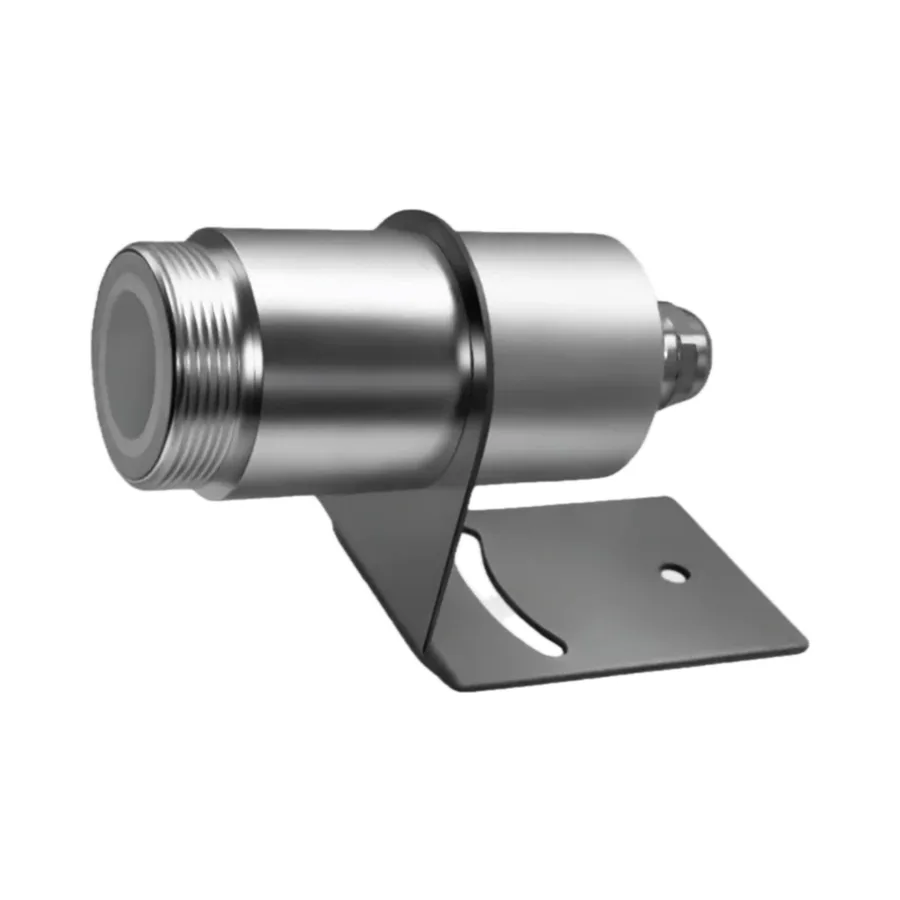
The GF-201-CH4 is the model for a house or service room that needs a complete alarm point: a display, two alarm stages, relay contacts for a siren and a flameproof enclosure. The CH4-210 is a compact combustible gas sensor with a threaded stainless steel head, 35 × 68 mm, made for the heaters and the gas line. It suits places where a small sensing head close to the equipment is wanted. Tell us the fuel, the type of heaters and the layout of the gas line, and we will suggest the detectors and where to mount them.
Methane is lighter than air, so the detector mounts high, 0.3-0.6 m below the ceiling, above likely release points such as valves on the gas line. Keep it clear of ventilation outlets that dilute the reading, and of splashing water, oil and mechanical impact. It connects to the Genesis controller over RS485 and runs on 12-30 VDC, and the voltage-free relay contacts wire to the siren circuit.
The target gas is methane and combustible gas (CH4) on a 0-100 %LEL scale, calibrated with certified CH4 gas. Tell us which fuel your heaters burn when you ask for a quote, and we will confirm the detector and its mounting position for that gas.
Yes. Two normally open relays, a low alarm and a high alarm rated AC 120 V 0.5 A / DC 24 V 1 A, switch a local siren or light at the levels you configure.
Calibrate it at least once every six months with certified CH4 gas, from the front-panel menu. Trained personnel do the work and verify the alarm and output response afterwards.
THS-100
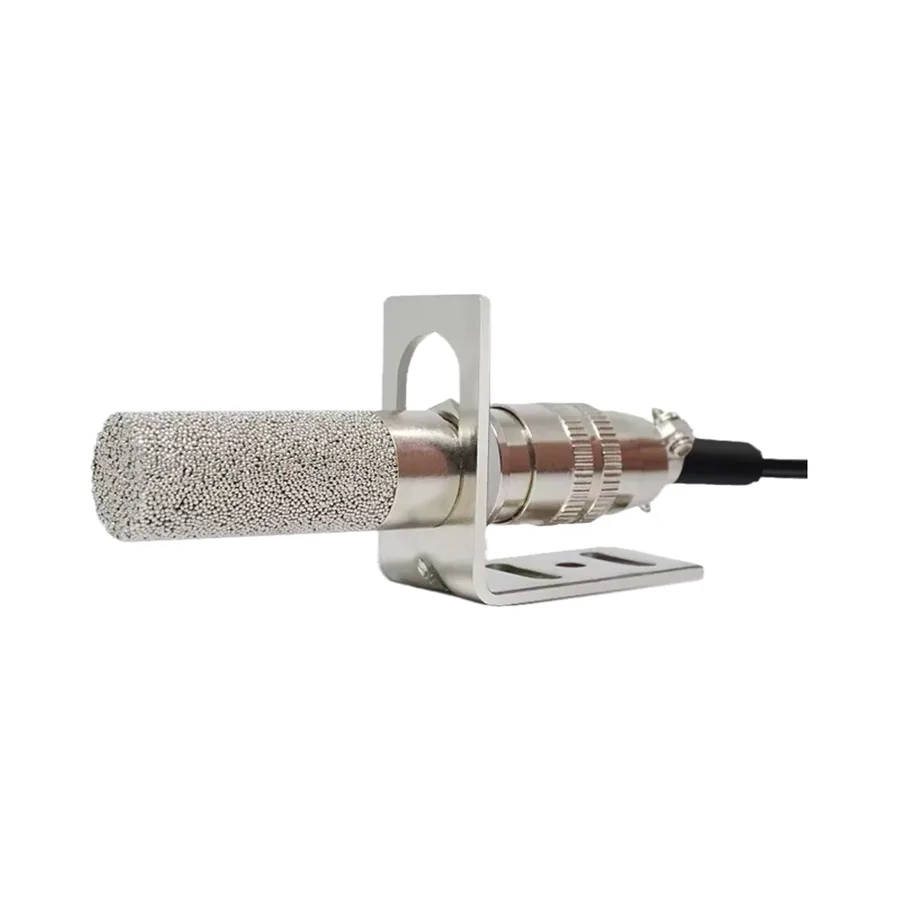
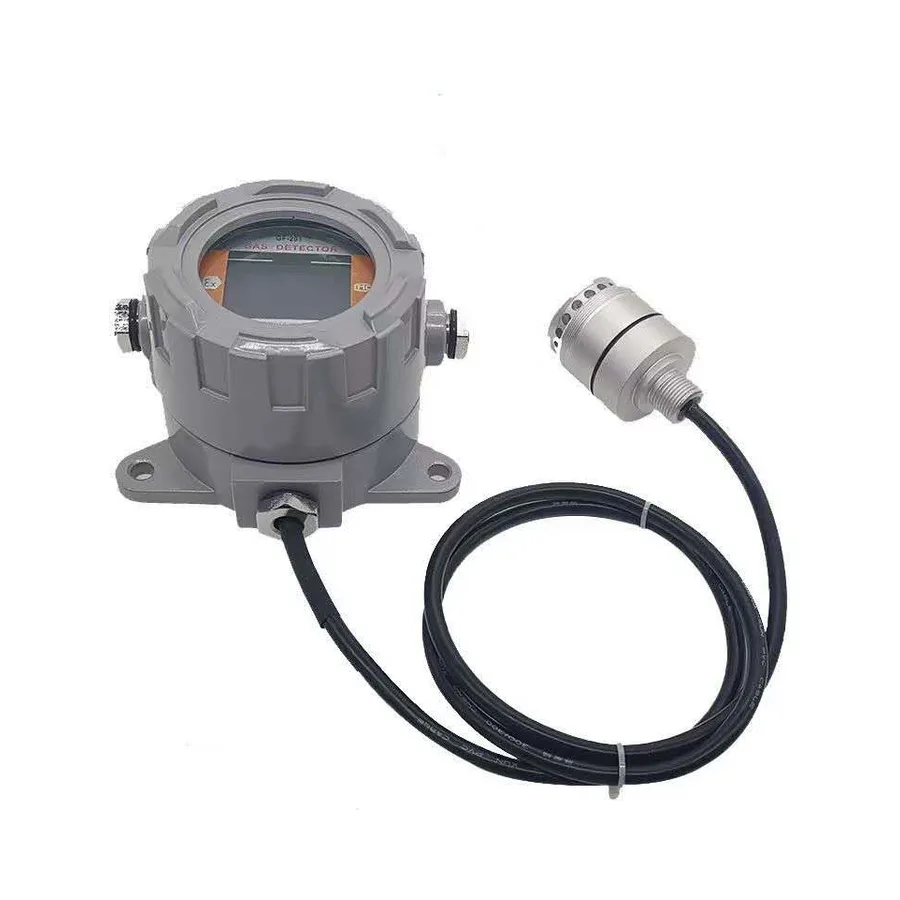
GF-201-NH3
NH3-210
Send the number of houses, the birds and what you want to watch. You get a proposed set of sensors per house and a quote, with the datasheets.