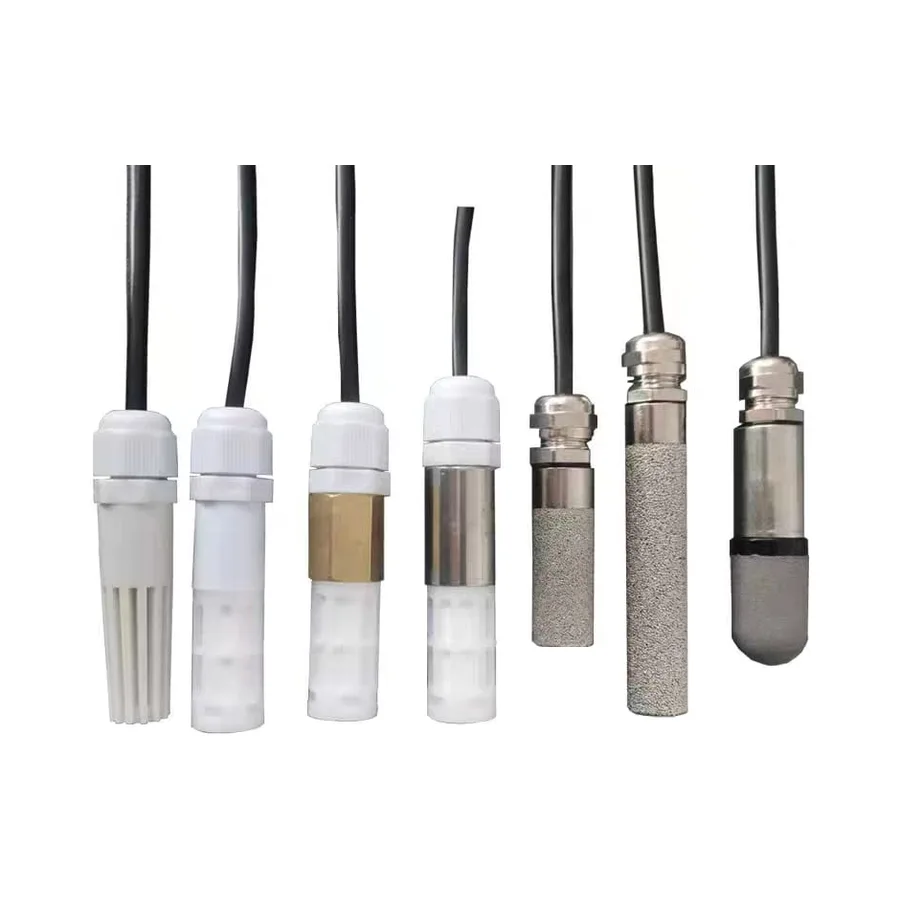
THS-100
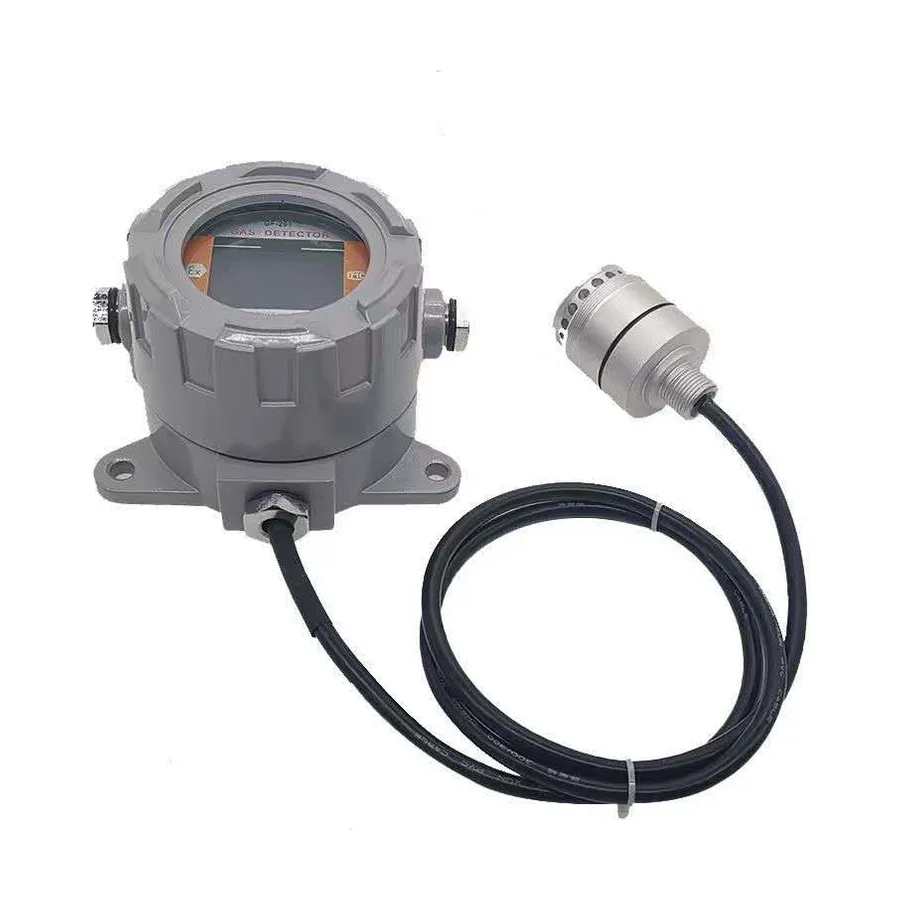
SKU: GF-201
Hydrogen sulfide detector for manure pits, manure belts and deep litter, with two alarm relays.
The GF-201 is a fixed gas detector for hydrogen sulfide (H2S). It is bolted to a wall at the place where the gas is expected and stays there, measuring all day and all night. An electrochemical cell inside the sensing head reacts with the hydrogen sulfide that drifts into it and produces a small current in proportion to the concentration. The detector shows that concentration on a backlit display, from 0 to 100 ppm in steps of 1 ppm.
Two alarm relays are built in, one for a low level and one for a high level, and both levels are set by the user. On a poultry farm the relays usually switch a siren or a warning light at the entrance to the manure area, so the warning is given where the people are.
Hydrogen sulfide is made by bacteria that break down manure in the absence of air. Dry, well-aired manure produces little of it. Wet manure that sits in a pit, a channel, a sump or a thick caked layer produces it steadily, and much of the gas stays trapped in the mass as bubbles and dissolved gas.
The trapped gas is the problem. As long as the manure lies still, the air above it may carry only a trace. When the manure is stirred, pumped, scraped or dug out, the gas comes out in a short time, and the concentration in the air above can climb within minutes.
The gas is heavier than air. It collects in the lowest places: the pit itself, the channel under a scraper, a pump sump, the floor of a closed manure room. It smells of rotten eggs at low levels, but the nose tires of it as exposure goes on, and a person who has been working in the smell for a while can no longer judge whether it is rising. Hydrogen sulfide is toxic to people and to birds, and at high concentrations it overcomes a person quickly.
Most farms know the smell and treat it as part of the work. The moments that deserve a detector are the ones when manure that has been lying still is moved.
On an ordinary day the display reads zero or close to it, and nobody thinks about the detector. Its value is on the days when manure is handled. Before anyone goes down to the pit or opens the manure room, the display at the entrance shows the concentration inside in ppm. If the low alarm light is on, the area is ventilated first and the work waits.
During the work the detector keeps measuring. Its response time is 60 seconds or less to reach 90 percent of a change, which is quick enough to catch the rise that follows the start of agitation. When the high alarm relay closes and the siren sounds, people leave the area and let the ventilation clear it before going back.
The alarm levels are chosen by the farm. The workplace exposure limits for hydrogen sulfide in your country are the right starting point, and your safety officer or occupational health adviser can confirm the two levels to set. A common arrangement is a low level that means "ventilate and check" and a high level that means "leave now".
A detector gives a warning. Safe entry to a pit or tank still depends on ventilation, on the entry procedure of the farm and on a second person standing outside.
Because hydrogen sulfide is heavier than air, the detector is mounted low, 0.3-0.6 m above floor level, and close to the points where the gas is likely to be released. In a manure room that is near the discharge of the belts or the cross conveyor. At a pit it is beside the agitation or pumping point, on the side where the floor falls away.
Keep the sensing head clear of splashing water, oil and mechanical impact. A detector mounted at shin height beside a loader route needs a guard or a recess. Leave room around it so that a technician can reach the cover and apply calibration gas.
The housing is flameproof aluminium alloy, certified Ex d IIC T6 and sealed to IP65, so it can be installed in manure and biogas areas that are classed as hazardous. It works from -20 to 50 °C and from 10 to 95 percent relative humidity without condensation, which covers an unheated manure room through the year.
The siren and the light belong outside the area, at the door a person would use to enter. The detector measures at the low point and the warning is given at the entrance.
An electrochemical cell is a consumable. It drifts slowly with age and exposure, and the only way to know that a reading of 10 ppm means 10 ppm is to test it with gas of a known concentration.
The detector is calibrated from its front-panel menu at least once every six months, by trained personnel using certified hydrogen sulfide gas. The zero point is set in clean air. The span is then set by applying calibration gas, ideally at about half of full scale, for two to three minutes until the reading settles. After each calibration the alarm relays and the outputs are checked, so that the siren is proven along with the number on the display.
Between calibrations the routine is short. Keep the gas inlet of the sensing head free of dust, dried manure and cobwebs, because a blocked inlet slows the response. Look at the display when you pass it. A reading that sits above zero in clean air, or never moves when manure is being handled nearby, is a reason to bring the calibration forward. When the cell reaches the end of its life it is replaced, and the detector is calibrated again with the new cell.
A fixed detector covers the space around it, so the count follows the number of separate places where manure is stored wet or moved. A layer farm with belts and a single manure room usually starts with one detector in that room. A farm with a deep pit under each house, or with a liquid manure pit and a pump sump some distance apart, fits one at each.
The standard detector samples by diffusion: the air around the sensing head reaches the cell by itself. For a point that cannot be reached with a wall-mounted unit, such as a covered channel or a duct, the detector can be supplied with pump-suction sampling or mounted in line on a pipe.
Besides the display and the relays, the detector has a 4-20 mA output and a digital output for farms that want the reading on their own alarm panel or recorded with the rest of the house data. Send us a sketch of the manure system, with the pits, belts, conveyors and rooms marked, and we will propose the detector positions and the sampling method for each one.
H2S is heavier than air, so the detector mounts low, 0.3-0.6 m above floor level, close to likely release points. Keep it clear of splashing water, oil and mechanical impact, and leave access space around it for service. It connects to the Genesis controller over RS485 and runs on 12-30 VDC.
Mount it low, 0.3-0.6 m above floor level, because H2S is heavier than air. Place it close to likely release points such as the manure pit, the end of a manure belt or the manure room.
The response time is 60 seconds or less (T90). The detector measures continuously and switches its low and high alarm relays at the levels you configure.
At least once every six months, from the front-panel menu, by trained personnel using certified H2S gas. The electrochemical cell is replaced at the end of its life to keep the accuracy.
THS-100
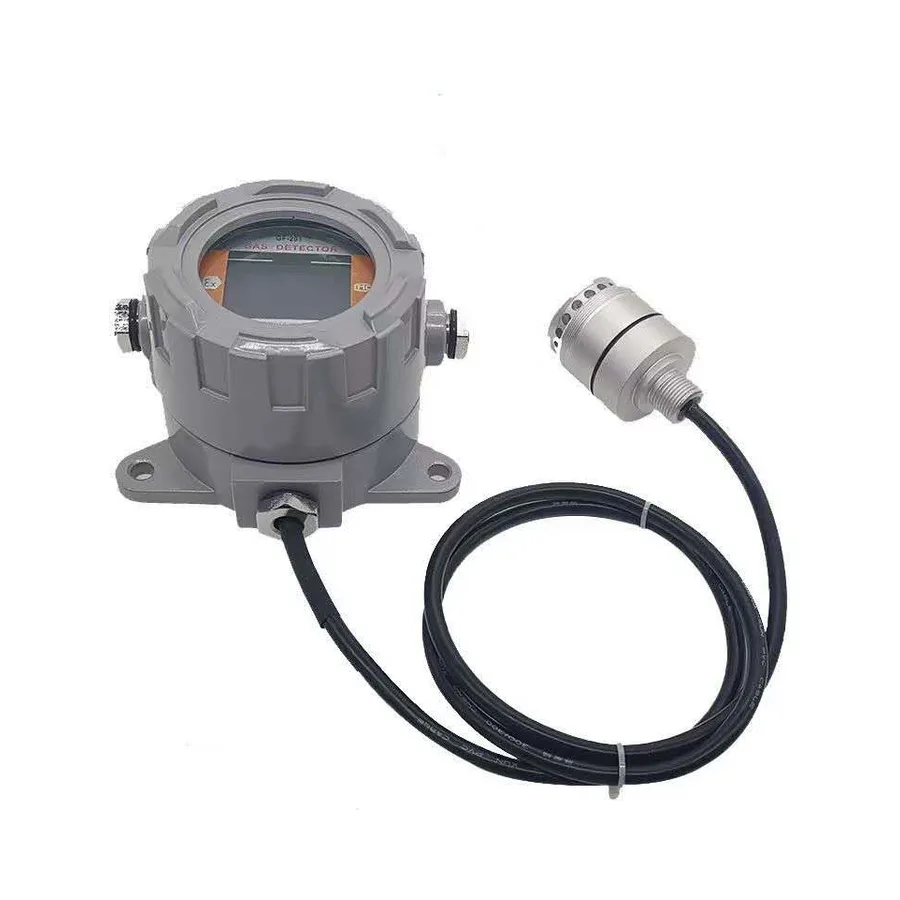
GF-201-NH3
NH3-210
Send the number of houses, the birds and what you want to watch. You get a proposed set of sensors per house and a quote, with the datasheets.