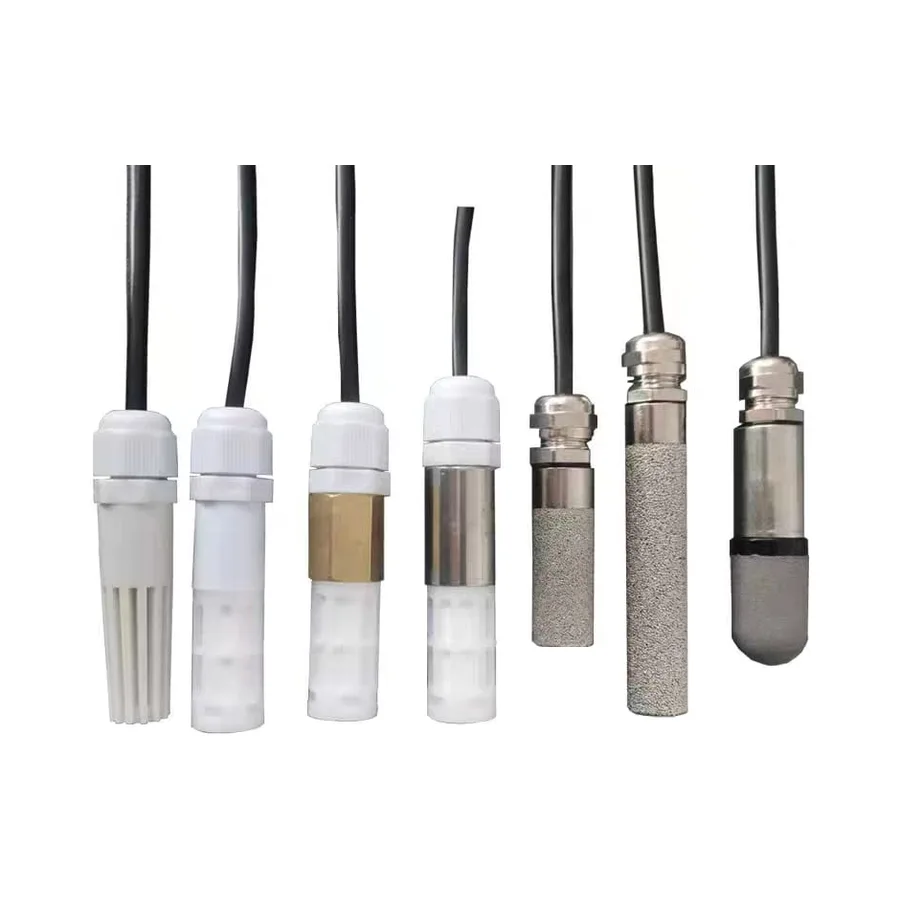
THS-100
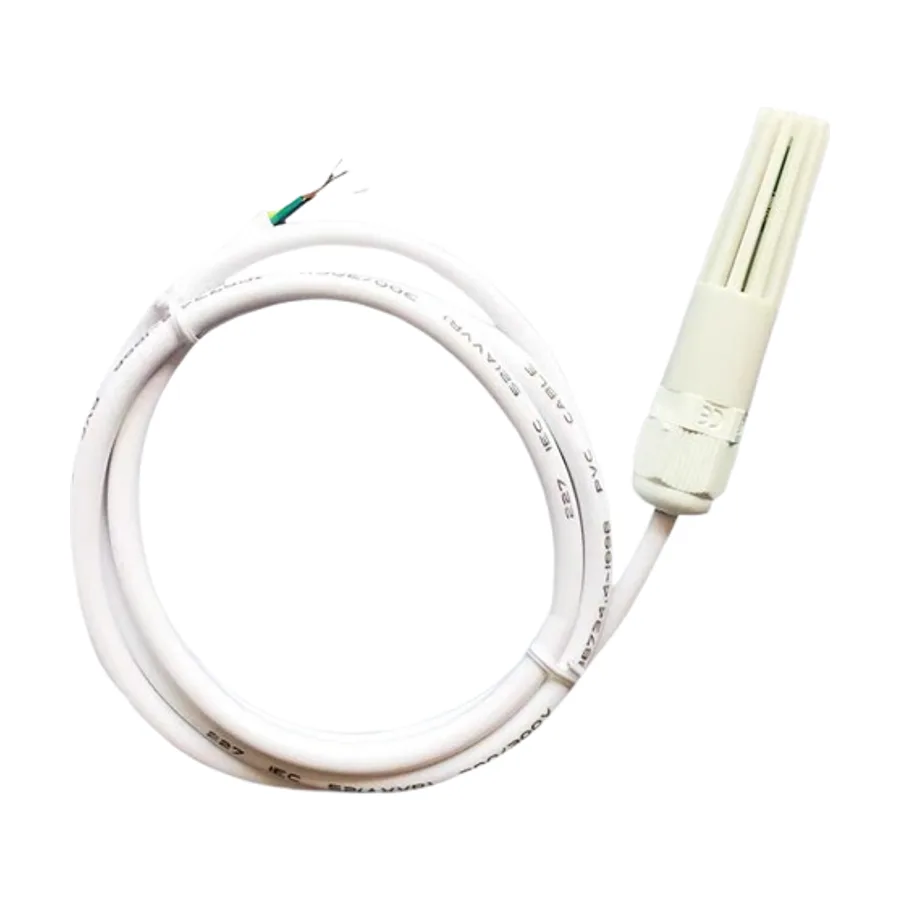
SKU: TVOC-100
Indoor sensor that tracks odour as a trend of volatile organic compounds.
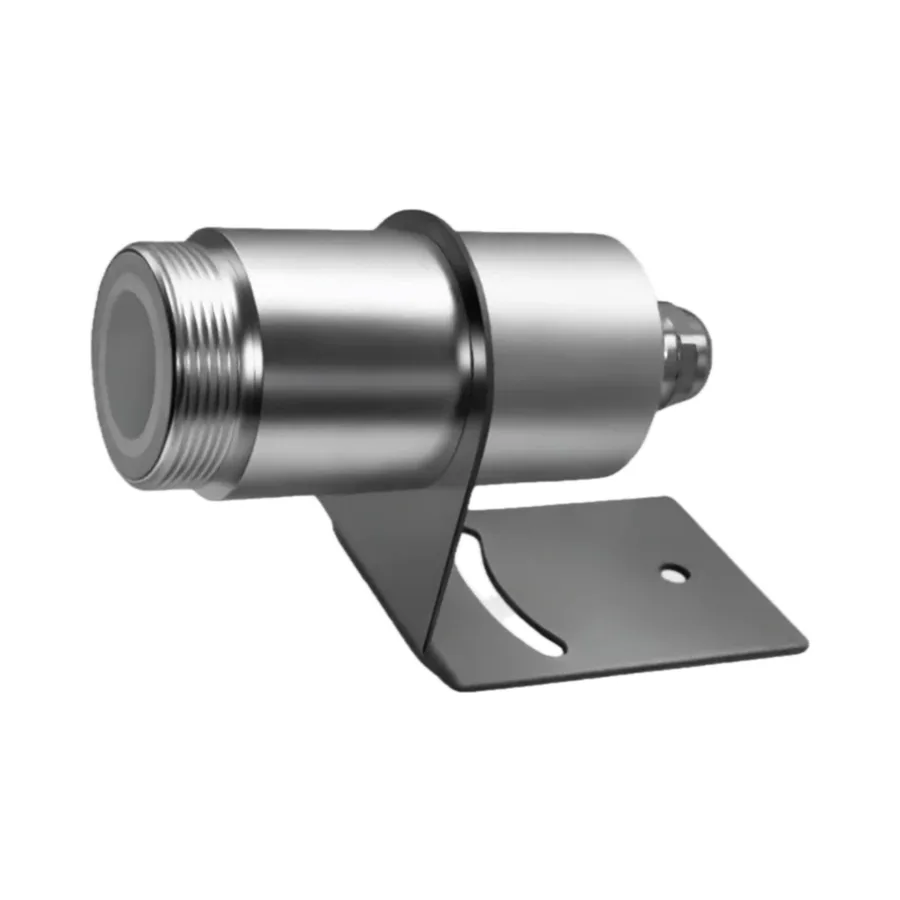
The TVOC-100 is a small indoor air quality sensor. It measures total volatile organic compounds, TVOC for short: the mixed group of carbon-based vapours that evaporate into the air from organic material. The reading is given in parts per billion, from 0 to 60000 ppb with a resolution of 1 ppb.
On a poultry farm these vapours come mainly from manure and litter as they break down, from feed, from the birds, and from the cleaning and disinfection products used between flocks. Many of them are the compounds a person notices as "farm smell". The sensor adds them all into one figure that rises when there is more of this vapour in the air and falls when the air is cleaner, and that figure is what makes it useful as a measure of odour.
Odour is hard to manage because it is hard to describe. One person finds a house strong on a Monday and normal on a Thursday, another has worked in it for years and smells nothing. A TVOC reading replaces those impressions with a line on a chart that can be compared from day to day.
The value is read by comparison. A single TVOC figure says little, because the mix of compounds differs from farm to farm and from season to season. The same sensor in the same place, this week against last week, says a great deal. So does one room against the room next to it, or this flock at four weeks against the previous flock at the same age.
A rising trend usually has a plain cause in the house. Litter has become wet under a drinker line, manure has stayed on the belts longer than planned, the minimum ventilation was turned down during a cold spell, or a store room has been closed for days. The reading points to the day and the hour when the change began, which shortens the search for the reason.
The sensor is made for indoor air that does not condense, and on a poultry farm that describes more places than the bird area alone.
Farms near houses or roads are asked about smell sooner or later. The question often arrives days after the event: there was a strong smell last Tuesday evening, what happened? Without a record the farmer can only answer from memory.
With a sensor running, each reading carries its date and time. The farmer can look up the level on that evening and compare it with the days before. Sometimes the record shows a peak that matches a manure removal or a litter clean-out, and the answer is to plan that work for a different hour or wind direction. Sometimes it shows an ordinary day, and that is worth knowing as well.
Besides TVOC the sensor gives a second value called CO2eq, or equivalent CO2, from 400 to 60000 ppm with a resolution of 1 ppm. This is an air quality index that the sensor calculates from the VOC signal. It expresses the staleness of the air on a scale that people who work with ventilation already know, and it is convenient for comparing rooms.
CO2eq is a calculated value, and it should be read as one. Where the carbon dioxide level of a house has to be measured directly, for example to check minimum ventilation during brooding, a dedicated CO2 detector is the instrument for the job, and the TVOC-100 sits beside it as the odour measurement.
The stated accuracy of the sensor is fine enough for trend work across the whole range: ±1 ppb up to 2008 ppb, ±6 ppb up to 11110 ppb and ±32 ppb up to 60000 ppb for TVOC, with CO2eq from ±1 ppm at the low end to ±31 ppm at the top.
Mount the sensor at the breathing height of the zone you want to know about, with air free to move around it. A position on an open wall or post is better than a corner or the space behind a cabinet, where the air stands still.
Moisture is the main thing to avoid. The sensor must not be exposed to steam, mist or condensation. In a poultry house that means a position well clear of foggers and cooling pads, and out of reach of the wash-down hose. Keep it away from heat sources such as brooders and heater outlets, from cold surfaces and cold air inlets, and from direct sunlight through a window or an open door, because all of these disturb the reading.
The sensor is light on power, drawing less than 0.1 W from a 5-12 V DC supply, and its cable can run up to 1200 m. Several sensors can share one cable run, so a row of rooms or a set of houses can each have a measuring point without separate wiring to each one.
After the power is switched on the sensor needs a warm-up period before its readings should be used. The same applies after a power cut or after the sensor has been unplugged for cleaning. Readings taken in that first period are best ignored when you look back at the chart.
Poultry air is dusty, and dust settles on the air openings of any sensor. Clean the TVOC-100 periodically, more often in a bird area than in an egg room. Before the house is washed between flocks, take the sensor down or cover it, and put it back once the house is dry.
From time to time, compare the reading with a reference: a second sensor of the same type moved in for a day, or a handheld air quality meter held beside it. For a trend instrument the point of the check is consistency. Two sensors in the same air should move together, and a sensor that has stopped following the changes that the nose and the other sensors pick up is due for replacement.
One sensor describes the air of one room. A sensible start is one in each house where odour is a concern and one in the egg room or main service room, placed so that the readings can be compared with each other. Farms that are watched by neighbours often add a point in the building closest to the boundary.
Tell us which rooms you want to follow, whether they are washed down, and how far apart they are. We will suggest the number of sensors, the positions that keep them dry, and the cable layout to connect them.
The TVOC-100 mounts indoors, in non-condensing air, at breathing height for the zone and with free air circulation around it. Keep it away from steam, mist and condensation, which means clear of foggers, cooling pads and wash-down water, and away from heat sources and direct sunlight. It connects to the Genesis controller over RS485 and runs on 5-12 V DC.
It measures total volatile organic compounds, from 0 to 60000 ppb, and that value is used as an odour trend. Compare days and rooms with each other.
It reports CO2eq, an equivalent-CO2 value of 400-60000 ppm calculated from the VOC measurement. For a direct CO2 measurement in a poultry house, use the GF-201-CO2 detector.
Clean it periodically in dusty air and check the reading against a reference from time to time. After power-on, allow a warm-up period before using the readings.
THS-100
GF-201-NH3
NH3-210
Send the number of houses, the birds and what you want to watch. You get a proposed set of sensors per house and a quote, with the datasheets.