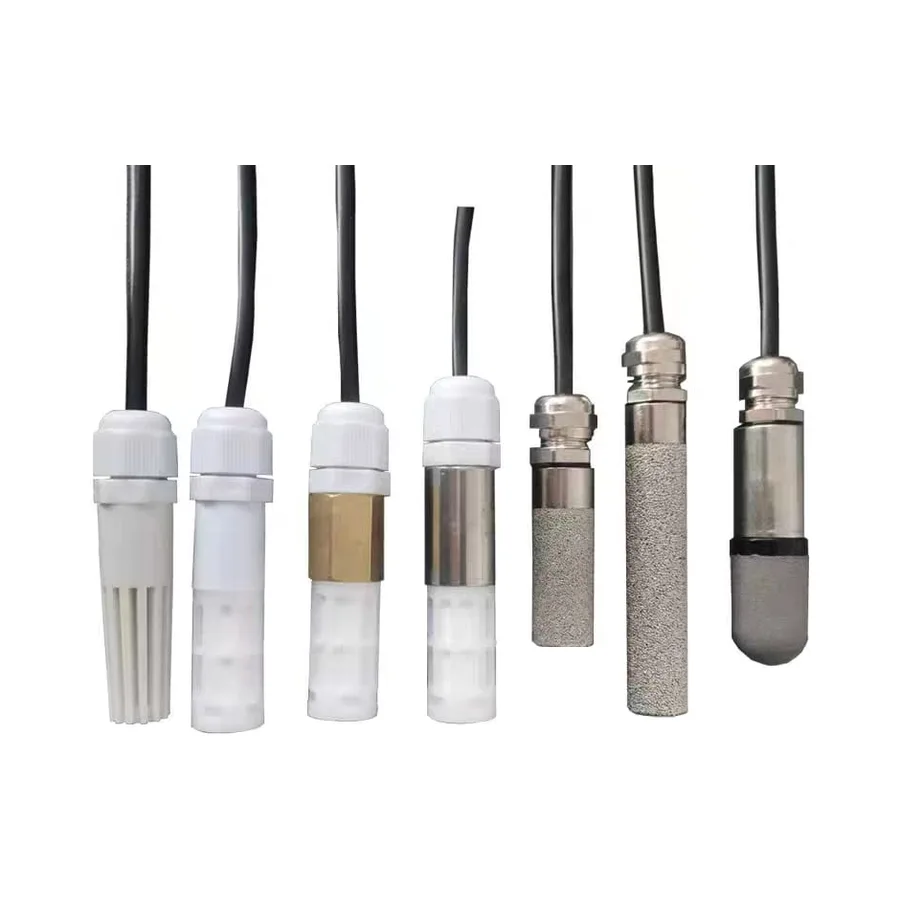
THS-100
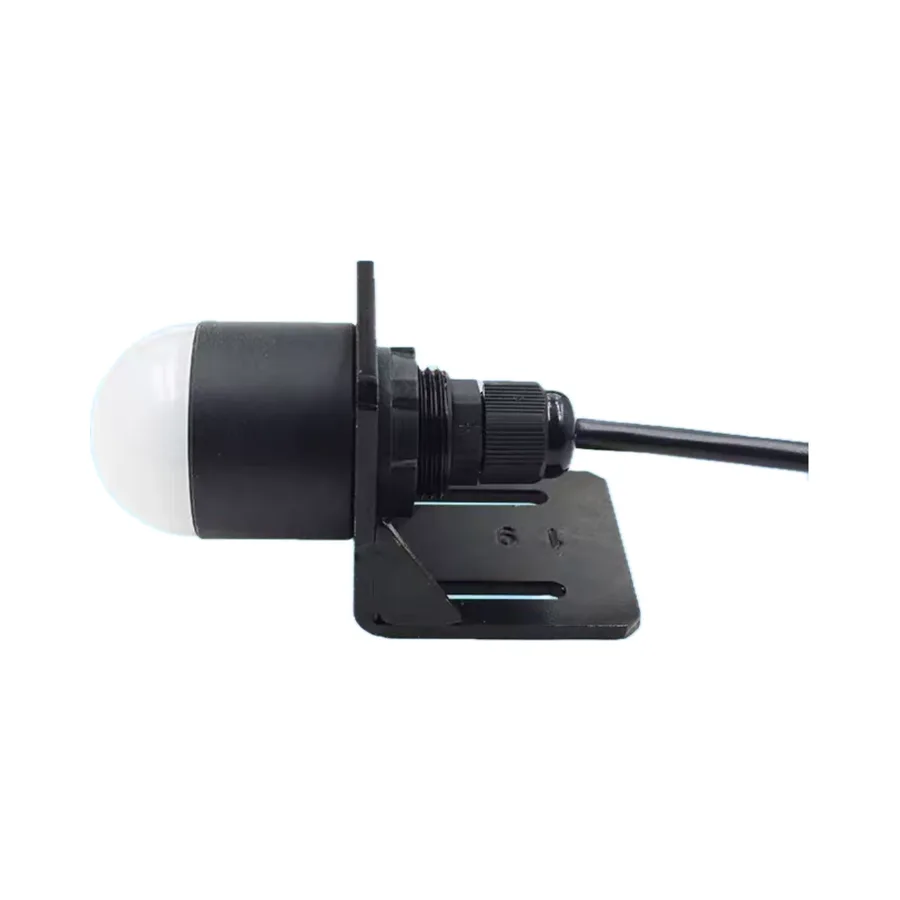
SKU: LUX-200
Light intensity sensor with a diffuser dome that shows whether the house follows its lighting program.
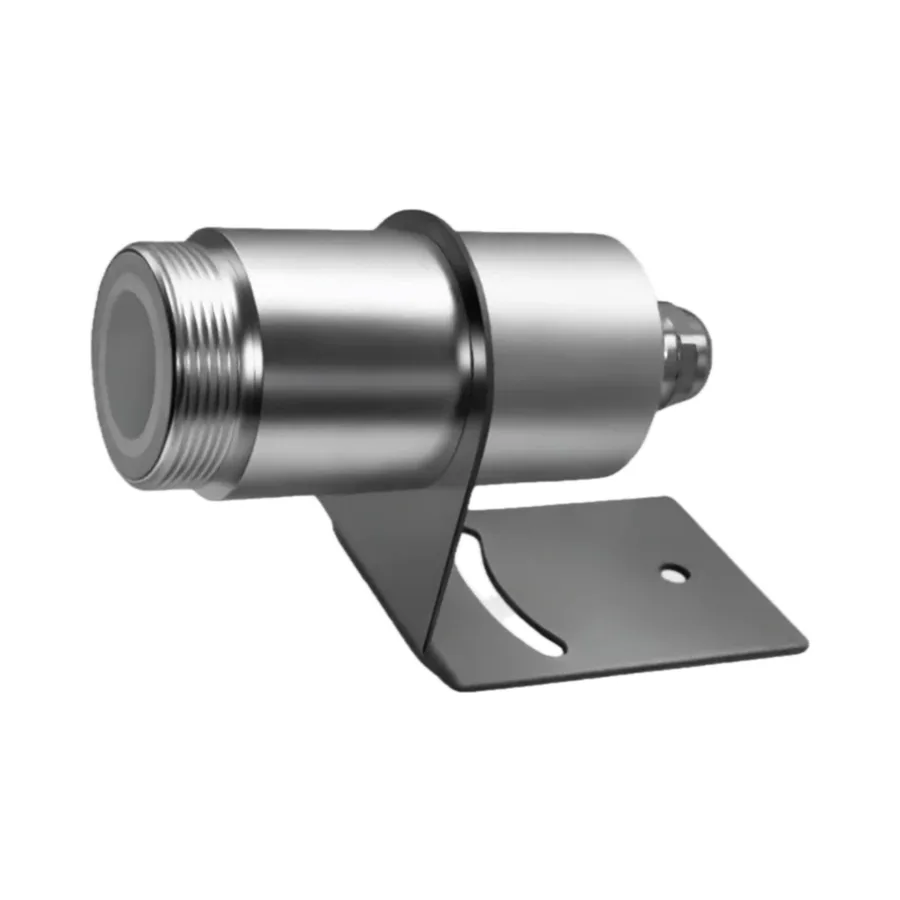
The LUX-200 measures the intensity of the light in a poultry house. It is a sealed body with a diffuser dome on top, a cable gland where the cable enters, and a bracket for mounting. The dome gathers light arriving from different directions and spreads it over the sensing element, so the sensor reads the light falling on that spot from the whole row of lamps above it, much as a bird standing there receives it.
Light is one of the few things in a house that the grower sets on purpose every day and almost never measures. The dimmer shows a percentage and the clock shows a time. What the birds get is decided by the lamps, their age, the dust on them and the daylight that finds its way in. A sensor in the house records the result: how bright it was, and for how many hours.
A pullet comes into lay in response to day length. Rearing programmes hold the day short and the light dim so that the flock matures at the planned age and body weight, and then step the day length up to bring the birds into production together. After that the day is never shortened, because a laying flock that meets a shorter day drops in production. The schedule of hours and intensities for each week of age is in the management guide of the breed.
The programme is run by a time clock and a dimmer, and both fail quietly. A clock that loses its setting after a power cut, a dimmer channel that sticks at full output, or a row of lamps that no longer starts gives the flock a different day from the one on paper. A stockman who visits during working hours sees the lights on and has no reason to doubt the rest.
A sensor in the house records the hour the light came on, the hour it went off and the level in between, for every day of rearing and lay. When a flock comes into lay early, late or unevenly, that record is the first thing the pullet supplier and the adviser will ask for.
Broiler lighting has two sides, the level during the day and the length of the night. EU Council Directive 2007/43/EC sets both for houses in the European Union. During the lighting periods the house must have at least 20 lux, measured at bird eye level and illuminating at least 80% of the usable area. From seven days after placement until three days before slaughter, the lighting must follow a 24-hour rhythm with at least six hours of darkness in total, including one uninterrupted period of at least four hours.
Many integrators and welfare schemes add their own rules on top. All of them come down to the same two questions at an audit: how bright the house was and how long it was dark. A light record for each day of the flock answers both.
Growers also dim the lights on purpose, to calm a flock that is scratching or pecking, and bring them back up later. With a sensor in the house the dimmed level is a known reading that can be set the same way in the next flock.
The light at bird level changes during a flock even when nobody touches the dimmer. Dust settles on lamps and reflectors week after week. Lamps lose output as they age, and replacement lamps rarely match the old ones. Many lamp types do not dim in a straight line, so the same dimmer setting gives different levels in two houses with different lamps.
A fixed sensor shows the drift as a slow fall in the daily level at an unchanged setting. That is the signal to clean the lamps at the next clean-out, or to raise the setting to bring the house back to the programme. A sudden step down on one day points to a failed lamp or a failed circuit near the sensor.
Broiler breeders are reared in light-controlled houses for the same reason as pullets: males and females have to reach sexual maturity together, at the age the breed plan calls for. During rearing the day is short and the night must be dark. Daylight that enters through fan housings, inlets or a worn door seal lengthens the day the birds perceive.
A sensor placed in the part of the house nearest the fans or inlets shows light during the hours that should be dark, and whether it comes with the sunrise or with the start of a fan stage. Leaks of this kind are easy to miss, because a person who walks into a dark house from daylight sees nothing for the first minutes.
Mount the sensor with its bracket where it sees the light the birds see. The dome should face the lamps, with nothing between them: no feeder line, pipe or post that throws a shadow across it during part of the day. Keep it away from the beam of a service light that workers switch on for their rounds, unless that light is what you want recorded.
Light is uneven across a house. It is brightest under a lamp and weakest midway between two rows and along the walls. Choose a position that stands for the area you care about and keep the sensor there, so that one flock can be compared with the next. In cage and aviary houses the tiers receive different light, and the position should match the tier you manage to.
The sealed body and the cable gland keep dust and moisture out of the sensor. The dome still collects dust on the outside, just as the lamps do, and a dusty dome reads low. Wipe it with a soft damp cloth when you walk the house and at every clean-out. Once per flock, hold a handheld lux meter beside the dome and compare the two readings.
One sensor per house is enough to record the hours of light and to follow the level from day to day, which covers the lighting programme of a pullet, layer or broiler flock. A second sensor is worth fitting where part of the house can differ from the rest: the fan end of a light-controlled rearing house, a house with two dimmer zones, or separate male and female pens in a breeder house.
Tell us the type of bird, the lighting system and the layout of the house, and we will suggest the number of sensors and where to put them.
The sensor fixes in the house with its mounting bracket, and the cable enters through a cable gland. It wires to the Genesis controller over RS485 Modbus.
A lighting program calls for a set level and set hours, often dimmed. The sensor shows whether each house is at that level and for how long.
Henlytics sends a phone alert when the reading crosses the limit you set for that house. The alert repeats until it is acknowledged.
It wires to a Genesis controller over RS485 Modbus. The cable enters the sealed body through a cable gland.
THS-100
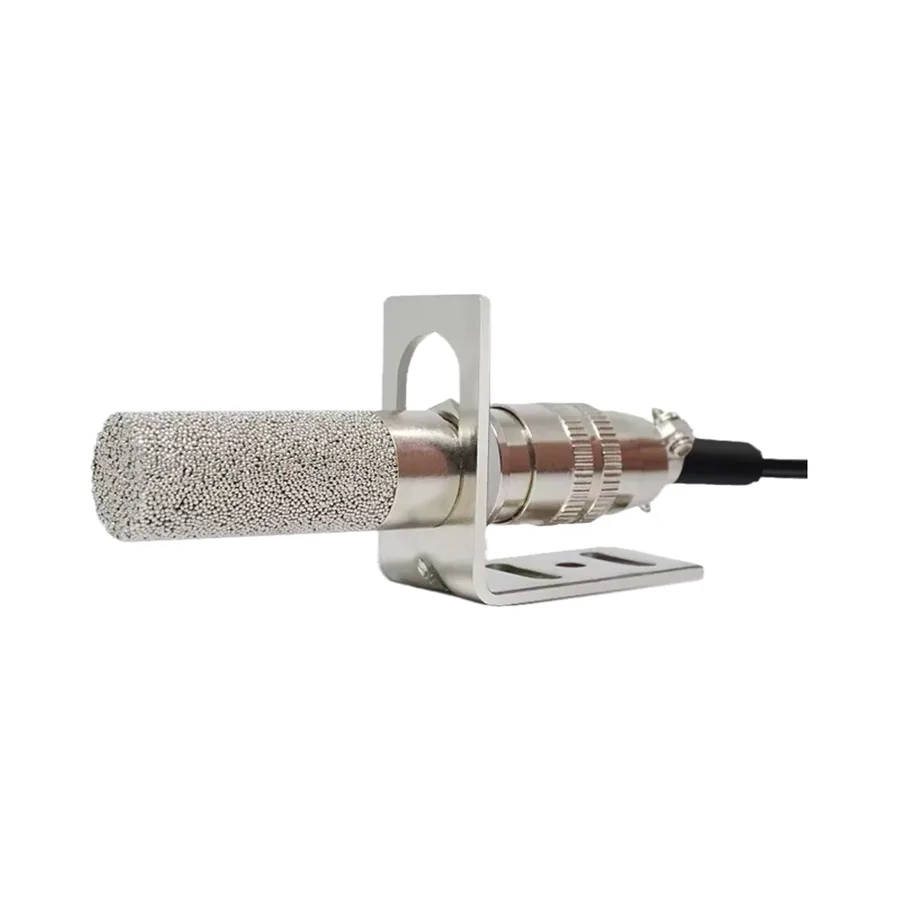
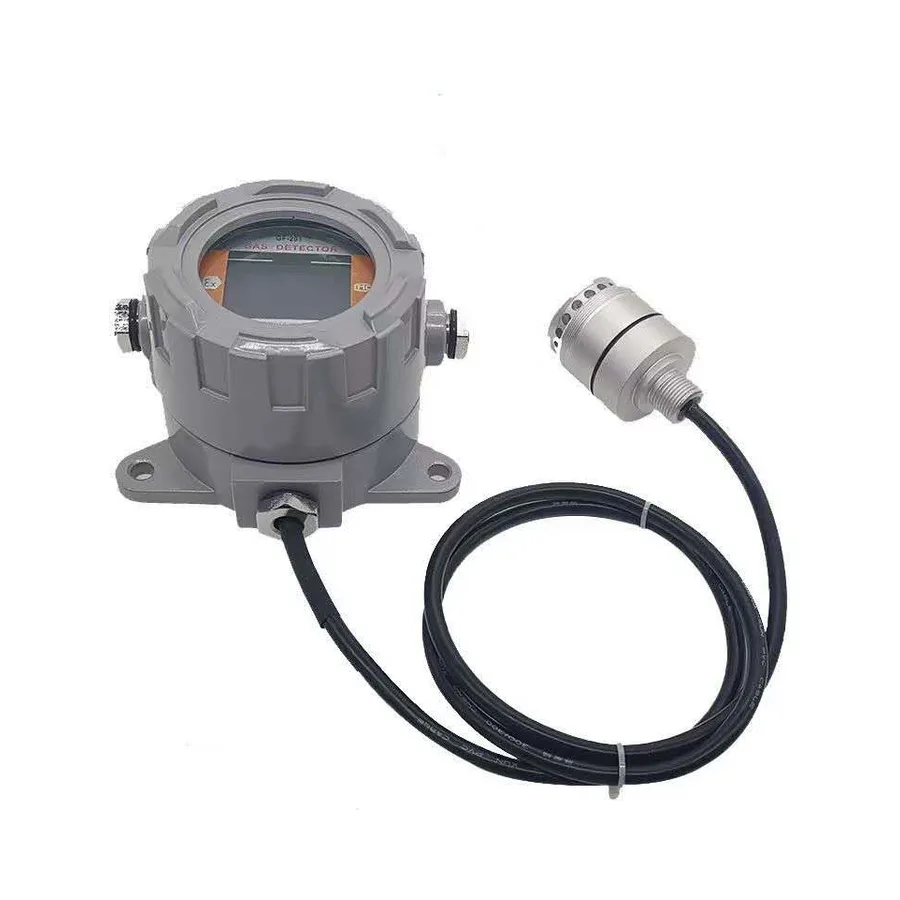
GF-201-NH3
NH3-210
Send the number of houses, the birds and what you want to watch. You get a proposed set of sensors per house and a quote, with the datasheets.