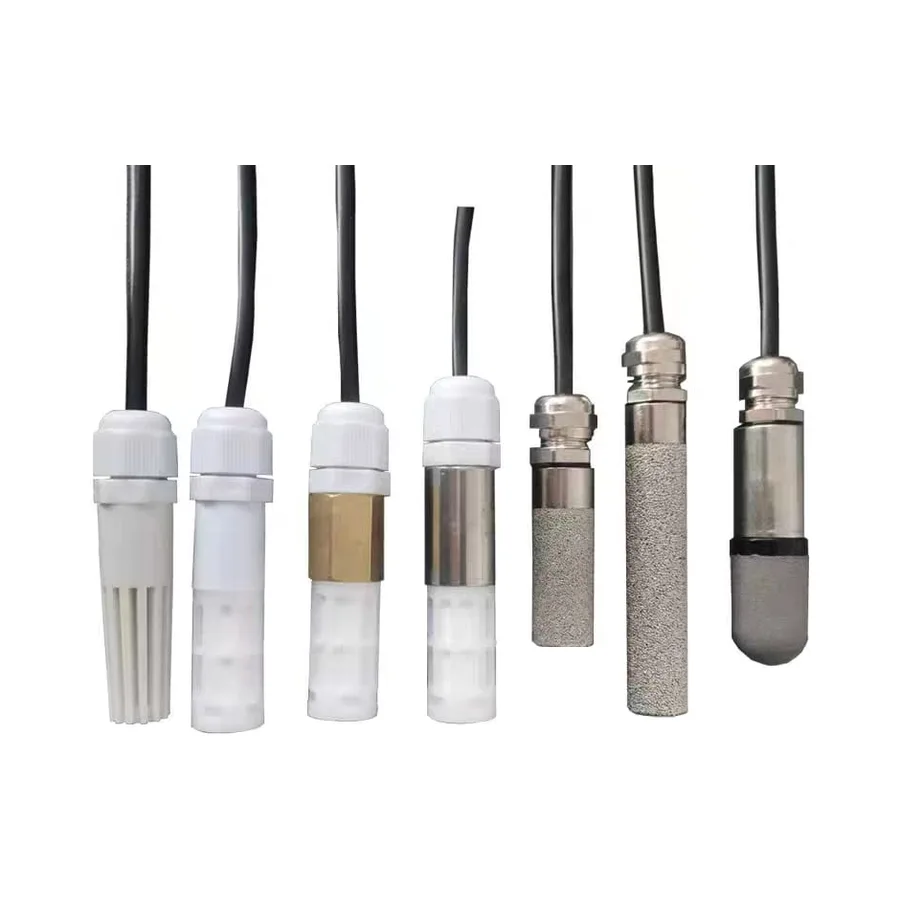
THS-100
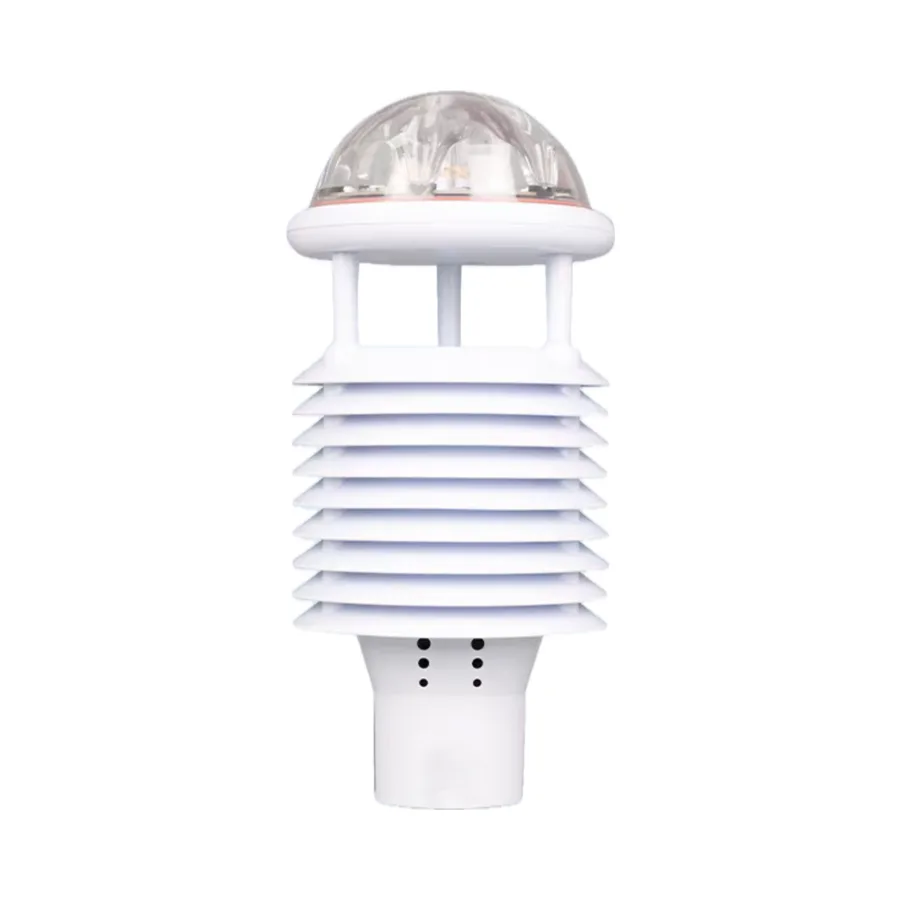
SKU: WS-200
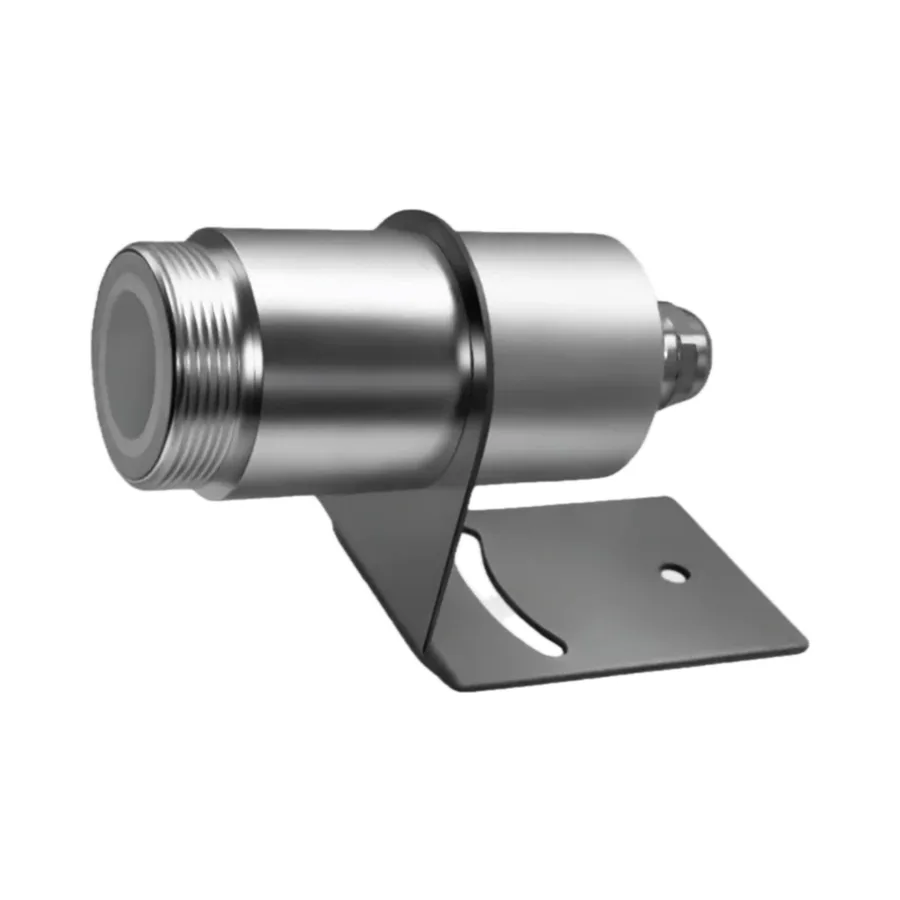
Ultrasonic sensor with no moving parts that measures the air speed in a tunnel-ventilated house.
The WS-200 measures the speed of the air moving through a poultry house. It works with ultrasound and has no moving parts. Small transducers send sound pulses across a short open path. Air moving along the path carries the sound with it, so a pulse travelling with the air arrives sooner than a pulse travelling against it, and the sensor works out the air speed from the difference.
In a tunnel-ventilated house this is the figure that tells the grower what the fans deliver to the birds. The same sensor can be fitted outdoors to measure the wind.
In tunnel mode the side inlets close, the tunnel inlets at one end open, and the large fans at the other end pull air down the full length of the house. The purpose is the wind over the birds. Moving air strips away the layer of warm air held in the feathers and around the body, and a bird in a moving air stream feels cooler than the thermometer reads. Growers call this the wind-chill effect.
The effect depends on speed. Each fan stage adds air speed, and the ventilation programme is built on the speed each stage is expected to give. That expected speed comes from the fan capacity and the cross-section of the house, calculated when the house was designed. What reaches the birds this week, with these belts, these shutters and this cooling pad, is a different matter, and it is settled by measuring.
The speed to aim for depends on bird age, weight and the weather, and the breed management guide gives the targets for each stage of the flock.
The last weeks of a broiler flock are when air speed counts most. The birds are heavy and fully feathered, they produce the most heat they will ever produce, and they fill the floor from wall to wall. If a hot afternoon arrives then, the house runs on all fans, and the margin between a flock that keeps eating and a flock in trouble is the air moving over it.
A sensor in the air stream shows in numbers what a grower otherwise judges by the feel of the wind on the face. It shows whether the last fan stage added the speed it should, and whether the speed held through the afternoon. With a record of each hot day, the grower can compare one house with another and this summer with the last.
Young birds are the opposite case. A draught that relieves a heavy broiler chills a chick, so in the first weeks the reading is used to confirm that the air over the birds stays slow while the house is ventilated for air quality.
A fall in air speed at an unchanged fan stage has a mechanical cause, and most of the causes build up slowly enough to go unnoticed from one day to the next.
A sensor that shows the speed at each stage, day after day, makes these visible as a gradual fall. The grower can then look for the cause on a cool morning, well before the hottest day of the year.
Fit the sensor in the air stream of the tunnel, at bird level or at points along the house. Bird level is where the cooling happens, and air there moves more slowly than higher up, because birds, feeder lines and drinker lines hold it back.
Speed also varies along and across the house. It is uneven near the tunnel inlets, where the air is still turning into the house, and it settles further down. A wide house often has a faster centre and slower side walls. Choose a point that stands for the bulk of the flock, clear of the wake of a feed hopper, a post or a heater, and keep the sensor there so that readings can be compared from flock to flock.
Mounted outside, the WS-200 measures the wind. That reading is useful on any farm, because wind changes how a house ventilates. A strong wind blowing onto the fan end works against the fans, and wind onto the side wall pushes cold air through the inlets in winter.
On farms with curtain-sided or naturally ventilated houses, which are common for breeders and in warm climates, the wind is the ventilation. A record of the wind explains why a house was comfortable one afternoon and stifling the next at the same temperature. Mount the sensor in the open, clear of the roof line and of nearby buildings and trees that shelter it.
A cup or vane anemometer turns on bearings. In a poultry house the bearings fill with dust, down and moisture, the rotor slows, and the instrument starts to read low. A reading that is too low looks just like a fan problem, and the grower cannot tell the two apart without a second instrument.
The WS-200 measures with sound and has no cups, no vane and no bearings to wear. Upkeep is limited to keeping the measuring path open. Brush away dust, cobwebs and feathers from around the transducers when you walk the house, and clean the sensor at clean-out. Once per flock, hold a handheld anemometer beside it with the fans running and compare the two readings.
One sensor at bird level, in the main body of the house, is the starting point for a tunnel-ventilated broiler or breeder house. It follows the speed at each fan stage and shows the slow losses described above. A second sensor near the other end of a long house shows whether air is leaking in along the way, and a sensor outdoors adds the wind for the whole farm.
Send us the length and width of the house, the number of tunnel fans and the type of bird, and we will suggest how many sensors to fit and where to put them.
Fit the sensor in the air stream of the tunnel, at bird level or at points along the house, or outdoors to measure wind. It wires to the Genesis controller over RS485.
Tunnel ventilation cools the birds by moving air over them, so what counts is the air speed at bird level. The sensor shows the speed the fans produce there.
Ultrasonically, with no moving parts. It reports the reading over RS485 Modbus.
Yes, the same sensor measures outdoor wind. It wires to the Genesis controller of the house with the other sensors.
THS-100
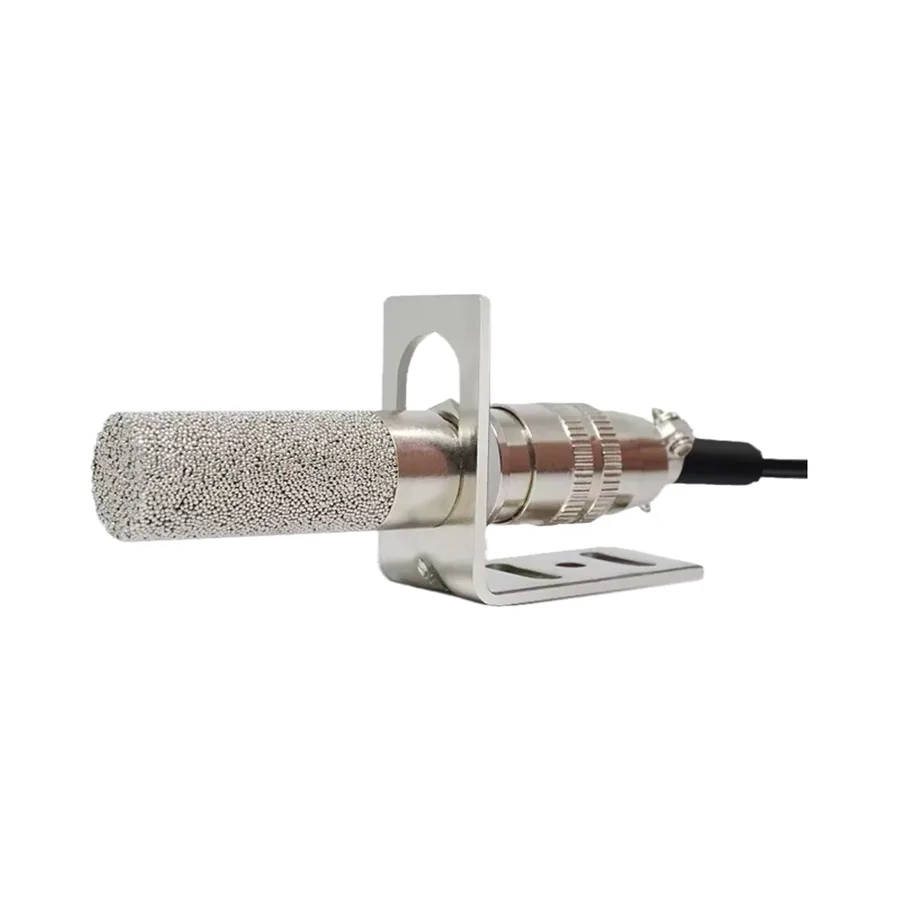
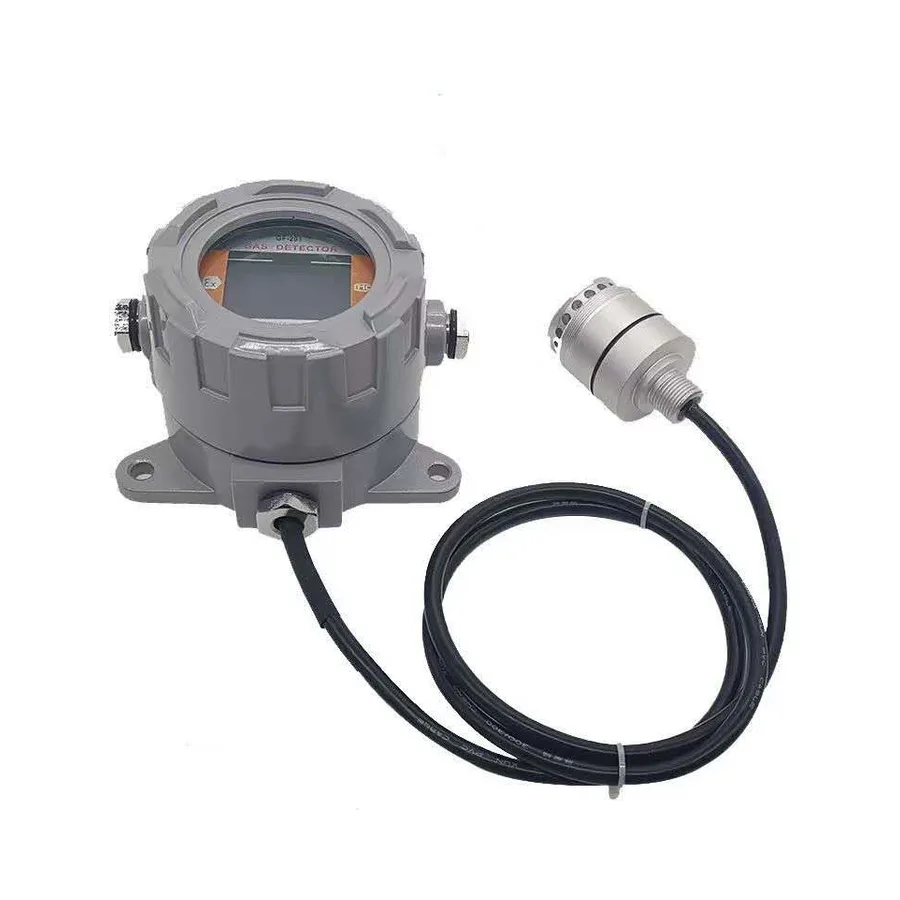
GF-201-NH3
NH3-210
Send the number of houses, the birds and what you want to watch. You get a proposed set of sensors per house and a quote, with the datasheets.